There is a field that leans against the bosom of an old river, at the end of the dirt road, past the Evangelical church, just off the highway to Mazatenango. In January, the winds shift across the field making a mess of the weeds and the opportune blooms that stake claim amongst them. The awns and stems of wild grains splay out in celebratory and fertile configurations. Pollen tips skyward and shimmers in the breeze. Tall grass grows at wild angles and ambushes the sunlight as it falls upon the earth. A luminous mantle hovers above the field. This peculiar layer of light is about the height of a curious child. Each day, there is one precious hour, when the light glows and invites you to sit by the aging river.
Daniela, a curious child, sits by the river most afternoons. Her mother would scold her if she knew. Scorpions, snakes, the lone man. All dangers to a curious child. A girl child. But Daniela likes her hour of solitude. A careful child, she rushes home from school, and listens for the sweet call of the grass. A faint path stretches in front of her, a small artery of trampled weeds cuts through the field. Her bare feet pound the narrow path. Once Daniela is inside the field, her body vibrates in tune with the chorus of insects that perch on the overgrown shoots and stems.
On the bank of the river, Daniela keeps a small metal box nestled amongst the raised roots of a wild cashew tree. The outside of the box is rusty with many rainy seasons come and gone. The clasp is difficult to close. But, miraculously, the inside is dry and dark. Daniela, a cautious child, only allows herself to pry open the lock a few times a year. Things spoil if played with too often. Even the most affectionate touch wears you down over time.
Daniela was the most excited in the family when Blanquita got pregnant. She imagined tiny, energetic Blanquitas bounding after her bicycle, stumbling through the milpa. But after Blanquita gave birth to eight puppies, she was the one who stopped running altogether. The small blind creatures nuzzled and whined at her side day and night. Milk and blood leaked from her rust colored chest. The dirt around her darkened. During the hottest days that month, Daniela placed her head on Blanquita’s ribs. Her breath was so slight Daniela had trouble trusting it. When the puppies were finally strong enough to walk on their own, Blanquita followed at a distance. Her nipples dragged on the dusty ground. Daniela’s mother was never particularly fond of the bitch, but she cried the first time Blanquita staggered across the yard post-birth.
Church bells clang. Time to go home. Time to blow softly on ash-grey coals and heat the grill. Time to char tomatoes, to chop onions, crush chilis, roll limes, and rip cilantro. To mix soya into the bowl of chicken. Her mother is already at the sink. Daniela hugs her from behind, small arms wrapping around her waist. Her mother smiles and passes her the corn flour. They work together, swiftly and silently, their backs to the milpa. Daniela shapes and slaps the tortillas the way she has been taught and places them on the comal. The comal is a wide, black circle of a pan. It is like the night sky and the tortillas baking on its surface are five hand-kneaded moons.
By the time dinner is ready, the sun is nosediving for the corn field. Bright yellow against an incandescent pink sky. Everything is neon. The electric green leaves of the corn plants bend and fold in the wind. From this far, they look soft. But Daniela knows better. When it is time to harvest, she will wear one of her father’s long button-up shirts to keep the coarse, fibrous husks from scratching her skin. Her father’s work shirts are checkered and sun faded. They fit neatly into his work jeans. When no one else is home, Daniela sticks her head in her father’s closet, breathing in his smell. He stayed longer than most men in the village. But for too many seasons, the corn grew so small and brittle, the kernels few and far between like broken teeth. What choice did he have but north?
The radio hums. Her older brother, sweaty and long limbed, grabs tortillas straight from the warm wrapped basket without bothering to sit down first. Her mother bounces Juanito on her lap. Daniela pours water for Juanito and passes him extra tortillas when he asks. At first they don’t notice the telltale beats of the song. Then her mother hears the first lyric, “lloro, por quererte.” She looks like she is about to be sick. It loops again, “lloro por quererte.” She drops her glass. She screams to shut it off. Daniela stumbles towards the radio and slams the off button with such force that it falls off the table. The only sound for the rest of the dinner is the heady buzz of mosquitos.
During the rainy season, the field grows even more lush. A new generation of bugs spawns from the river’s banks. Crickets grow lustrous brown coats and trill in the afternoon heat. Mosquito larvae stop their underwater writhing and begin their terrestrial whining. The tadpoles, barreling downstream, are slowed mid-swim, by the sprouting of arms and legs and the sudden acquisition of tiny, webbed digits. Their croaks provide an earthy baritone for the field choir. In June, it’s loud enough to drown out the bells of the Evangelical church.
Daniela works on her gift for Father’s Day in the privacy of the field. She writes and rewrites a letter. Crumpled drafts pile up next to her along the tree’s roots. The air is heavy and mellow. Daniela rests under the shade of the wild cashew tree. Even half asleep, she clutches the metal box. Her hands envelop the corners protectively. Her hair is plastered to her neck and temples. Beads of sweat dot her upper lip.
She drifts into the slipstream of memory. It is her father’s birthday. Aunties, uncles, cousins, her dad’s compas and their families are spread across the yard. Duck tamales for everyone, her father’s favorite. Her mother spent the morning making them. They are wrapped like small green presents, tucked neatly into baskets on each table. Bottles of orange and brown soda dot the tables. Juanito reaches for a bottle with two hands. It is too heavy to bring to his mouth. He whines. Her aunt laughs.
Her father, the sun, the center of every universe she’s ever known, has his arms around Don Fausto and Sergio. They look like school boys in this conspiratorial posture, they’ve known each other for that long. They’ve worked side by side on the milpa, year by year, even as the harvests got worse. Even when flash floods washed away a whole season’s worth of seeds. Daniela is playing with her cousins when it comes on. That singular beat. Her mother hears it too. Daniela rushes towards her mother. Her father rushes towards them both. “Mis chicas,” he shouts. He lifts Daniela and sandwiches her between him and her mother. “Aaaaay cariño. Aaaaay mi vida.” Round and round they go. The party and the laughter swirl around them. Her father presses his forehead into Daniela’s and they sing to each other: “Nunca, pero nunca, me abandones cariñito.”
Daniela startles awake. A large frog has jumped onto her thigh. It croaks loudly. She flails. The metal box hits the roots of a nearby tree with a thud. It bounces and pops up. She rushes to the box. Its contents scatter amongst the brush and dirt of the tree roots. She spots Manuel’s milk tooth first. It is sleek and canine. Her own tooth is not far away, wide and stubby. Juanito’s tooth, with the subtle chip, is on top of a leaf. She collects them in her hand like small pearls and deposits them in the box. Her mother’s gold necklace is balled up. She untangles it and lets it run like water over her palms. On the inside cover of the box, there is a taped piece of paper. An address in Connecticut is scribbled on it.
Daniela finishes the letter. Juanito is growing quickly. Manu got a job in Caballo Blanco. Blanquita is pregnant again. Mom is so sad. We miss you. The corn is coming in okay this year but the fish in the river keep dying. Last night at sunset, I could have sworn I saw you walking through the milpa towards us.
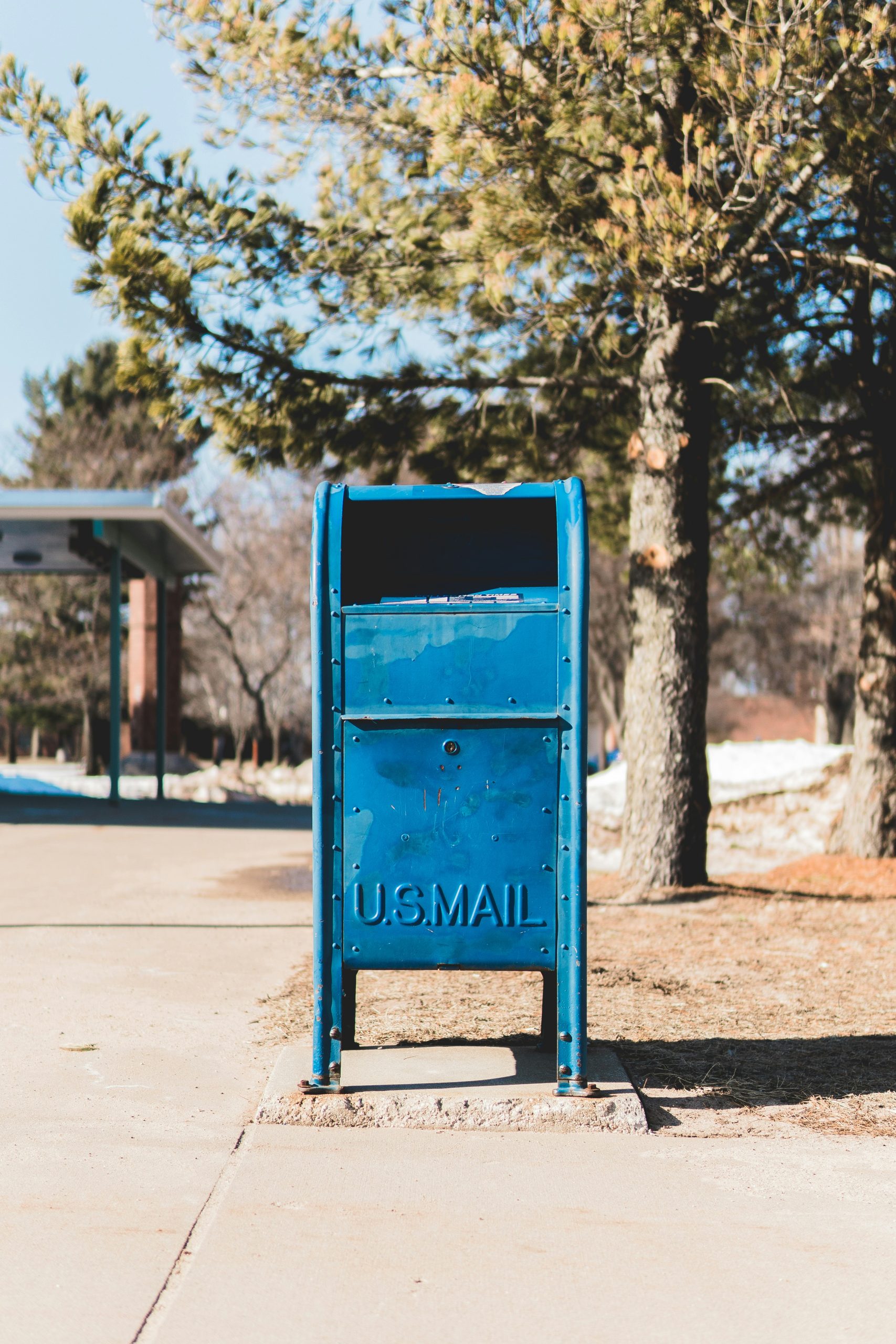
She stuffs the envelope with as many good things from home as can fit, dried cilantro, a thin packet of chili mango. Daniela copies the address from the box carefully. She needs to get it right this time. She’s not sure if the Christmas cards reached him. It seems like they keep moving him. The nice lady from the organization on the internet said she can’t be sure, but she thinks he’s been moved here. Daniela writes neatly on the envelope:
Immigrations and Customs Enforcement ERO Bond Acceptance Facility
450 Main Street, Hartford, CT 06103
***
AUTHOR’S NOTE: This piece was inspired by time Katey spent living in rural Guatemala. She donated her author payment to Vecinos Unidos, a grassroots organization supporting immigrant and mixed-status families in North Texas. Support their work here.