

The office where I arrived for my interview
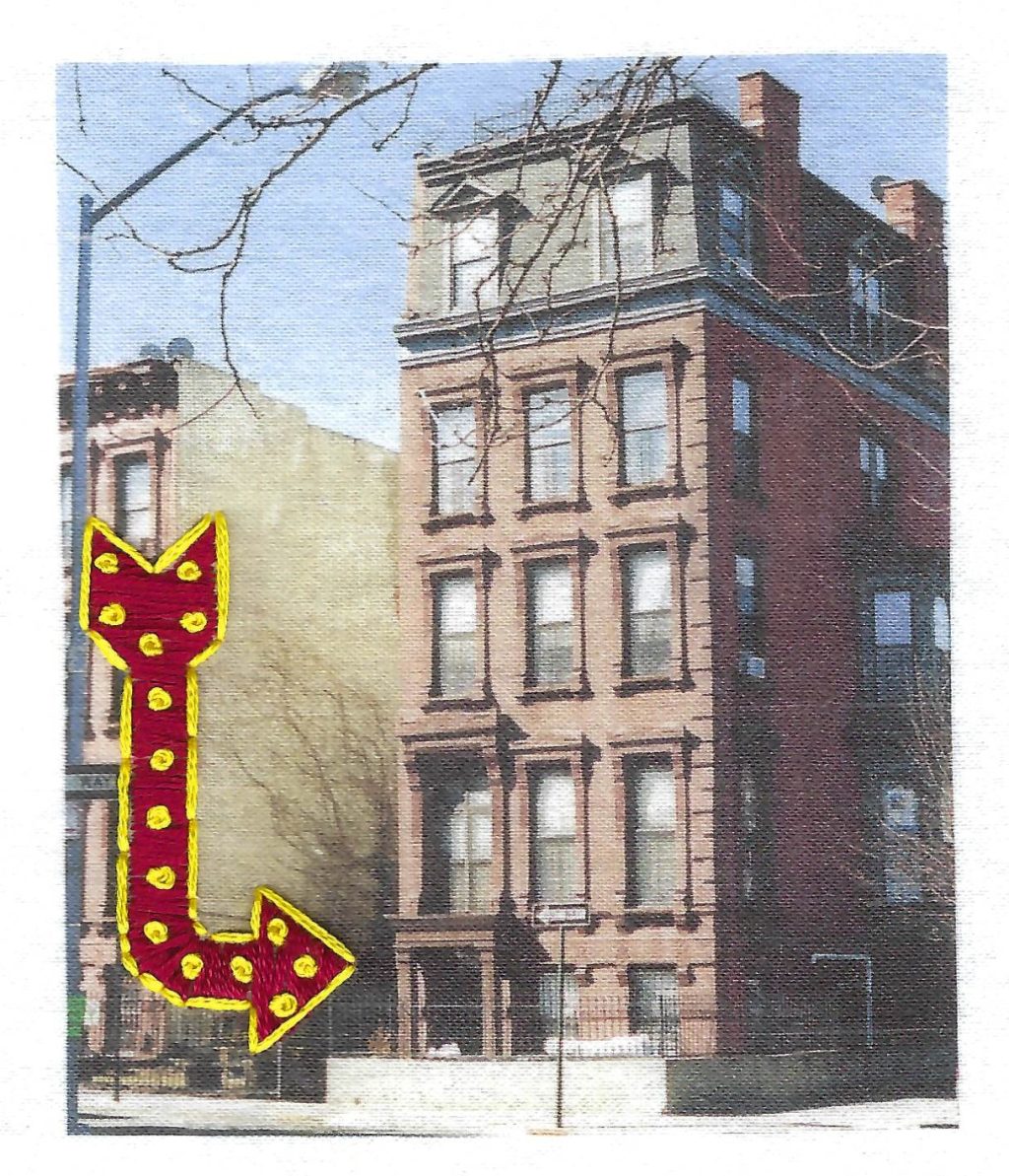
occupied the garden apartment of a brownstone in Manhattan’s Chelsea neighborhood. Down a few
steps from the sidewalk, I entered the dim front
room, where Josephine, the bookkeeper and de
facto receptionist, entered numbers in green-paged
ledger books. She greeted me and called out to Eric
who shook my hand and led me into the light of the
back rooms, open concept before I knew the term
for it.
Eric looked WASP-y, solid and clean-cut in his pastel gray suit and black oxfords. White shelves lined a vast expanse of high-ceilinged wall, and on them sat my customary escape vehicles: rows and rows of books, many of which I’d yet to encounter and which would become mine for the borrowing. As Eric explained the role of the agency, I imagined it as an open adoption agency, where writers brought their creations, and the agency—for a 10% cut—found suitable homes for them. My official résumé included graduation from

an Upper West Side
feminist women’s college, work in the college library, and
research for several nonfiction writers.
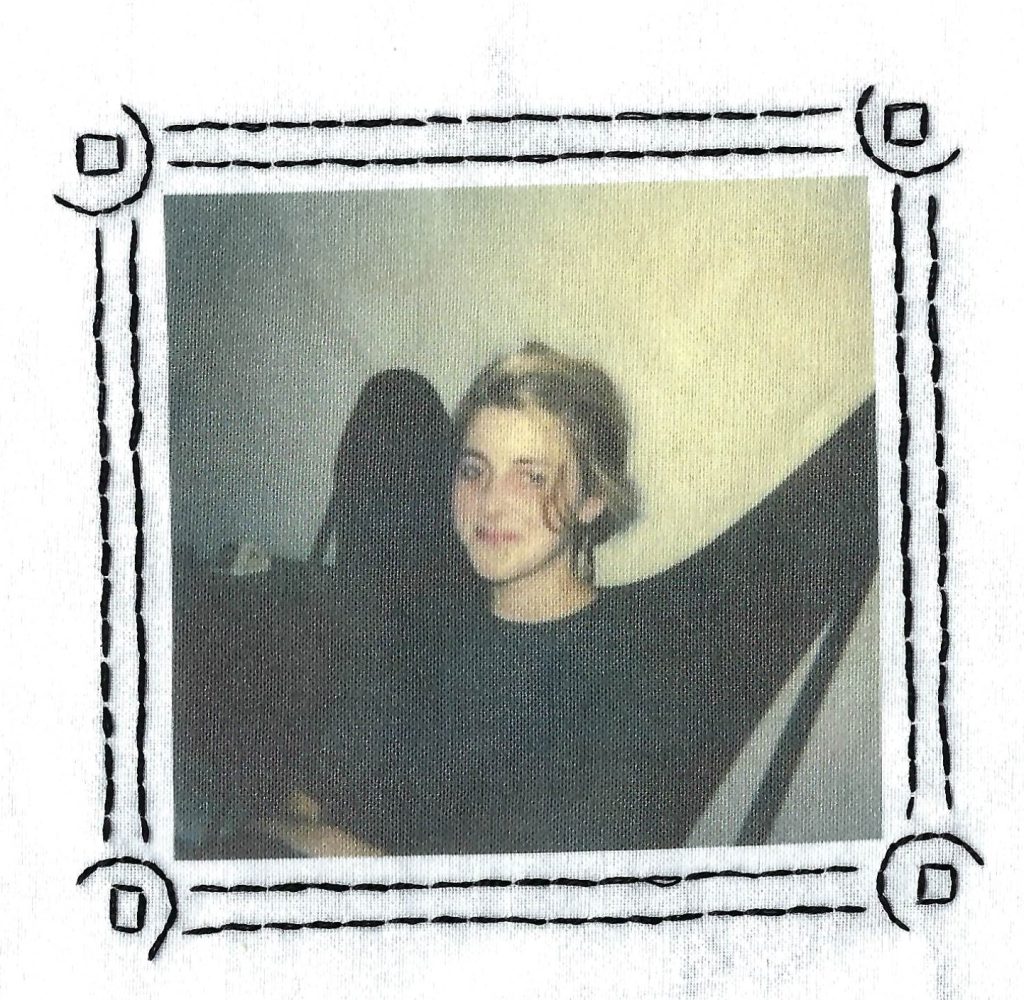
My unofficial résumé included a stint at seventeen as an artist’s model for a sculpture class in which the teacher tried to set me up with his son, at which point I became too modest to shed my clothes in front of a room of strangers. I’d also worked at Berlin, the afterhours club, where people were turned away if

they failed to appear cool enough. At Berlin, I stood in front of the bar selling drink tickets, a workaround because it was illegal to sell alcohol after 2 a.m. One morning, on our way to our after-work breakfast, my co-workers and I passed a cordoned-off area where, shortly after he bought drink tickets and skulked at Berlin, Norman Mailer’s recently paroled
protégé started an argument with a waiter and stabbed him to death. On another night at work, a man put his hands around my neck and squeezed until a nearby friend yanked him off me. I had emotional bruises from
trying to be a hipster.
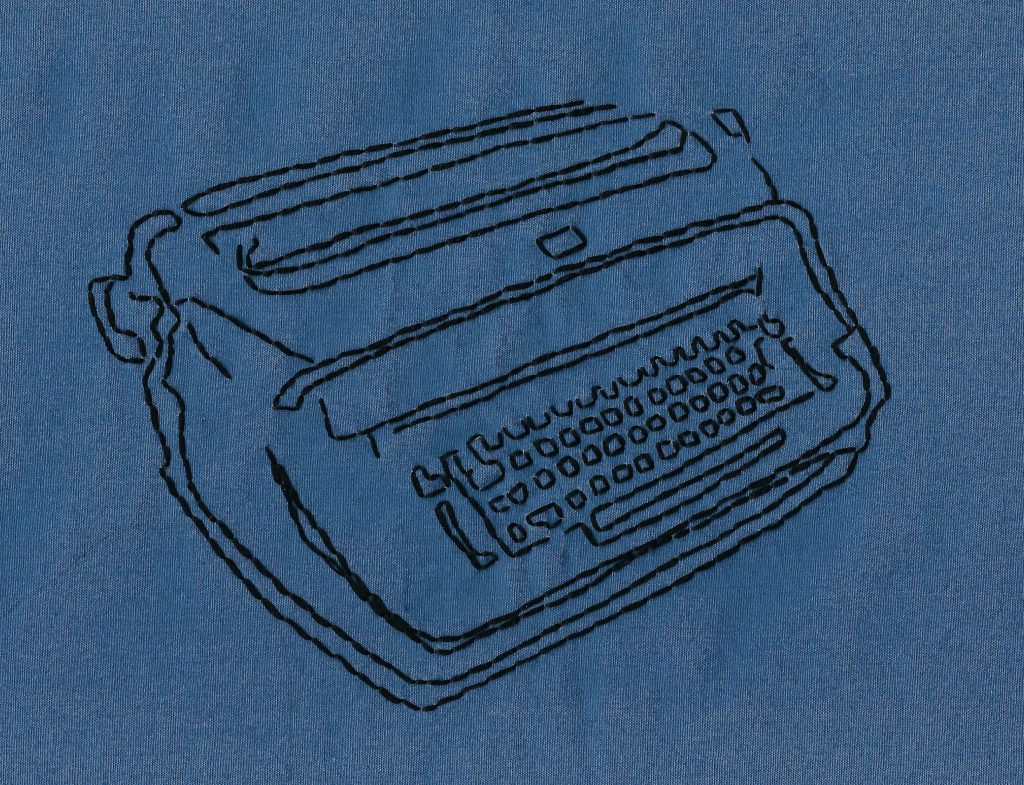
At the literary agency, I answered the phone, typed query letters and contracts on an IBM Selectric (with White-Out for mistakes), and filed. My favorite
part of the job was reading the “slush pile,” unsolicited manuscripts from hopeful writers. I was the agency’s first set of eyes and whatever seemed promising, I passed on for Eric’s approval.
Candida founded the agency; she was a middle-aged powerhouse with a keen
literary eye, taste, and a no-nonsense air. She’d ushered Joseph Heller through the 22
rejections of what was then called “Catch-18” before she found him a publisher. She had
a severe bun, well-made and concealing blocky dresses,

and black heels. Alcohol,
cigarettes, and rich food had
given her a sensitive stomach, but
she still appeared at the office a
few days a week, made calls, and
dropped letters for me to type
over the interior balcony
bordering the upstairs alcove
where she had her desk.

When Eric wasn’t lunching with an editor or author, he and I might share tuna
melts, fries, and a side of cigarettes at a local diner. Walking down the street with Eric
towering next to me, I could drop the no-nonsense brisk pace intended to deflect catcalls
or too-close passersby. Eric, who’d started to call me “Mimi,” seemed comfortable in the
world, able to converse in any setting, and his consistently kind attention served as a fine,
platonic alternative to the love life I’d sought before with too-cool boys. Gradually and
with authentic openness, Eric revealed some of his secret résumé to me. He saw behind
my guardedness and made it safe to go in the sparkling water with him.
When I first started the job, I shared a one-bedroom
apartment with a friend, but the small space
strained our friendship. I hid in the bedroom
while in the living room/kitchen my friend and her boyfriend made love. I resented that the
well-off boyfriend had a loft to himself but spent
so much time at the apartment.
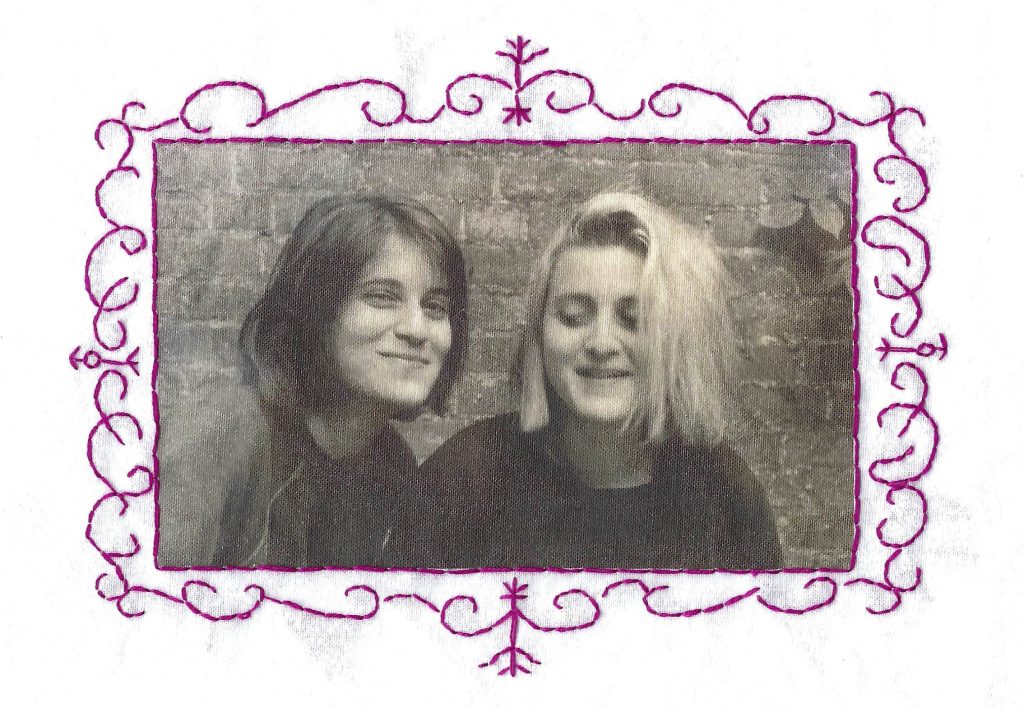
Eric knew I felt crowded at home. He and his boyfriend Rick, an editor with a wry
smile and the kind of voice that would sound appealing reading a grocery list, lived in the
apartment on the top story of the office’s brownstone and let me housesit when they were
away. Candida commuted from Connecticut, but she had an in-town apartment, where
sometimes authors had trysts, to which Eric sneaked me the keys one weekend when I
felt particularly claustrophobic.

At work, I could see and hear Eric for most of the day,
and rather than it being an irritant, the proximity worked as an elixir made of warmth, jokes, and enthusiasm to temper my premature world-weariness. During the two years I worked at the agency, I shared common goals and approximately 4,000 of my freshest
hours with Eric.

One day a writer, who believed in the medicinal power of garlic and whose skin exuded it, paid us a visit. As he chatted with Eric and me, he eyed us and said, “What is it with you two? You’re always looking at each other.” Giving me his brown velvet gaze, Eric nodded.
To celebrate a milestone publication in the path of one writer whom I’d contacted after reading his story in The New Yorker, we booked a dinner at the red-walled restaurant Jezebel in Hell’s Kitchen. The author joined Eric, who had become his agent, Rick, who’d become his editor, and me beneath the patchwork ceiling of Jezebel’s chandeliers as we feasted on shrimp creole and sweet potato pie that transported us to New Orleans.

On another occasion, Eric and Rick brought me to a party where I overheard Mayor Koch say, “How’m I doin’?” We joked that perhaps that’s what the mayor said in the middle of sex.
On a more somber evening, I sat next to Eric in a dark movie theater as we watched “’night, Mother.” We held hands and wept, moved by the heroine’s decline.
A friend let me sublet his apartment when he moved to Los Angeles, and I parted ways with the
cramped apartment and, uneasily, with the friend. I
savored solo living in the new apartment, lying on
the sofa with my cat and the manuscripts I brought home for further perusal.

My scope at the agency grew as I found and submitted the work of more writers. I became a junior agent, while continuing as support staff for Eric and Candida.
Behind Eric’s office and its garden sat the Chelsea Hotel, which I knew as the seedy home of writers from Mark Twain to Dylan Thomas, and where another stabbing death had taken place seven years before, when musician Sid Vicious had allegedly murdered Nancy Spungen in a drug-fueled haze.

Candida, who had spurts of sociability, treated Eric and me to luxurious lunches of shrimp in garlic sauce at the Chelsea Hotel’s restaurant, El Quixote. I had a bottomless shrimp stomach and was jealous that Candida fed her leftover shrimp to our office cat,
Paquito. Paquito once escaped and ran up the scaffolding outside the hotel, where I was dispatched to fetch him. I climbed out a window of the hotel to the rickety scaffolding platform and grabbed him, dirtying my white dress in the process. When I returned to the office grumbling, Josephine reminded me to be more grateful. Josephine had fled Colombia, where drug cartels fought each other and anyone brave enough to try to intervene.
One day I returned to my sub-lease to discover a notice that the tenant, my friend to whom I’d been sending monthly checks, hadn’t paid the rent in months. In my panic, I poured out the story to
Eric and Rick, and they helped me figure out the first steps to righting the situation. Eric taught me to figure out what I could and couldn’t control.


When I found out I’d been admitted to graduate school in another state and might benefit from knowing how to drive, Eric rented a car and gave me my first lesson. I thought that a car worked like a bicycle and that if I pumped the brake
once and stopped, I could take my foot off the pedal. I rolled into the idling car in front of me. Eric calmly requested that I keep the brake
pedal depressed, while a pissed-off woman jumped from the car in front of us and knocked on my window. “I’m so sorry,” I said with a nervous giggle after I rolled down the window. “What’s so funny?”
she said but took off after inspecting her undamaged bumper. I pulled over, and Eric and I doubled over laughing at the close call.
After I left the city for graduate school, Eric was
diagnosed with HIV—devastating news. He already had
an HIV-positive older brother. Eric had moved to another apartment close to the agency, where I visited him once. He and Rick had gone their separate ways, though they were still best friends. Eric seemed gaunt, and I imagined that pastel gray suit that he wore when we worked together would have needed serious tailoring: the
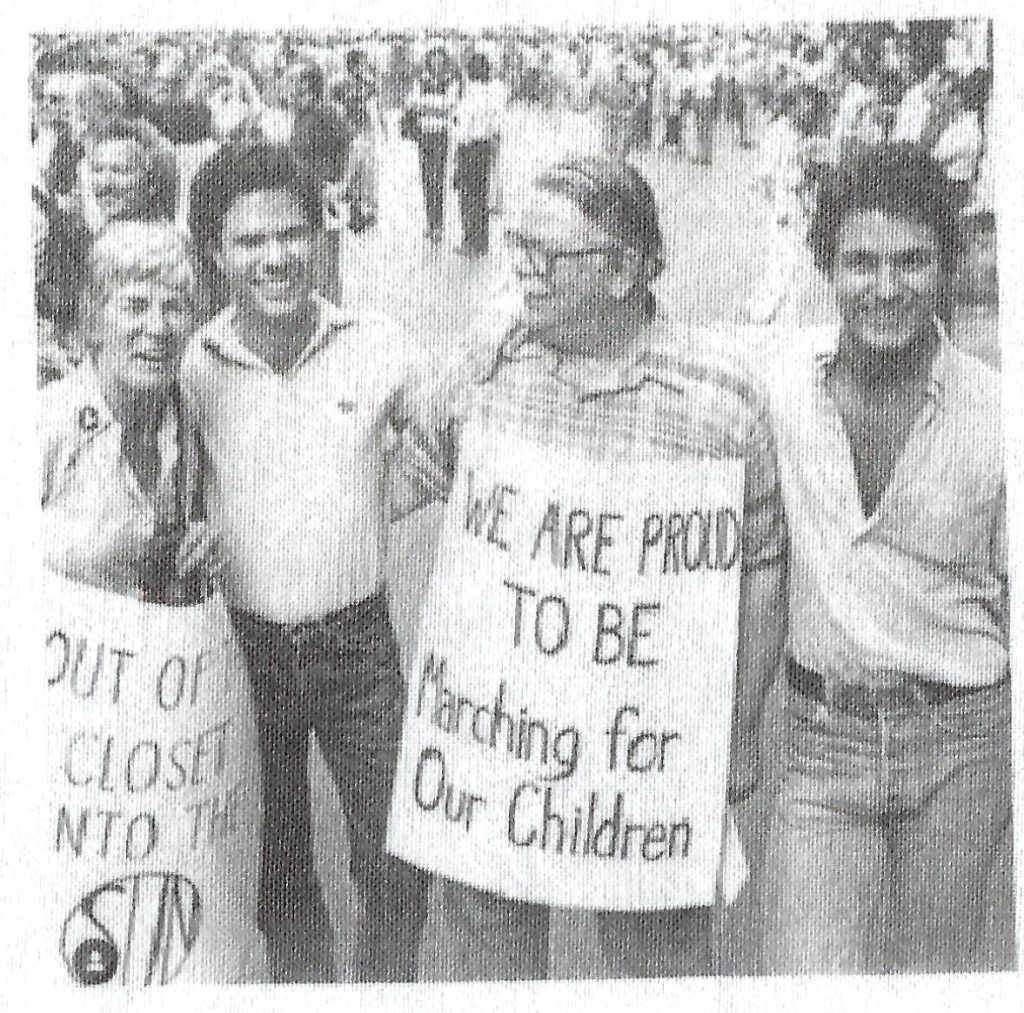
least of his worries. By that time, his brother had died, and the family in which he grew up continued to close ranks. His mother had co-founded Parents of Gays in 1972, which is now called PFLAG.
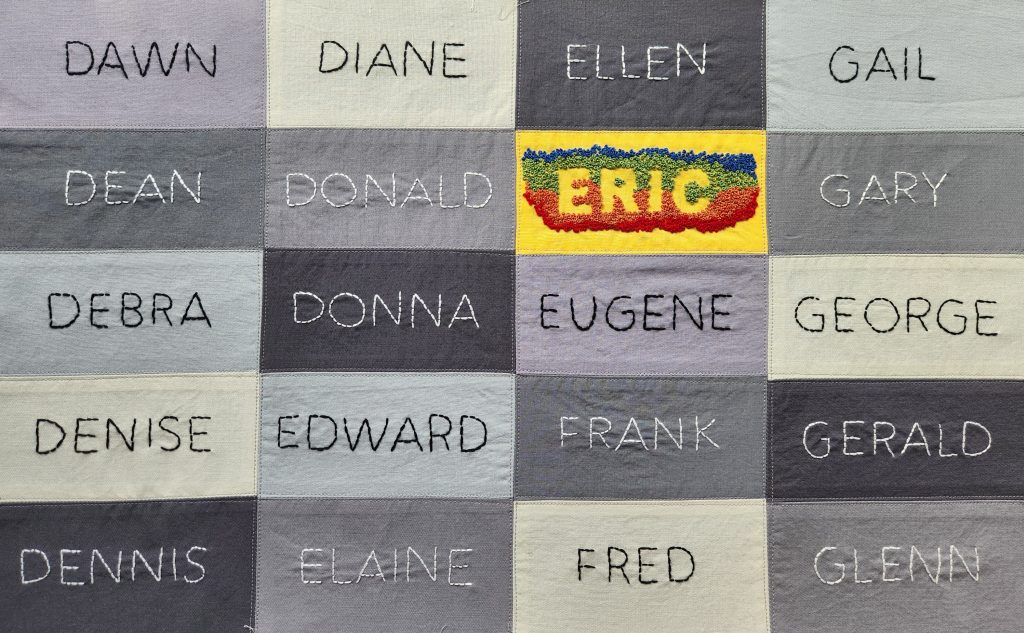
Eric stayed at the agency helping give birth to other people’s books and died at 39, a dozen years after I met him. I know that as he faced his illness, more than one person held his hand and wept with him.
At the agency that represented Mario Puzo’s “The Godfather,” I stumbled upon a godbrother, despite my agnosticism.
In 2018, at home next to a wall of white bookshelves, I was wishing once again that I could sit across a table from Eric and catch up. I casually web surfed the literary agency, which had changed hands over the years, and I found that the agency’s accountant (Josephine’s successor) had embezzled 3.4 million dollars from the agency’s authors. That greed reflected the cruelty that filled the daily news, which I also dwelled on, appalled.
As an antidote, I turned to the Facebook page of Eric’s love Rick, who’s still a mensch, an uncle to Eric’s niece and nephew, a wise editor, and who still wrote words of tribute to Eric. I also
perused the Facebook pages of the friend who’d been my roommate and the friend from whom I’d sublet. I’ve had opportunities to catch up with them, and to enjoy their company almost 40 years after I
met Eric.


Eric once visited a shy woman writer in Georgia who was afraid to wear sandals because she was ashamed of a few hairs she had on her toes. I imagine her wearing gladiator sandals when this generous man ushered her and me out of the slush pile and into his charming shelter, till we were ready for the next chapter of our lives.
After Eric died, I met a man with blue velvet eyes who whipped up a shrimp, lemongrass, and coconut
milk soup on our first night together. Serendipity again, and I married him. We now have Eli, a twenty-one-year-old old soul who’s the age I
was when I met Eric. I hope he finds god siblings along the way. Eric, I’m so grateful for how you showed me how to treat someone like family, whether you’re related by blood or just by mutual understanding and fondness.
***

Illustrations by Lisa Gerber.
Lisa Gerber is an artist who has collaborated with various writers; she is the weaver behind Ithaca Cloth Works (https://www.ithacaclothworks.com/)
Illustrator Notes:
While Miriam was in New York City, I was a middle-schooler in rural upstate New York. My understanding of the HIV/AIDS epidemic was not shaped by people in my life, but rather by the media. I remember the AIDS quilt, Magic Johnson, Keith Haring, the movie Philadelphia, and the release of the drug AZT.
Collaborating with Miriam on this project and creating embroidery to accompany her words during the height of the pandemic brought back these sanitized memories from my sheltered upbringing (while allowing me to stab something repeatedly with a needle and thread…my own form of pandemic self-care). Her descriptions of people conjured portraits based on shoes, and her words invoked thoughts of pill bottles and medications. Eric lived in color, and I knew I wanted to create a quilt to represent him and honor the lives of others lost to HIV/AIDS (the other names in the quilt are some of the most popular boys and girls names from 1957, the year Eric was born). Each illustration here is embroidered cloth. In many cases, images were printed on fabric before they were stitched by hand.