
Interviews
-

The Other Side of Paradise: An Interview with Cleyvis Natera
“Countries with a history born of colonialism understand intimately that the perversion of the power dynamics in the relationships we see in today’s tourist economy isn’t anything new. It’s just a remix of the same old dynamic. As someone who…
-

It’s Hard to be a Person: A Conversation with Jeannie Vanasco
“All of us are searching for answers for something in our lives. I like when someone is coming at the subject from a place of not knowing and I am there with them. I can’t think of anything more intimate…
-

The Perils of Prosthetic Memory : A Conversation with Aiden Arata
I just think that the way that we consume language on the internet has to be super utilitarian because our attention spans are being ripped to shreds at any given time. For me, prose and writing a book that I…
-
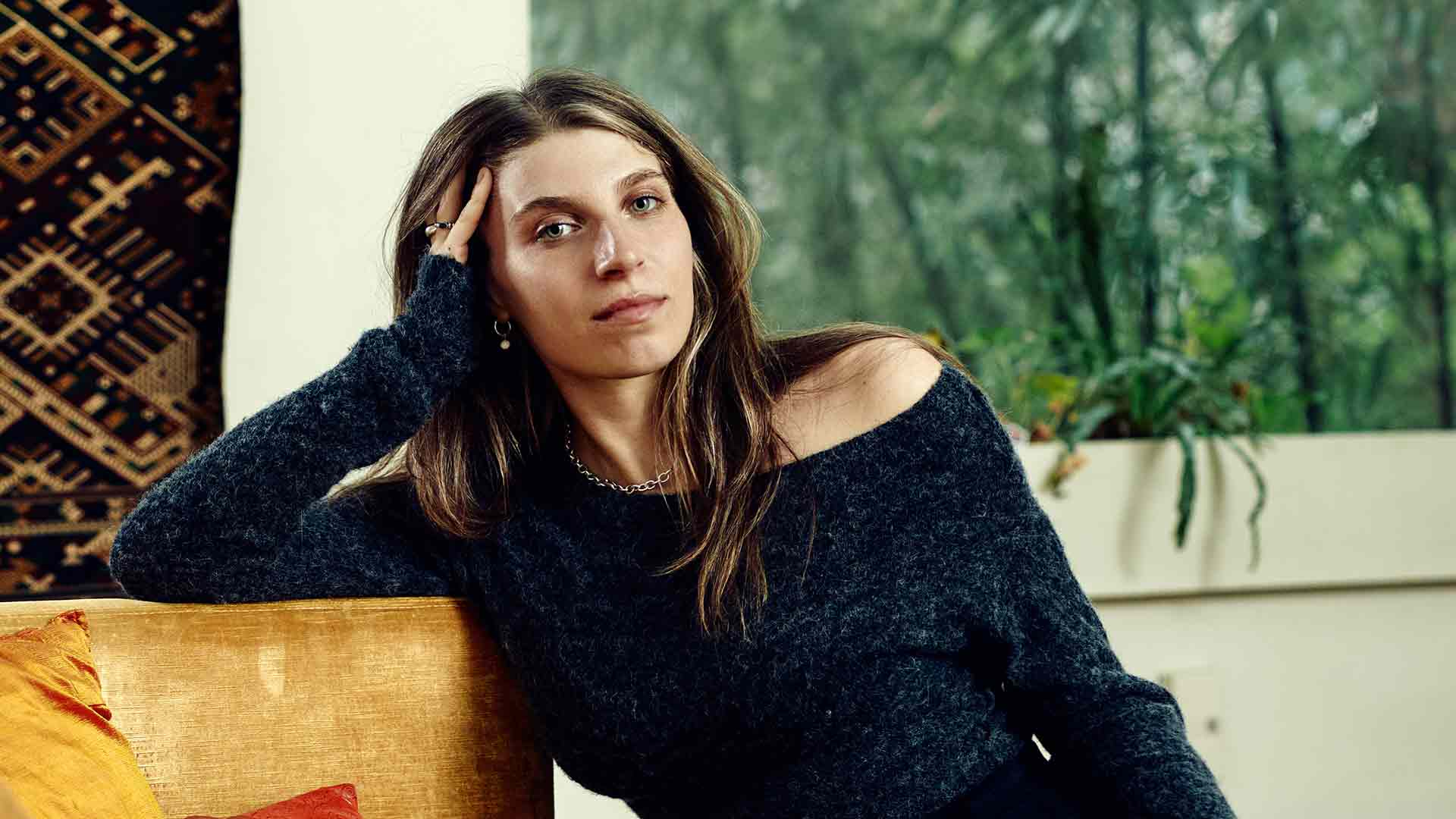
Get Free, Man: A conversation with Zoe Dubno
It can be easy, when you’re young and you don’t know very much, to be a critic out of jealousy. To say, “well, that’s shit, and that’s shit.” To come directly out of being a fan, and then decide to…
-
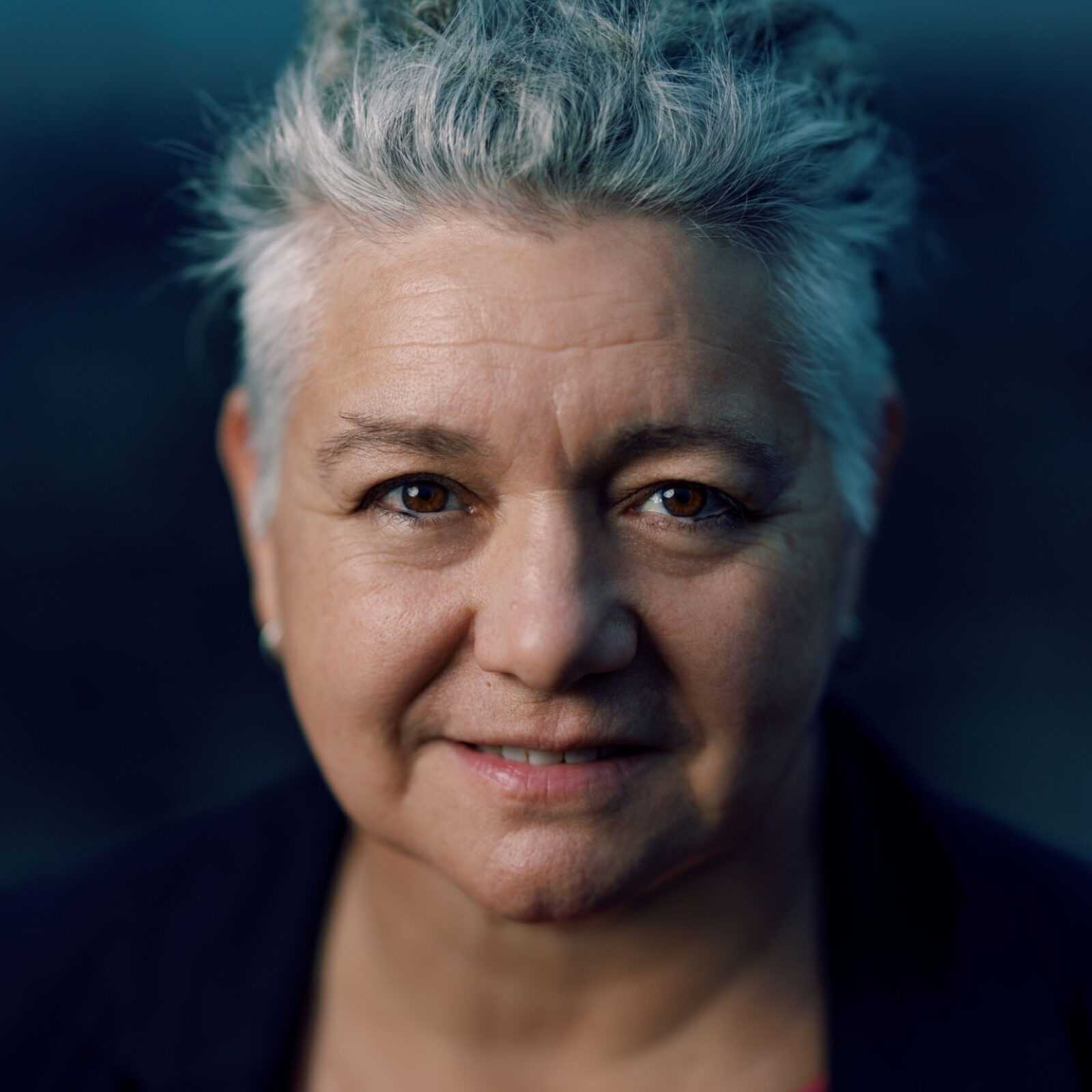
Writing Their Story: A Conversation with Melissa Lucashenko
I do aim to be funny and writers and booksellers tell me that my work usually is. It’s partly to soften the blow, make the hard facts of history palatable. But just as important – if not more important—is the…
-

Risk, Transgression and the Loyalty to Art: A Conversation with Sally Mann
“I’m still taking the picture of the road going over the hill, and when I see the road going over the hill, I screech to a stop and take it. The burden is to figure out the new way to…
-
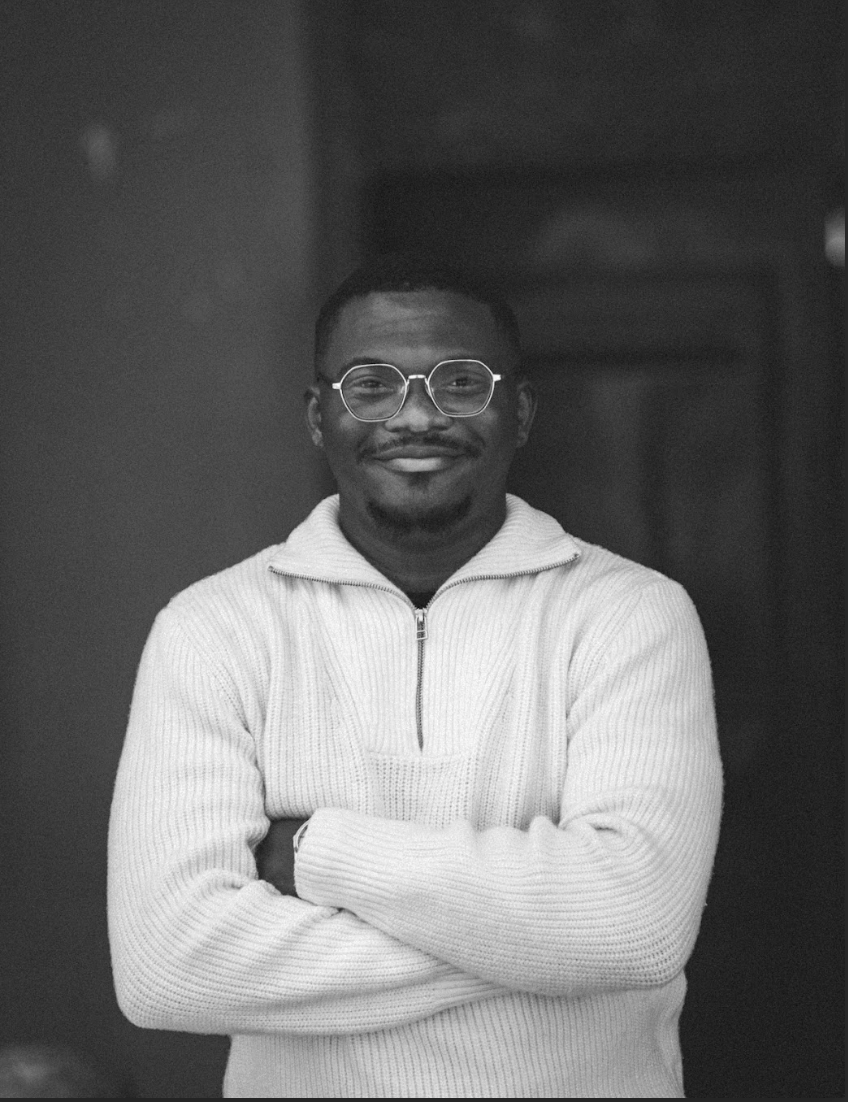
A Poem Invites You, Warns You, and Then Confounds You: A Conversation with Adedayo Agarau
In The Years of Blood, though, I think what is critical is the multiple selves that exist in the collection. The I resists a single voice—sometimes dead, other times, alive and in fear—and I think that, that is fascinating to…
-
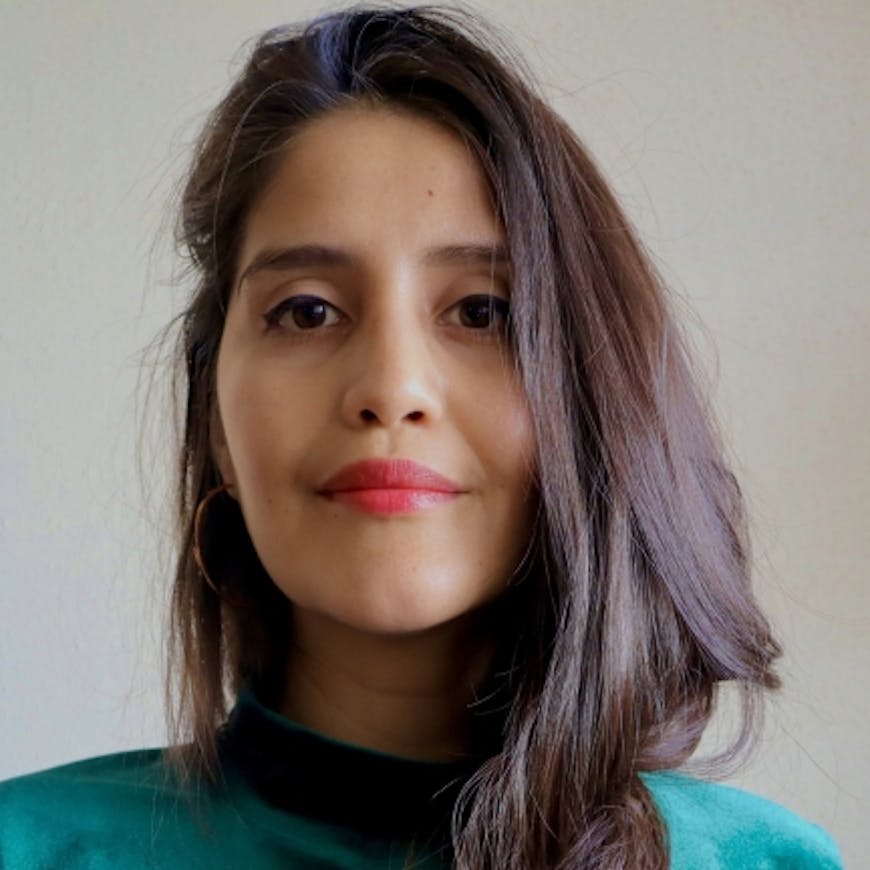
Permanent Knots and Anti-Colonial Archives: A Conversation with Daniela Catrileo
When Chilco appeared in my life, I didn’t know it was going to be a novel. I told my friends I thought I was writing a poem that had just gone on too long, a poem in free prose that…
-
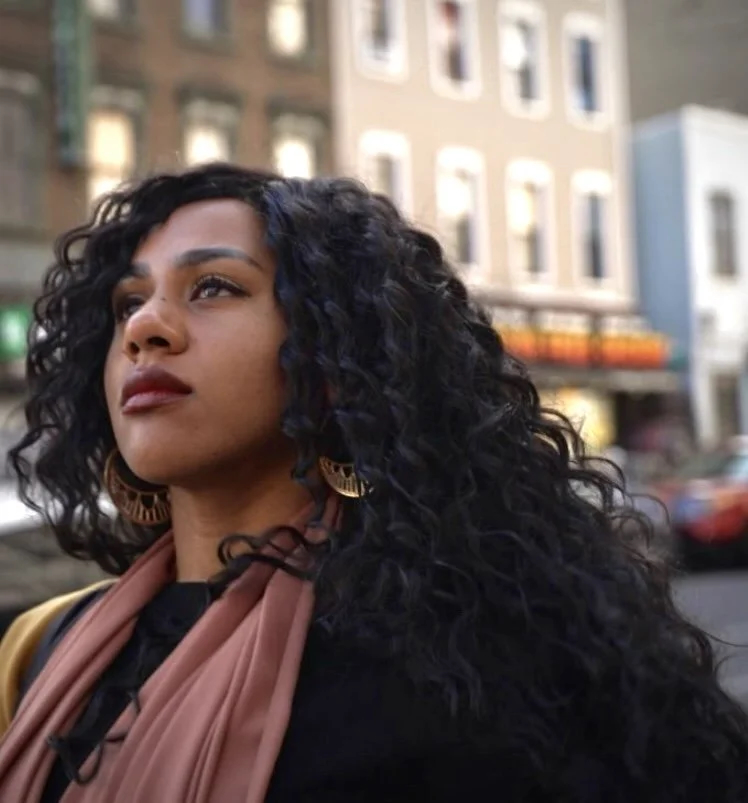
The End is the Place We Begin: A Conversation with Marissa Davis
I remember, too, reading some time ago someone describe Black Americans as being part of a post-apocalyptic culture. We’ve survived the worst: the belly of the slave ship; the tortures wrought upon generation after generation of our ancestors for centuries.…
-
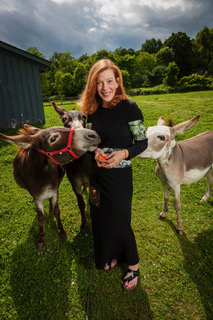
JOYRIDE: A Conversation with Susan Orlean
Taking stock of her own life, she writes about what hurt, what thrilled, and what shaped her. The result is a rare behind-the-curtain view of the golden age of journalism, interwoven with glimpses of Orlean’s childhood, her evolution as a…
-

Joining the World: A Conversation with Patricia Lockwood
“A lot of pandemic novels were about a place where everyone could get away from it and not directly have to deal. I totally understand that, but as a person who was writing about it from the very beginning, probably…
-

Avenging Aaliyah and the Non-Event of Dead Girls: A Conversation with m. mick powell
“ I’ve been saying that I wrote this book to avenge her [Aaliyah]. In my mind, even in childhood, I was like, “I have to do something, whatever I can do with whatever power I have.” It just happens that…