
Interviews
-
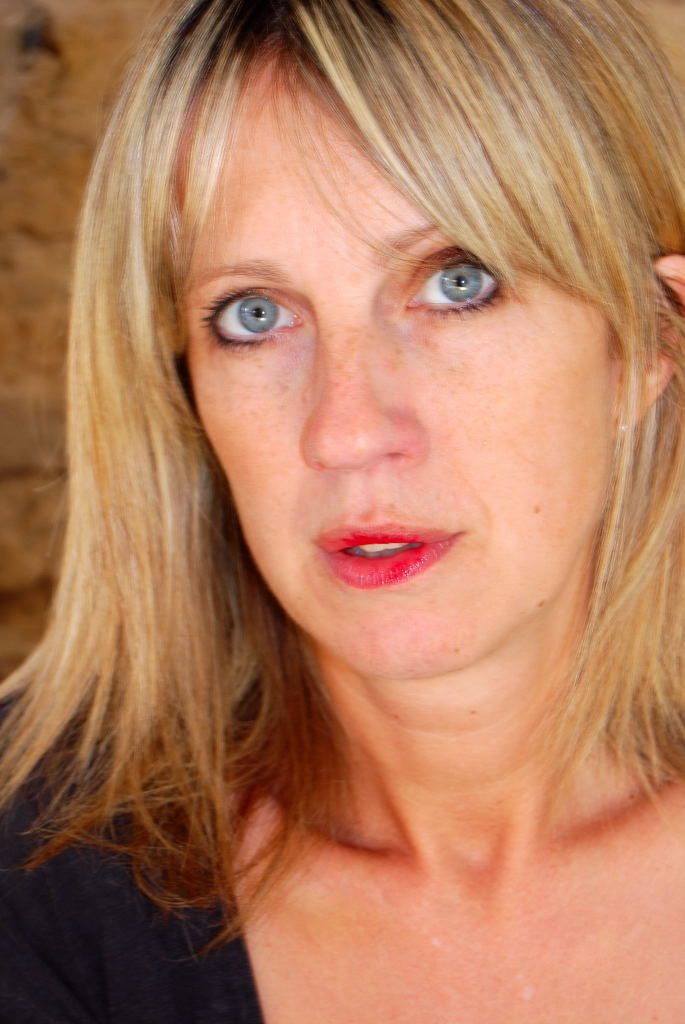
Mother, Wife, Writer, Daughter: A Conversation with Julie Myerson
“When we love people, we stand to lose so much, don’t we? It’s one of the best things to write about.”
-
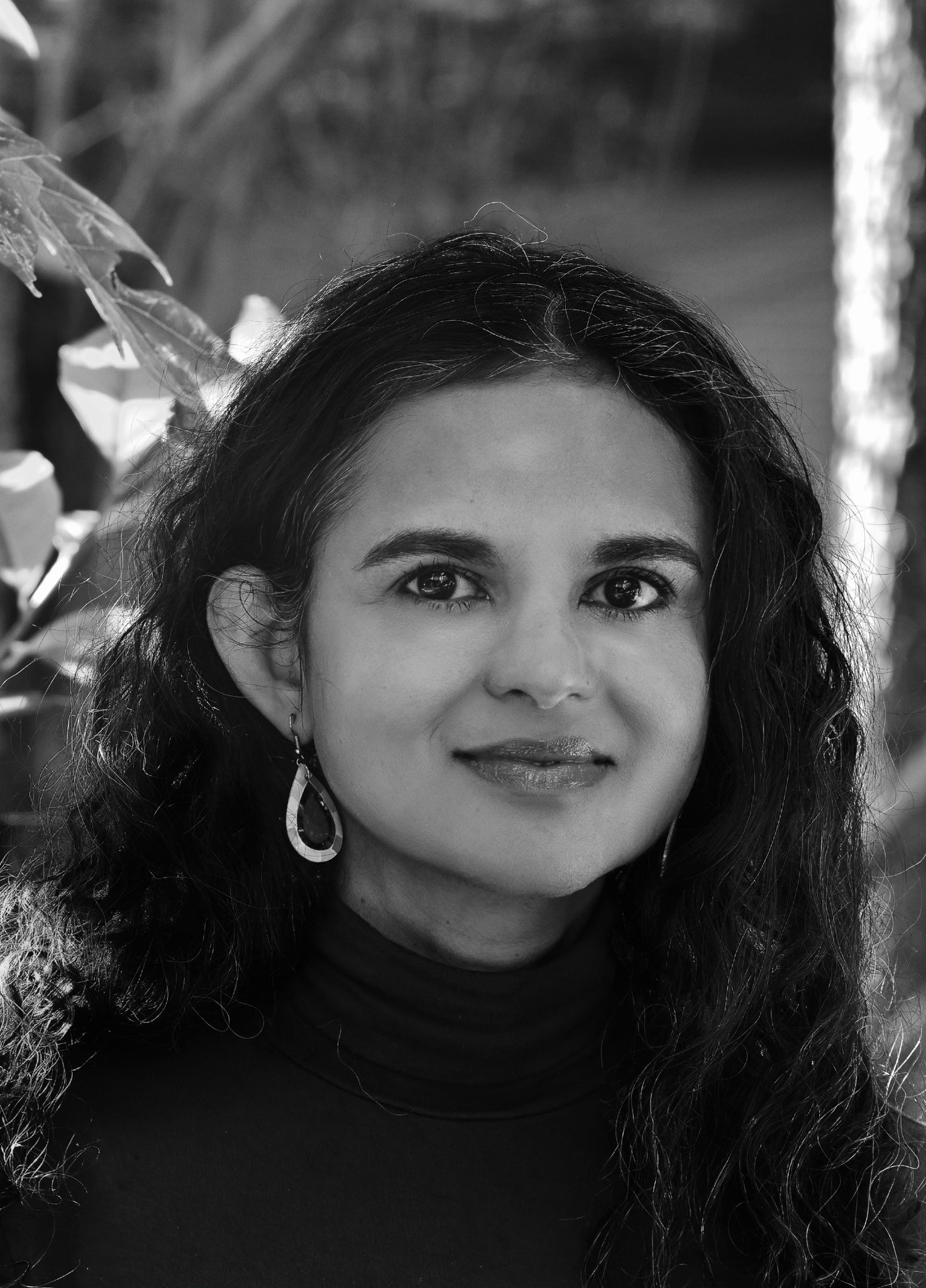
Longing for Home: A Conversation with Gemini Wahhaj
The diaspora is not just a longing for home but is also really complicated and beautiful and painful, this mysterious experience abroad.
-
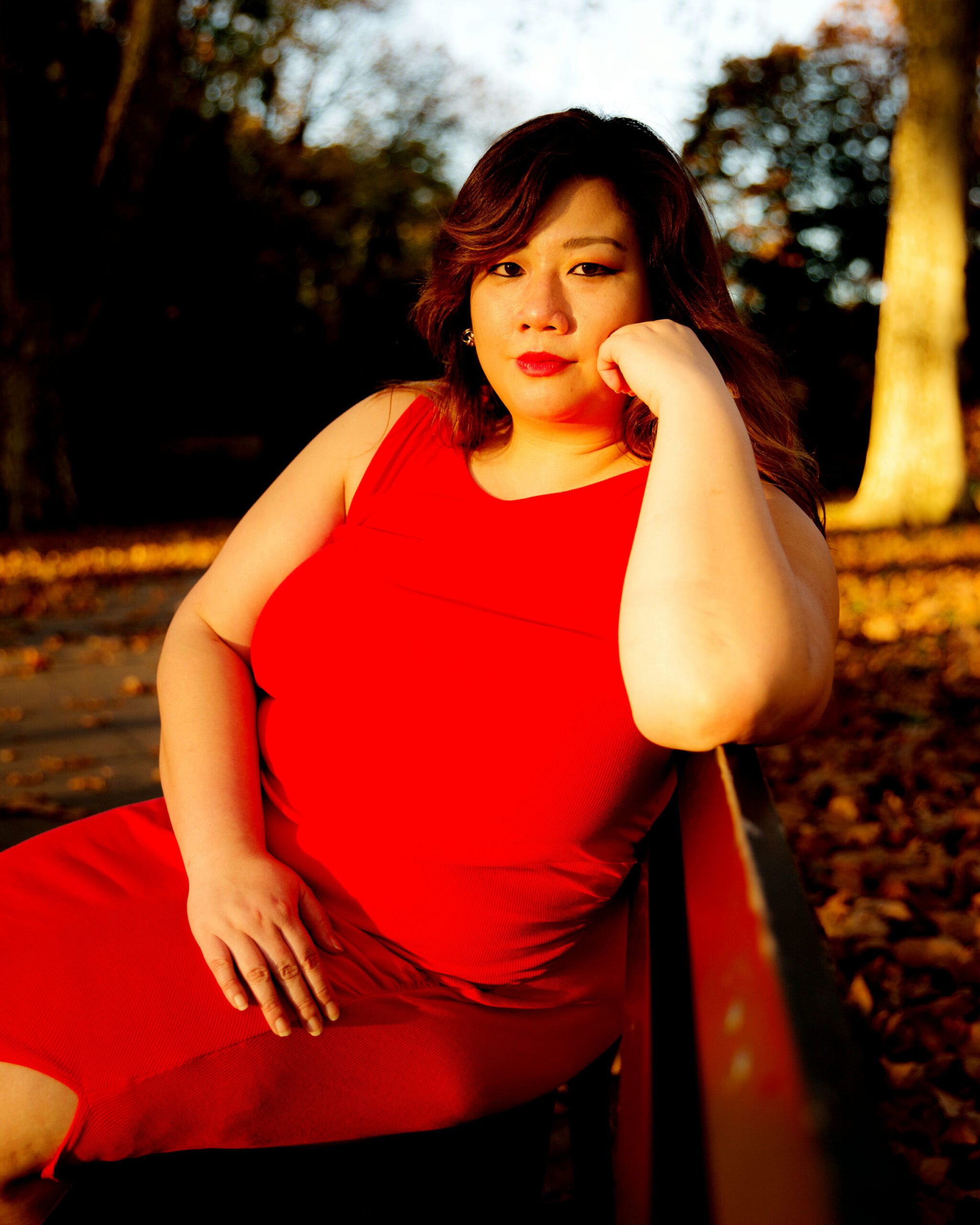
The First Book: Vanessa Chan
Ambition and achievement are great, but gratitude is the true source of joy.
-
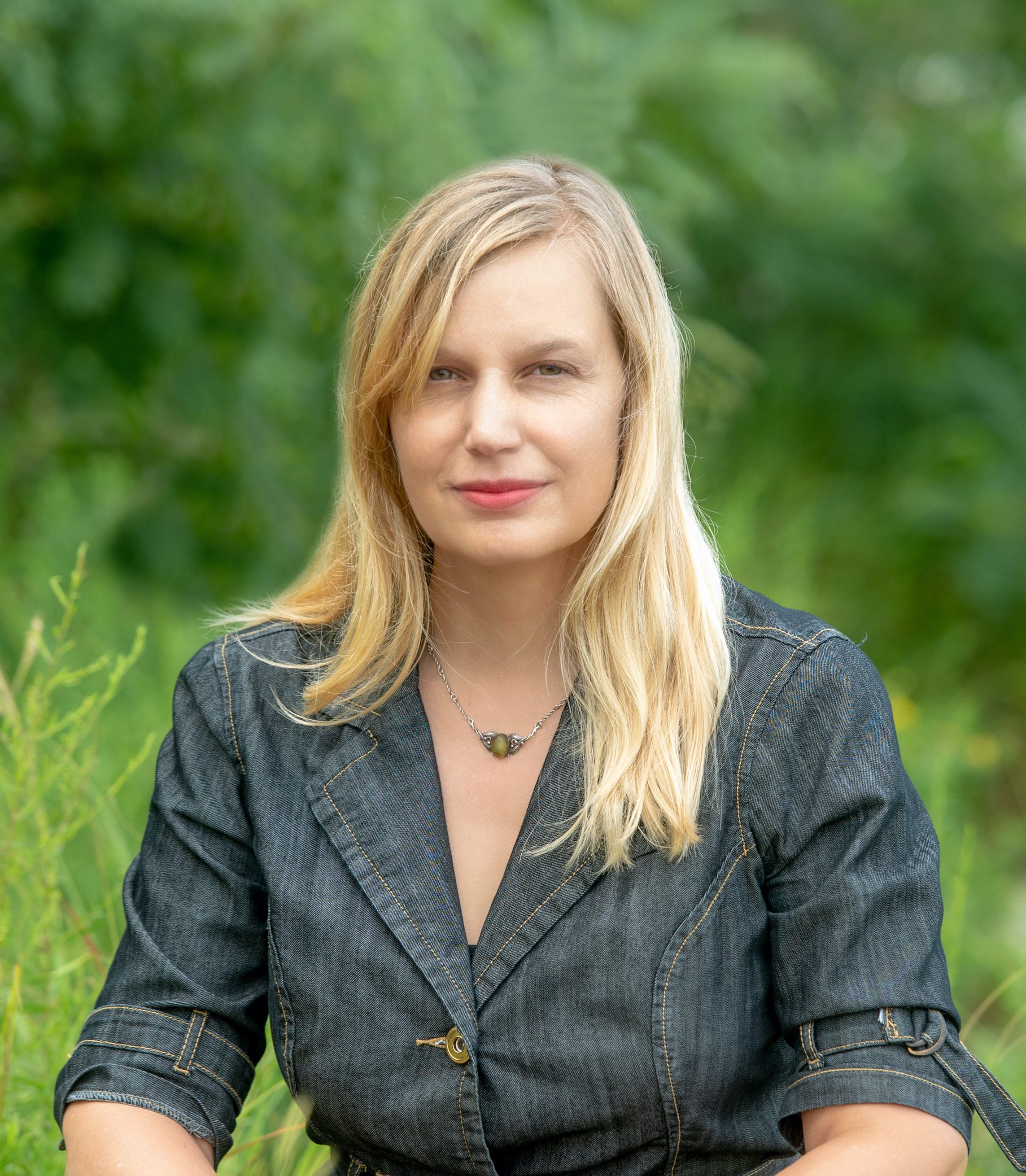
Friendship Sunset: A Conversation with Maria Hummel
Friendship is in some ways the purest expression of love. Friendship doesn’t ask for something back in the same way that other loves do.
-

The First Book: Soraya Palmer
I thought about stories that saved me as a child by showing me what was possible. And then I thought about the stories that were missing.
-

The First Book: A. Light Zachary
I gave up on “speaking truth to power” when I remembered our oppressors will never read my poetry.
-
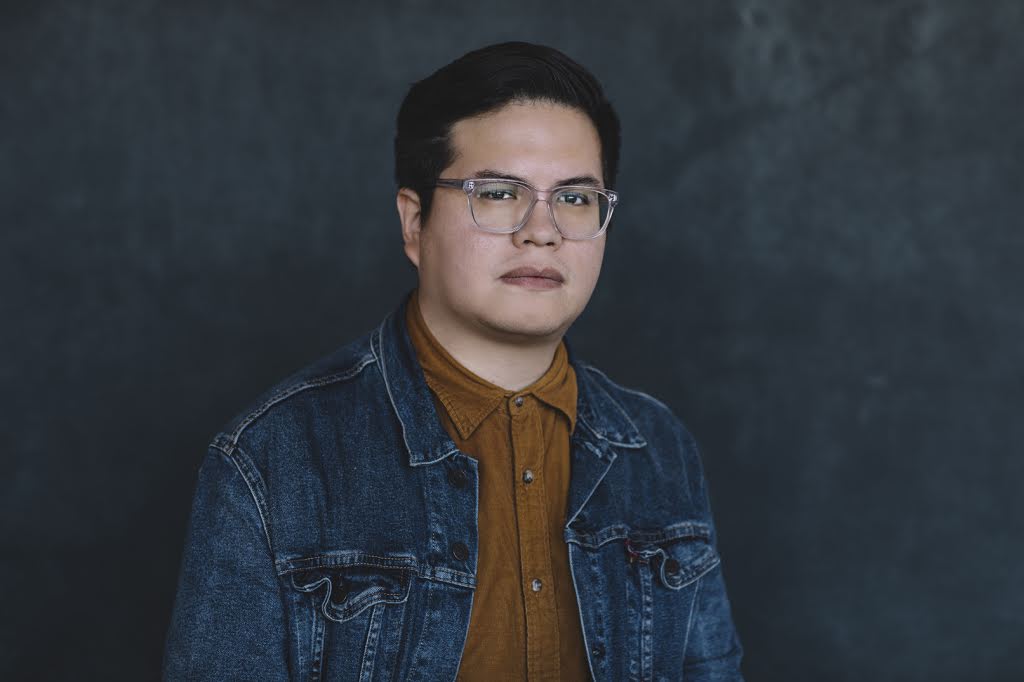
The First Book: Sebastián H. Páramo
I believe that’s what most writers want—to share an experience that adds complexity to life and resonates with something someone hasn’t been able to say yet.
-

The First Book: Cory Allen
Believe in your story. Be persistent. Be creative and find ways around the roadblocks.
-

The First Book: Boo Trundle
If the writing process is healing, and if this healing process shapes the narrative, then maybe the reading experience can stimulate aspects of the same healing process.
-

“The psyche is a rich, vast junkyard:” A Conversation with Chin-Sun Lee
As a writer, anything pertaining to the psyche is a rich, vast junkyard I can poke around in to create narratives that align with my own obsessions.
-
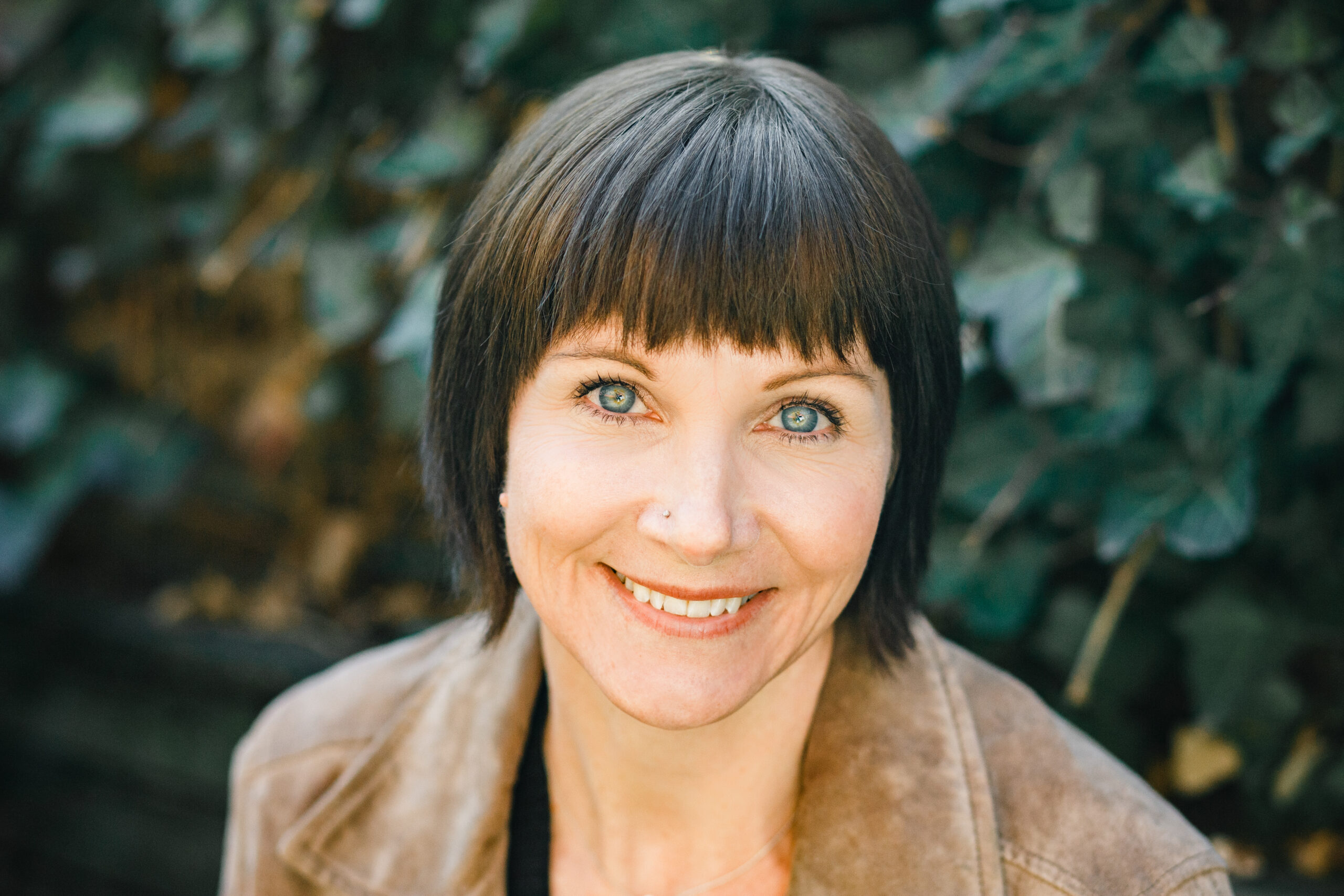
“Intimacy in the Telling”: A Conversation with Maggie Smith
I’m never in a hurry for a piece of writing to wrap up. And I almost never know how it will end.
-

There’s Reality in Other Places: A Conversation with Kelsey Norris
Life’s weird. There’s reality in other places. I really like fiction and media that play with that strangeness.