
Features & Reviews
-

Learned Wisdom: A Conversation with Min Jin Lee
Maslow’s Hierarchy of Needs is an idea that I wanted so much to introduce because it explains why there’s intergenerational conflict and misunderstanding. It also causes so many problems between practical people and people who may be more attached to…
-
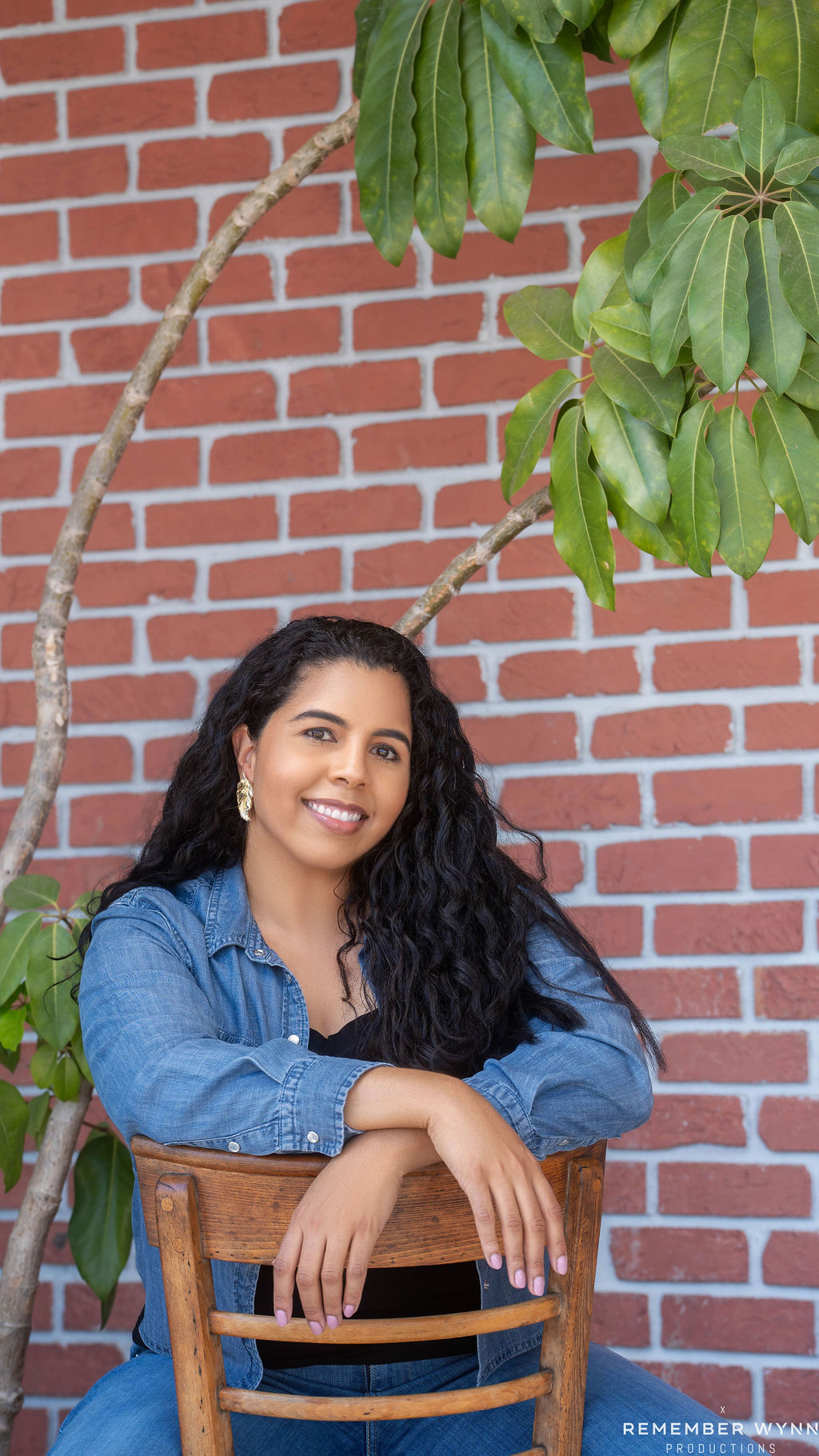
Bodega as a Bridge to Storytelling: A Conversation with Amaris Castillo
I hope that Latinx readers will pick this up and read it and feel like there’s something in it for them and that it’s resonant. But I was also aware that this book is set in Florida and there are…
-
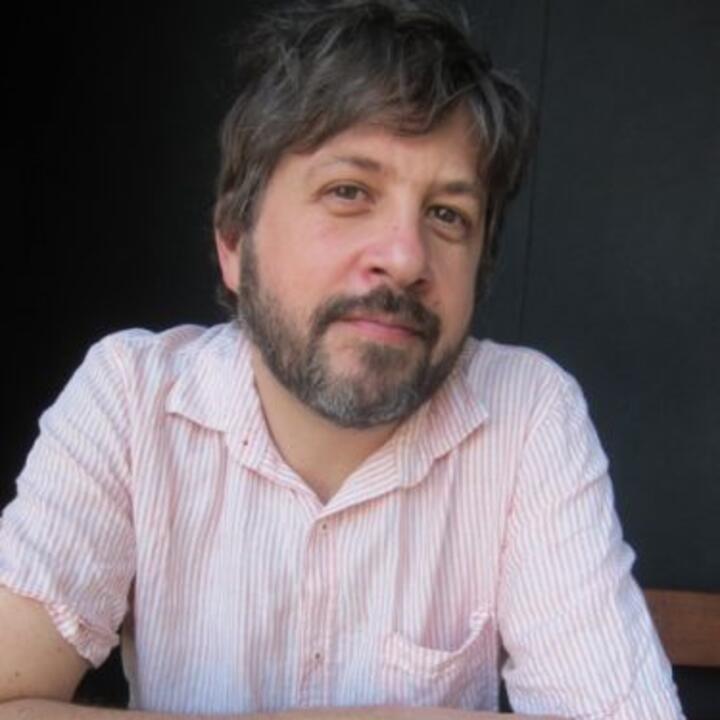
Nothing is Too Small to Contain the World: A Conversation with David Naimon
Conversations on Writing does touch on how these big impossible questions can be found within the smallest choices we make as writers, within syntax, voice, point of view, and narrative. And the gestures toward a different world can begin with…
-
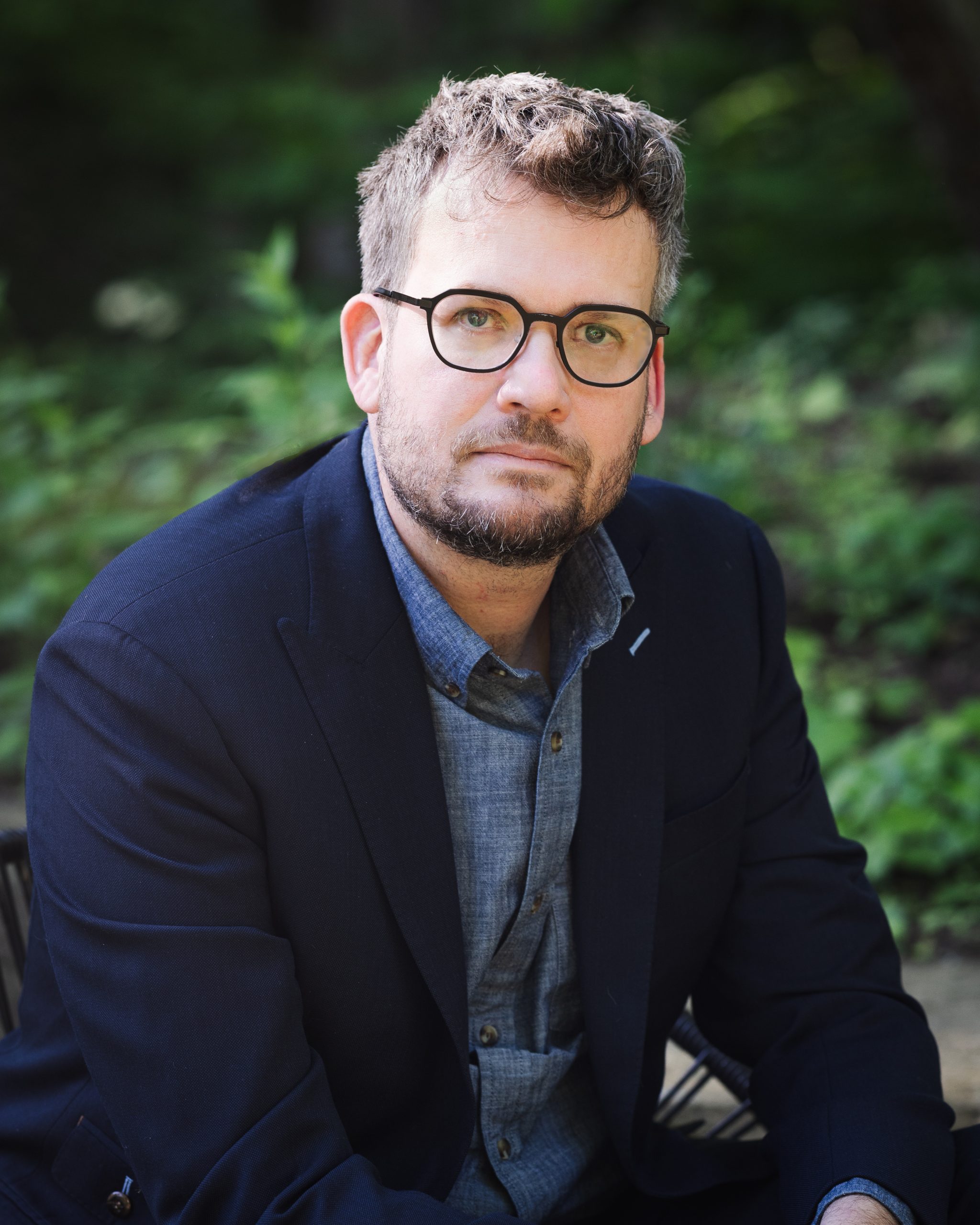
“In The Future, Everyone Will Be Famous”: A Conversation with John Green
Initially, I thought I was writing about what we exchange when we give aspects of our private lives to the public for attention, which is something that used to be a problem mostly for movie stars and now is a…
-

Literature as Linguistic Event: A Conversation with Hernan Diaz
In all of my books, including Ply, I have paragraphs where time is suspended because there are no conjugated verbs—only infinitives and participles. I try to do it unobtrusively. If you don’t notice, that’s mission accomplished. You don’t have to…
-
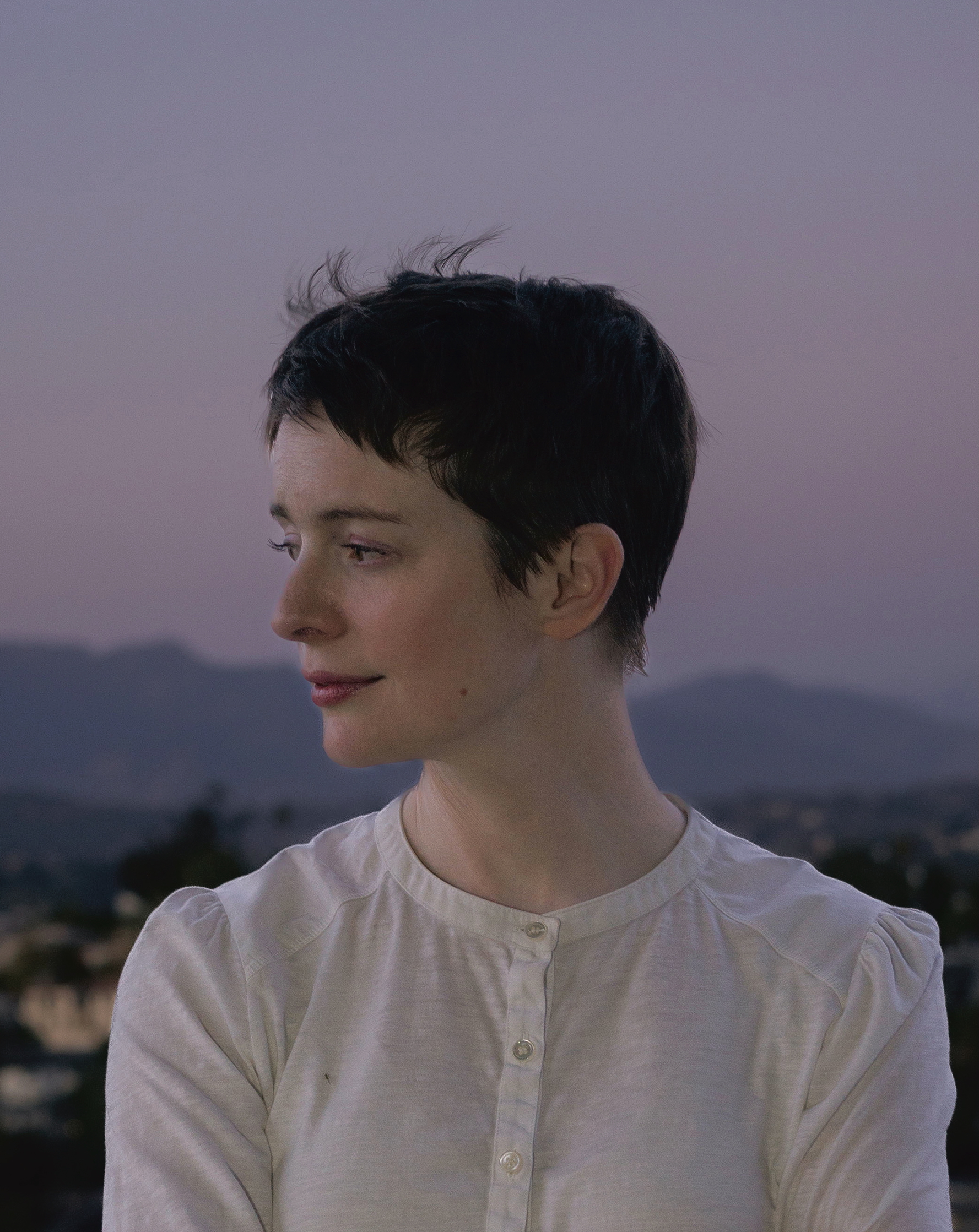
Writing the Long, Strange Aftermath: A Conversation with Emily St. John Mandel
Philosophically, I always feel like as writers we should be working at the very outer edge of our talent. Because otherwise, we are not improving and the books aren’t getting better. I feel like I really did that with this…
-

Novel as Relay Race: A Conversation with María Elena Morán
I often thought of the novel as a relay race. A character tells their version of events, and the reader may begin to sympathize with them or judge them. Then another voice takes over and complicates everything—confirming, challenging, or completely…
-

A Literary Case for Intentional Communities: A Conversation with Samantha Paige Rosen
“[I]n this very tumultuous present cultural moment, there is the thought that the more we depend on each other, the more we have control over that turmoil. We don’t have control over who makes governmental decisions at present, but the…
-
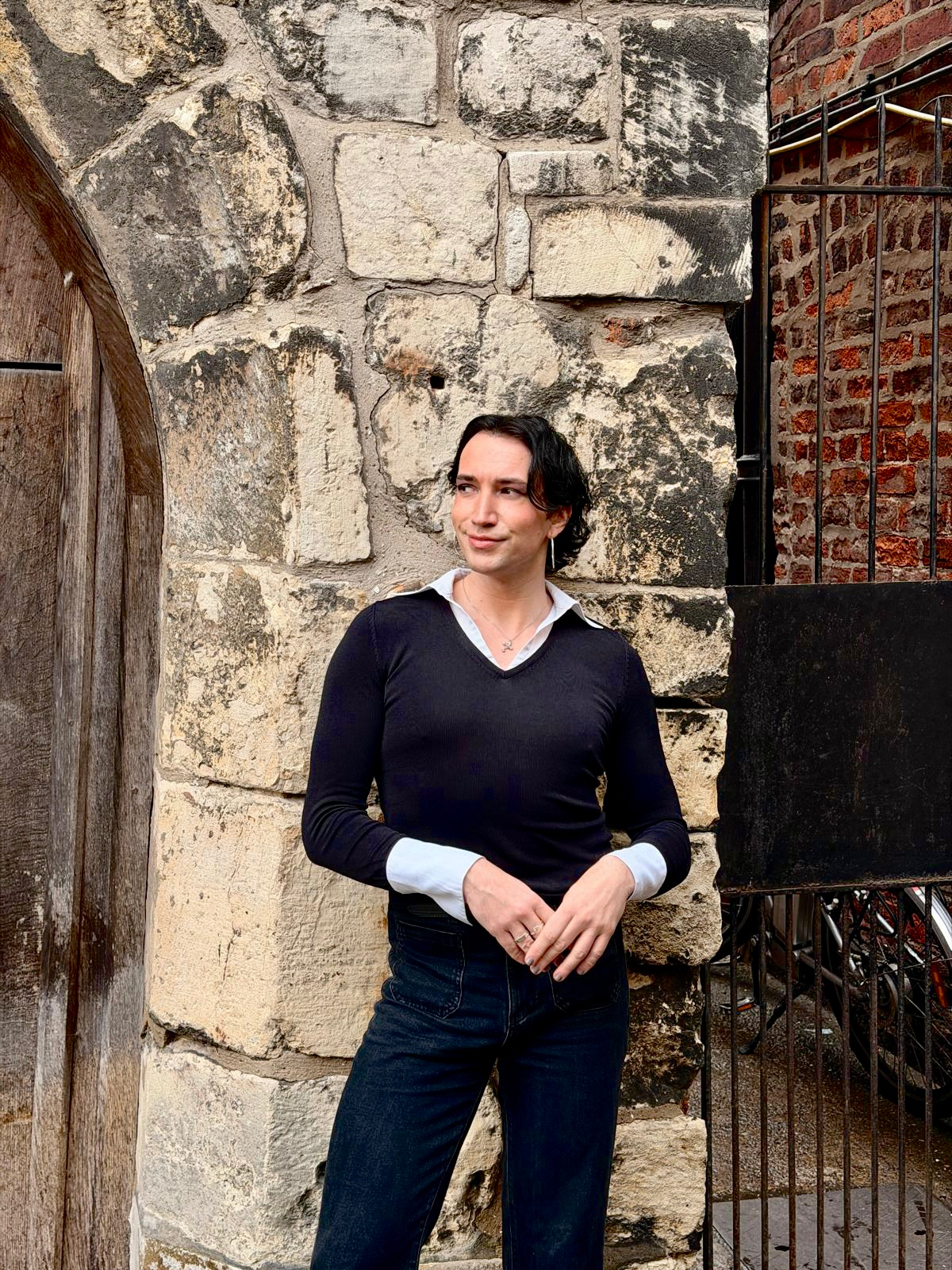
On Creating a Non-Binary Buffy & a Crypt of Queens in the Closet: A Conversation with Dom&Ink
“For ages, we really thought about whether to make the graphic novel full color. I was so adamant that I wanted it grayscale and black and white, because it gives a nod to all those classic horror films, and Hitchcock…
-
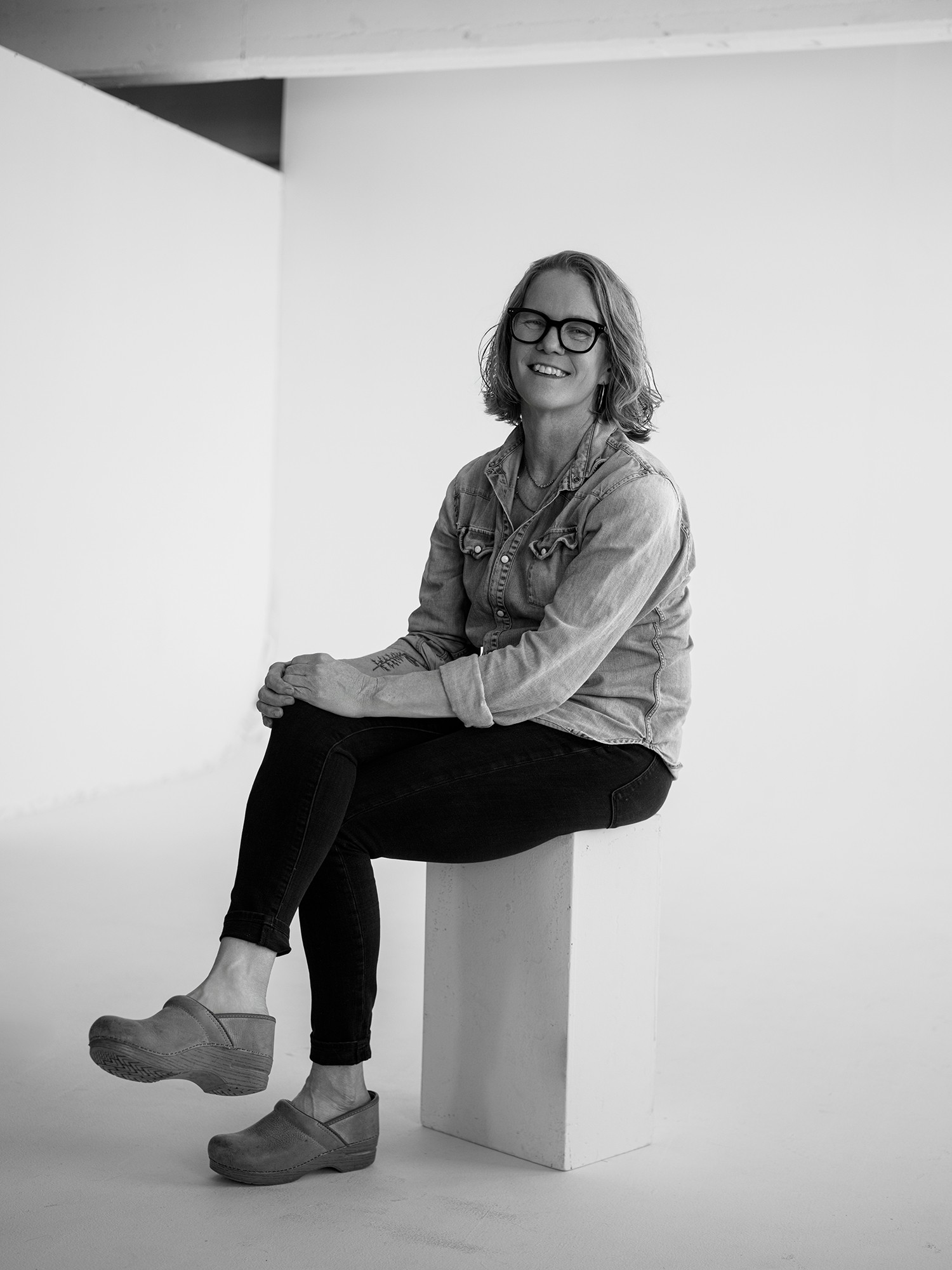
Trying to Be a Better Listener: A Conversation with Jenny Browne
“The border between what we want and what we risk feels so much more fragile and permeable than I want to admit. Because it’s terrifying and no fun to think about losing what you love, but working on that inside…
-
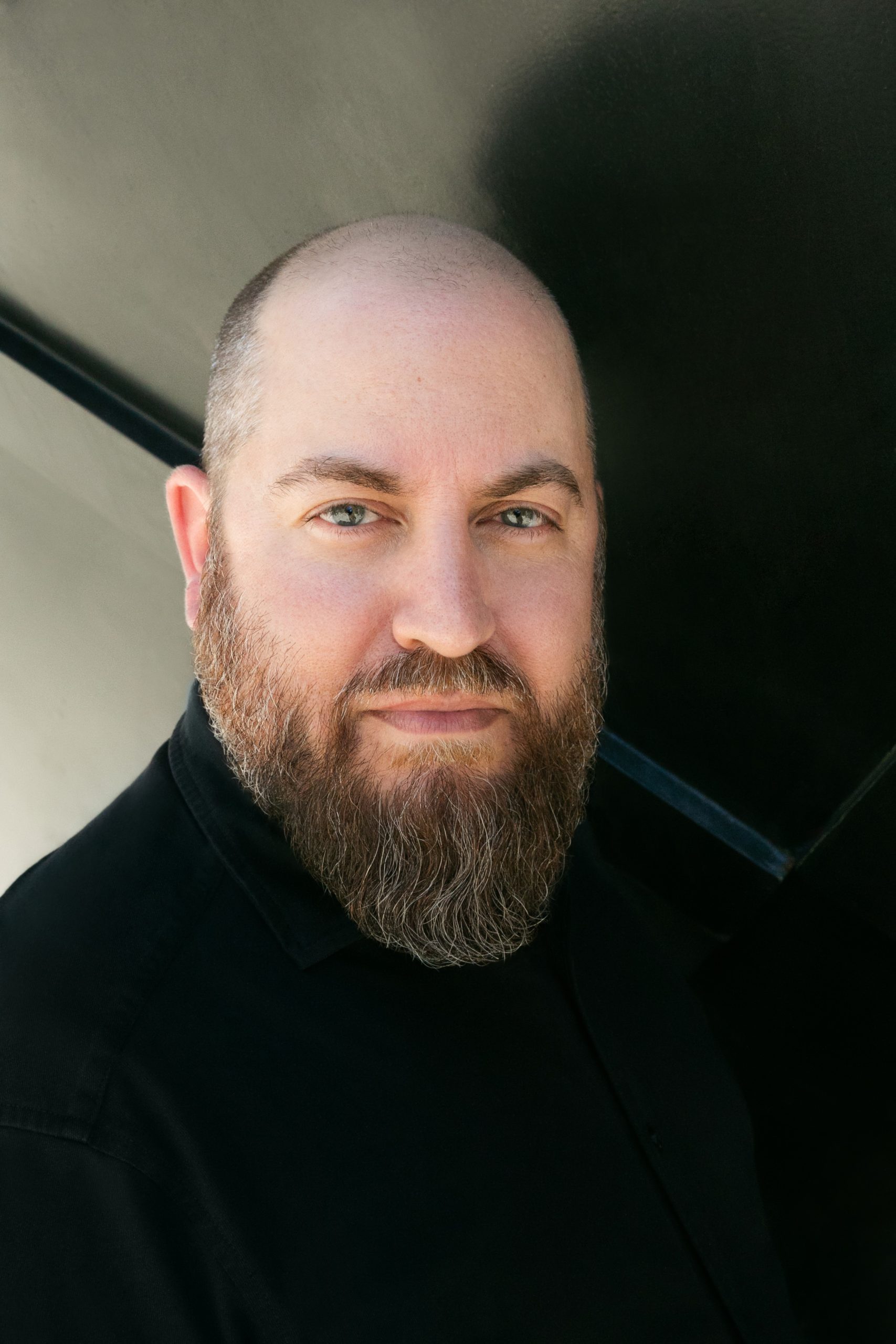
The Dream State of Metafiction & Wild Freedom of Short Stories: An Interview with Jess Row
“I wanted to do something very different. Something more explicitly political, more deeply experimental in the sense of using metafiction, not just as a clever way of reminding the reader that they’re reading a construct, but metafiction that really digs…
-
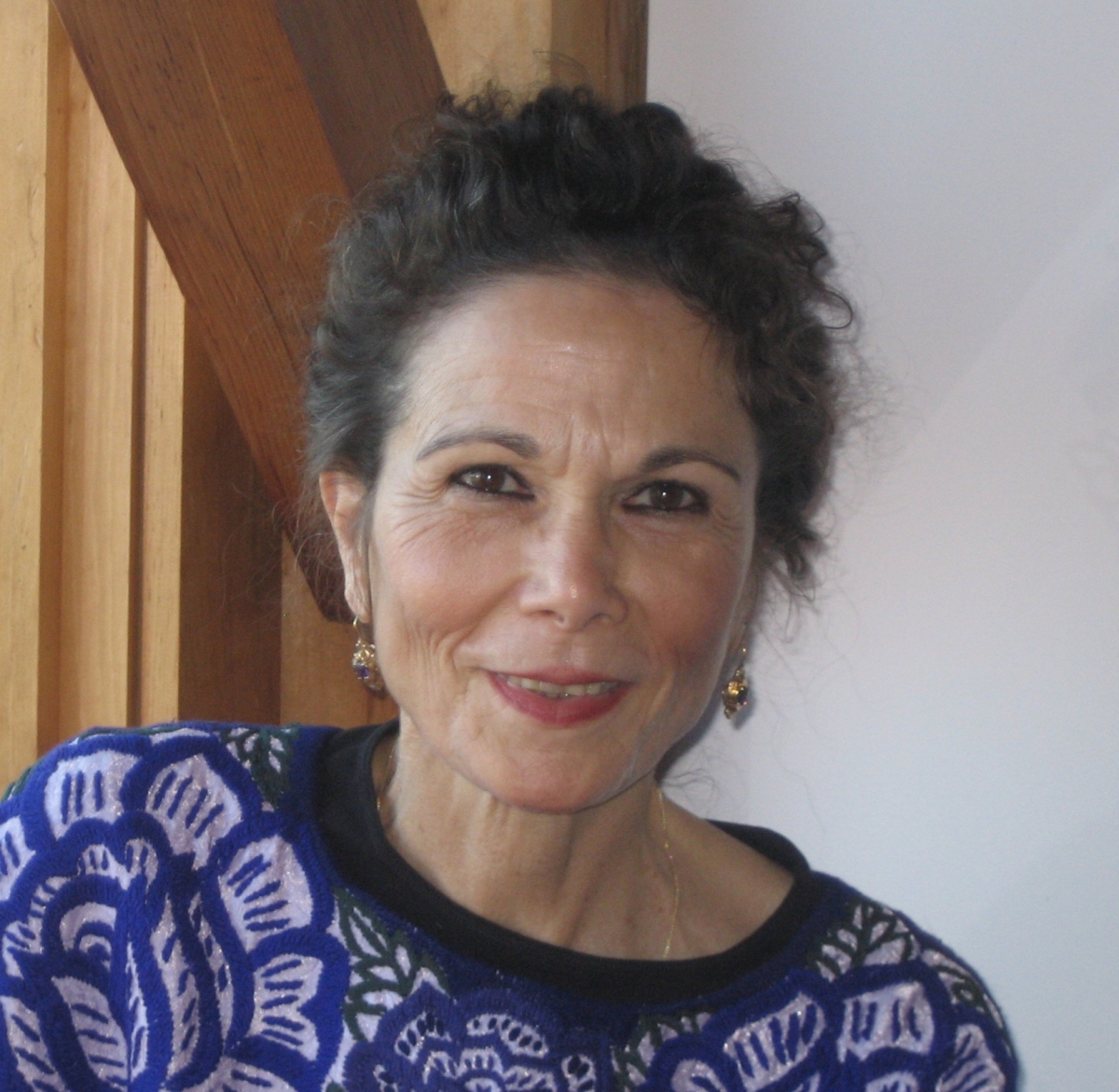
The Mystery Isn’t Figured Out: A Conversation with Julia Alvarez
“Publication is punctuation. It’s also a distraction, but it’s necessary because you want to close the circle. When you’re a storyteller or a writer that puts the work out there, having a listener, someone who receives it, completes it and…