
Reviews
-

Sketch Book Reviews: Piping Hot Bees and Boisterous Buzz-runners
Seeley uses historical studies, new findings, charts/graphs, and his absolute love of bees to teach readers.
-

Of Streets and Saints: Pier Paolo Pasolini’s Boys Alive and Theorem
Considered together, these novels trace the triumph of consumerism over rebellion, the bourgeoisie over the underclass, capital over life.
-

Human and No Less Miraculous: The Craft of Explication in Eugenia Leigh’s Bianca
Within Bianca, the speaker must choose the life she has over and over again, as a way forward—not as a stoic rendition of the eternal return of the same, but as desire.
-
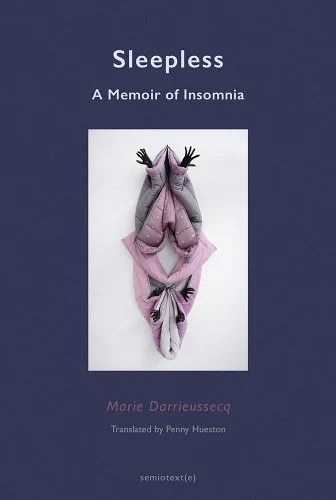
Imprisoned by Insomnia: Sleepless by Marie Darrieussecq
Memoir is less common territory for Darrieussecq, but with insomnia, she has found a real-world subject appropriate for her ongoing concerns about making sense of the absurd.
-
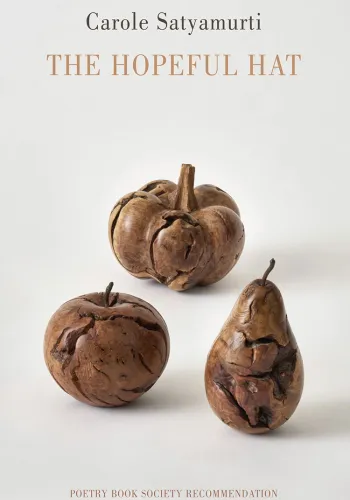
Giving Voice to Illness: A Comparative Review of Three Recent Cancer-themed Collections
All three poets contemplate the female body and the voice both literally and metaphorically, appealing to outside powers as they ponder how much a person can bear.
-
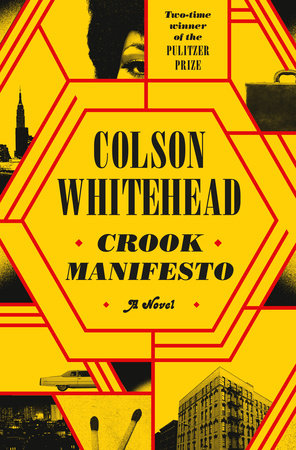
When the Underworld Comes Knocking: Colson Whitehead’s Crook Manifesto
“You were a cop and then a robber and a cop again,” recalls Officer Munson. And on this fateful night, he wants Carney to play again, this time with deadly stakes.
-
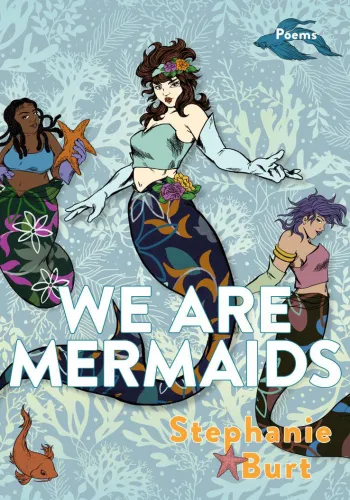
Nonbinary Thinking: Stephanie Burt’s We Are Mermaids
We’re reminded that the first creatures that crawled out of the ocean were fish that evolved to walk on land. What are we if not constantly evolving?
-
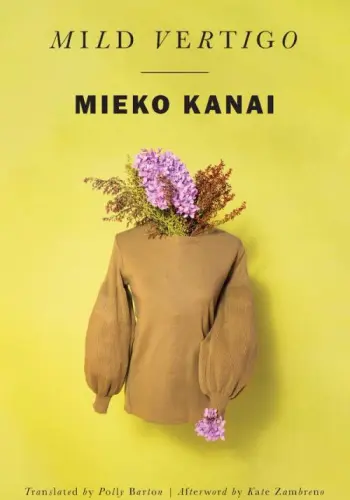
The Trap of Domesticity: Mieko Kanai’s Mild Vertigo
Between a stream-of-consciousness-inspired prose, image patterns, and consistent pivots of thought, Kanai establishes the most surprising thing about this novel: its ability to make the vertiginous hypnotic.
-
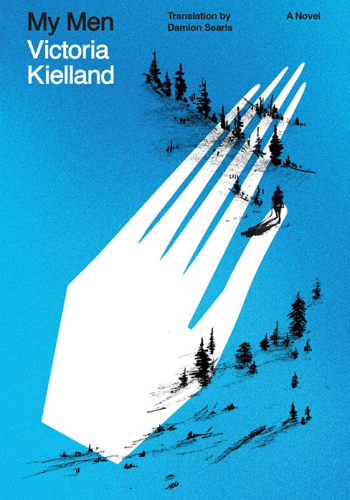
The Mind of a Female Killer: My Men by Victoria Kielland
But while Cather’s eponymous Antonia rises above rumor and gossip through resilience, optimism, and an irresistibly endearing authenticity, forging happiness on her own terms, the story of Kielland’s Belle is alternatively uncomfortable and haunting.
-
Reveling in the In-Between: J. Estanislao Lopez’s We Borrowed Gentleness
This humor, fresh in its irreverence, is welcome alongside other poems that read darker and more cynical as they grapple with survival and death.
-
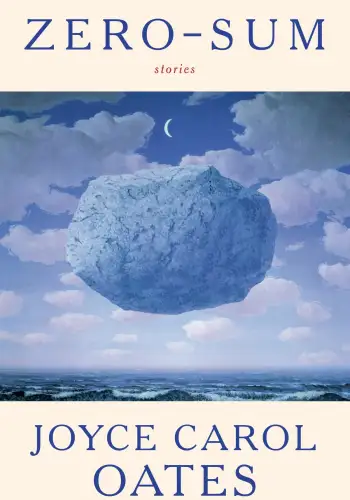
A Ratio of Give and Take: Joyce Carol Oates’s Zero-Sum
Here, what is given, what is taken or refuted, what is owed engenders the myriad methods her characters use to shift responsibility or culpability away from themselves and onto others.
-
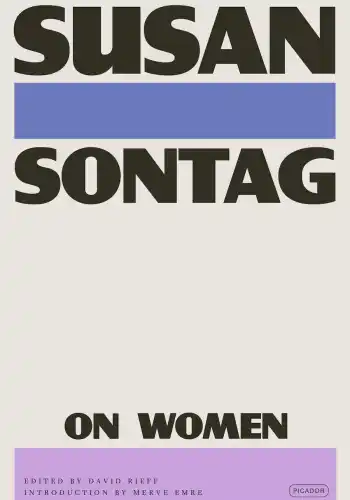
In Ardent Defense of Intellect: Susan Sontag’s On Women
Sontag parses out how women were—and are—patronized, idolized, romanced, and discarded based on proximity to their perceived expiration date, whereas men age without the same discrimination.