confessional
-
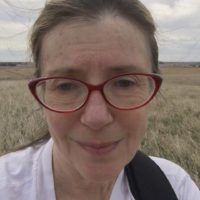
The Rumpus Mini-Interview Project: Karen Salyer McElmurray
“The grief felt like giving birth, these waves of pain and then receiving.”
-

Fundamentally, Necessarily Vulnerable: A Conversation with jamie hood
jamie hood discusses her debut book, HOW TO BE A GOOD GIRL.
-

Beyond the Manicured Surfaces: Talking with Aaron Smith
Aaron Smith discusses his new poetry collection, THE BOOK OF DANIEL.
-
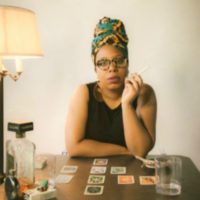
An Ethnography of the Self: Talking with Morgan Parker
Morgan Parker discusses her writing process, approaching an idea from various forms, and how moving from NYC to L.A. has changed her work.
-

#SuicideGirls: Why I Teach Sylvia Plath
But let’s not forget: feminism is, at least in part, about choice, and portions of life are play, not politics. Play and relationships and creativity and whatever we want.
-
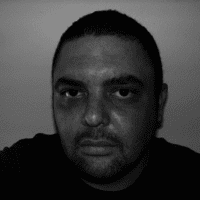
The Sunday Rumpus Interview: Shane McCrae
I think that the moment we’re living in offers the best opportunity we’ve had in a long time in that a lot of things having to do with identity politics are being talked about in poems.
-
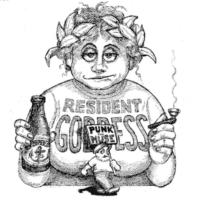
The Storming Bohemian Punks the Muse #7: The Art of the Accidental Selfie
One recent hot weekday afternoon, I told my partner—the guy who created the “Punk the Muse” logo and draws its cartoons—that I wanted to get out and about. We’d been sitting at home too long. Moon’s Handbook for Northern California…
-

Swinging Modern Sounds #72: Urban Pastoral
It’s like a landscape that you can’t know until you’ve seen it through four seasons, until you’ve seen it on days gray and bright.
-
A Comic for Dreamers, the Lost, and the Lonely
Sometimes, you get lost. In art, in love, in fantasies-turned-dreams, in your five billion part-time jobs. Sophia Foster-Dimino combines daily minutia with drifting existential questions in her comic, “My Girl.” Read “My Girl” over at Electric Literature, and feel it right…
-

The Rumpus Interview with Alida Nugent
Alida Nugent talks about her new book You Don’t Have to Like Me: Essays on Growing Up, Speaking Out, and Finding Feminism, the messiness and realness of sex and sexuality, and putting likeability last.
-
TMI, Sylvia
Better to say “I’m bad” and hope the reader responds “No, not bad, just human.” For the Guardian, Blake Morrison explores the reasons writers are so attracted to the confession, whether it be narcissism or catharsis.