
Film
-

The Rumpus Review of The Place Beyond The Pines
The Place Beyond the Pines begins with a long tracking shot, and the shot acts as a summary of everything that’s good about the movie: its confidence, its ambition, and its meager but distinct accomplishments.
-

Rumpus Readers Remember Roger Ebert
Roger Ebert had this elegance about him that made us all want to be like him.
-

An Ode to Roger Ebert
The New Yorker pays tribute to Roger Ebert in “Postscript: Roger Ebert, 1942-2013.” The article states: Ebert writes, in the introduction to his 2006 anthology of his work, “Awake in the Dark,” of seeing “three movies during a routine workday,” and,…
-

Reelings #4: SPRING BREAKERS
I grew up in Hawaii, so I have no concept of going away on “spring break”, but Harmony Korine has clearly schooled me in what I seemed to not have missed in his raunchy, pulpy, neon-fueled reflection of young America,…
-

The Rumpus Review of Amour
Thankfully, this film really is a love story. Yet it’s such a ruthlessly unsentimental one that the title still feels like a provocation.
-
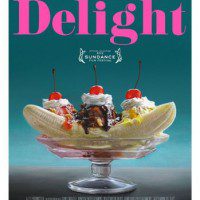
The Rumpus Review of Afternoon Delight
Afternoon Delight is about so many things, but the opening gambit: wanting to bone the same person you’ve been boning for years is a struggle.
-
The Rumpus Review of Zero Dark Thirty
A dizzying blitz of descriptors surrounds Katheryn Bigelow’s Zero Dark Thirty: pro-torture, anti-torture; anti-Bush, pro-Obama; mindlessly jingoistic, nuanced in its critique of American exceptionalism.
-
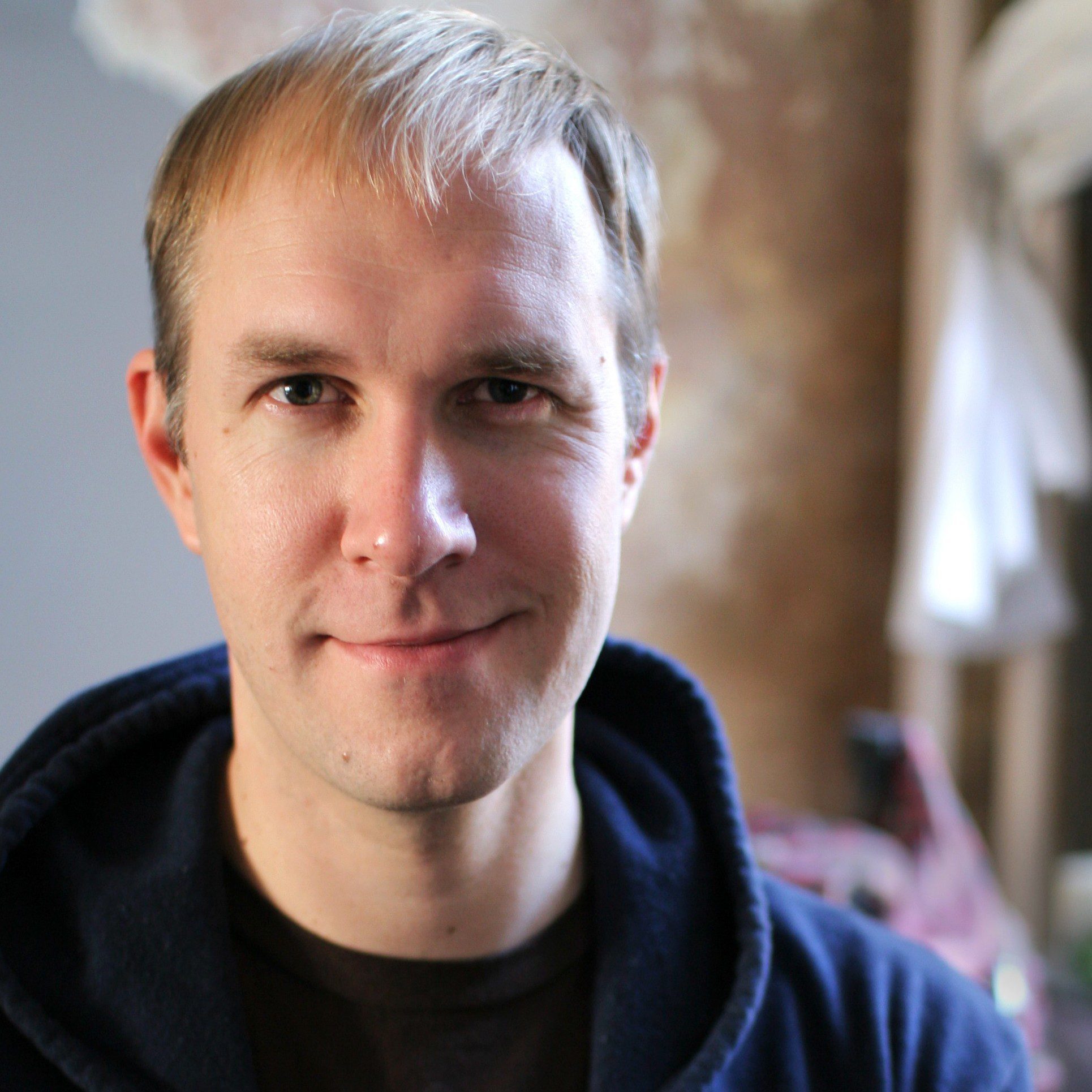
The Rumpus Interview with Craig Zobel
Filmmaker Craig Zobel talks about the ramifications of influence, treading moral boundaries, and why we need to have more conversations about exploitation.
-
Technology, Aesthetics, and Hollywood
David Denby’s provocative essay “Has Hollywood Murdered the Movies?” explores current movie culture and the future of the film industry. Denby takes a comprehensive look at how the production of big-budget movies is keeping “art-house” films with low or midrange…
-
The History of Black Lesbian Cinema
It’s about a year old now, but whatever: this primer on black lesbian cinema is too good not to read. Salamishah Tillet walks us through twenty years of movies by and about queer women of color, from Watermelon Woman, a mockumentary…
-

Turning Points #2: Cary Grant in Father Goose
To be accepted, to be relevant, he would need to become someone else. He would spend the next half-century creating that person and then, at age 60, decide that it was time to reveal his true self, in Father Goose.
-

The Rumpus Review of El Médico: The Cubatón Story
To be a doctor in Cuba is to live inside the swirl of history and politics that whooshes around the small Communist island at all times.