
recovery
-
The Body and the Blood
The world around me looked suddenly sharper, more sinister, the female body where I lived appearing so much more penetrable, exposed, and impossible to hide.
-
Bodies in Space: Teaching after Trauma
Turning onto my street and looking south I feel the ground drop beneath me every time—I turn the corner and the sidewalk falls. I feel invisible then, as if I’ve vaporized.
-

The Middle Season
My doctor told me to begin with adding five minutes to my morning walk. During those five minutes, I recalled the life I’d once had—that intense life that ambition gave me—and the man I’d once been.
-
The Storming Bohemian Punks the Muse #1: Are We Amused Yet?
Here is something I’ve always believed: Just knowing I am an artist, asserting that identity, is more important than what I produce. It is a victory in itself.
-

Dance, Write, Love
Before this semester in Italy, I had enjoyed writing for school, but now for the first time I was driven to write for myself. I began to need to write like I had needed to dance. Was I replacing one…
-
The Saturday Rumpus Essay: A Brief History of a Bad Heart
She studies you, still panting with an energy that consumes the room, and whispers in a reedy voice: “They say you fucked up your heart.”
-
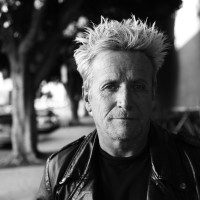
The Sunday Rumpus Interview: Patrick O’Neil
Patrick O’Neil talks about his debut memoir Gun Needle Spoon, being big in France, the drug/recovery genre, and writing through trauma.
-
Weekend Rumpus Roundup
In “Hunting For The Little Prince,” Sigal Samuel invites us to tag along as she pursues the real-life inspiration for the blonde-haired protagonist of Antoine de Saint-Exupéry’s famous children’s book. No spoilers, but this particular missing person search ends happily.…
-
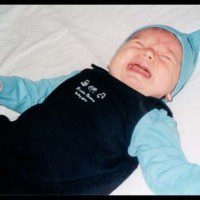
The Sunday Rumpus Essay: Who’s Crying Now
Faced with parenting children who have no qualms about bursting into tears, Zoe Zolbrod revisits her own stoic childhood, two generations of secret abuse, and whether crying may hold the power to protect.
-

The Sunday Rumpus Essay: Grief Magic
“I’m like an alcoholic who doesn’t drink anything but worst case scenarios…” In the aftermath of trauma, Emily Rapp struggles to give up being “on call” for grief.