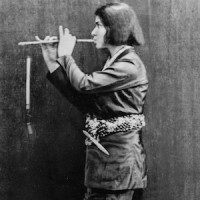
wwI
-
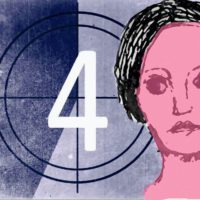
The Promise of Werfel’s Musa Dagh: Portraying Genocide in Fiction
How does a fictional account come to stand in for history?
-

Abstracting Yourself: A Conversation with Robin Hemley
Robin Hemley discusses his new essay collection, BORDERLINE CITIZEN.
-

How Patterns Break: Talking with Linda Bierds
Poet Linda Bierds discusses her newest collection, THE HARDY TREE.
-
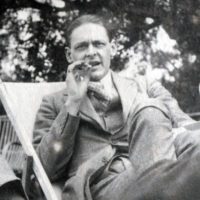
The Last Poem I Loved: The Waste Land
It is March, almost April, and the year feels like a spool of days spliced out of order, leaping treacherously from sun to ice to sun to rain to snow.
-

The Rumpus Mini-Interview Project #103: Andrew Battershill
Picture the French Surrealists recast as mobsters running a crime ring and you have the premise for Batterhill’s story.
-

Every Woman Is a Nation unto Herself: A Conversation with Sabina Murray
Sabina Murray discusses the novel Valiant Gentleman, writing characters that are fundamentally different from herself, and confronting issues of colonization.
-

TORCH: Blood Trauma
But still: A pattern. The trauma had been diluted by time. But, it was still present, still discernible, in my blood.
-
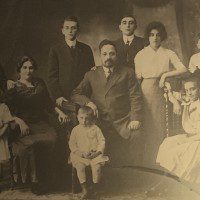
What They Never Told Me, What I Never Asked: Reflecting on Roots and Writing
[T]he questions pile up, never to be answered.
-

Edith Wharton’s Lost Story
An unpublished Edith Wharton story was recently discovered at Yale University by Dr. Alice Kelly. It’s called “The Field of Honour” and is set during World War I: Wharton was very much engaged with the war, she worked for a…
-
This Week in Short Fiction
This is the week of fantastical fiction, of the weird and the magical, of re-imagining fairy tales and urban legends, of making the familiar strange and the strange familiar. On Tuesday, a new edition of Angela Carter’s seminal 1979 story…