
By September 2002, my father had been gone for a month.
It was sudden and violent: a car crash on a hot Sunday morning while running an errand in his Long Island neighborhood. He lingered for a week, and the day after the accident, grief began to dismantle my family bit by bit like a game of Jenga. It chipped away at any sense of security I might have had as the only child of an acrimonious divorce thirteen years earlier, with my doting older cousins taking the place of the siblings I never had. Hours after the accident, their obligation was over, and I was removed from the inner circle of affection that had bound us together since my birth with the consanguineous glue of familial certainty and assurance. With my father—and them—gone, I sat in my basement office underneath the small house I shared for a year with a still-new partner, and I searched for a cheap place for us to go on vacation: I needed to be somewhere quiet, to read, and to stitch myself back together, and found a little cottage on the edge of Lake Dunmore, just outside Middlebury, Vermont. They allowed dogs. There were no inside photos in the listing; I didn’t care. I sent the owner a check for six hundred dollars, and we packed up our retriever, our books, and our car, and we fled. It was the end of September, and this began our tradition of renting a series of cottages—first in Vermont, then in Maine—to coincide with a sharp shift in the weather and the light.
After twenty-four years, we have become autumnal travelers. I cannot fathom vacationing in the heat of the summer the same way I could never imagine baking on a beach coated in a rime of suntan lotion. It is always still warm when we leave home, and day by day, the temperature drops a few degrees until the arrival of the autumnal equinox—today, as I write this—and we wake up in the morning to take the dog out. It was seventy degrees yesterday, and suddenly it is forty-eight. Fall is here, the passage of time palpable and tactile.
***
On the day of my father’s funeral in August 2002, it was 104 degrees out; I wore a black skirt, a black blazer, a black blouse, and black pantyhose, which stuck to my legs as if I were a burn victim. It had been an incendiary week; he lingered in the bardo for seven days until I removed him from life support, and during those seven days, my cousins’ kindred obligation to me fell away like leaves from a tree. His obituary was withheld from me. I was coolly instructed not to be intimate with my partner while meeting with the clergyman to plan the funeral service, as though unbridled sorrow might somehow tempt us to engage in unspeakable acts on his desk, right between Leviticus and Job. I was directed to sit shiva for my father alone, away from everyone else. The weather grew hotter with each passing day until he died, and we buried him in the family plot near his parents and niece and brother-in-law; as tradition dictates, I, as his primary mourner, was the first to shovel some of the soil onto his coffin after it had been lowered into the ground, in what is considered a final act of honoring the dead. Sweat dripped down my face, my neck, my back, and into the waistband of my skirt; I could no longer see or hear. I shoveled with all the heat of furious rage: rage at people I had loved being almost comically cruel, rage that it was 104 degrees out, rage at my father for dying. I felt, in C.S. Lewis’s words, “mildly drunk, concussed,” as though my glasses were smudged with oily perspiration, and I’d been wrapped in an old, damp wool blanket I couldn’t kick off.
So it was by instinct that I rented a cottage in northern New England after that summer was over. It is instinct that has kept me renting them over the years: all the Septembers—twenty-two of them—of renting the cottage on the shores of Lake Dunmore, then a rambling and drafty old cabin from the ’30s across the lake, where I could never get warm, then a charmless contemporary beach house overlooking an estuary in Phippsburg, Maine, then a rustic camp on Colman Pond in Lincolnville, Maine, and finally, a small, shingled cottage one hundred yards from Penobscot Bay in Owls Head, Maine, where I am writing this, and where, on this day—the autumnal equinox—we woke up to an abrupt cold edge to the air, and I grabbed a pair of wool socks because the heart pine floors were suddenly too cold to walk on barefoot.
***
My father and I did not like the heat. “All that sweating and melting and shapelessness and blurring,” wrote Helen Garner who, in Everywhere I Look, longs to be transported to Scotland, “where the air was sharp and the nights brisk.” I feel this and understand it, viscerally. My father and I were tweed-lovers, soup-eaters, wool-wearers, and wool-gatherers who in midsummer daydreamed of a September chill requiring the armor of heavier clothes and heartier food.
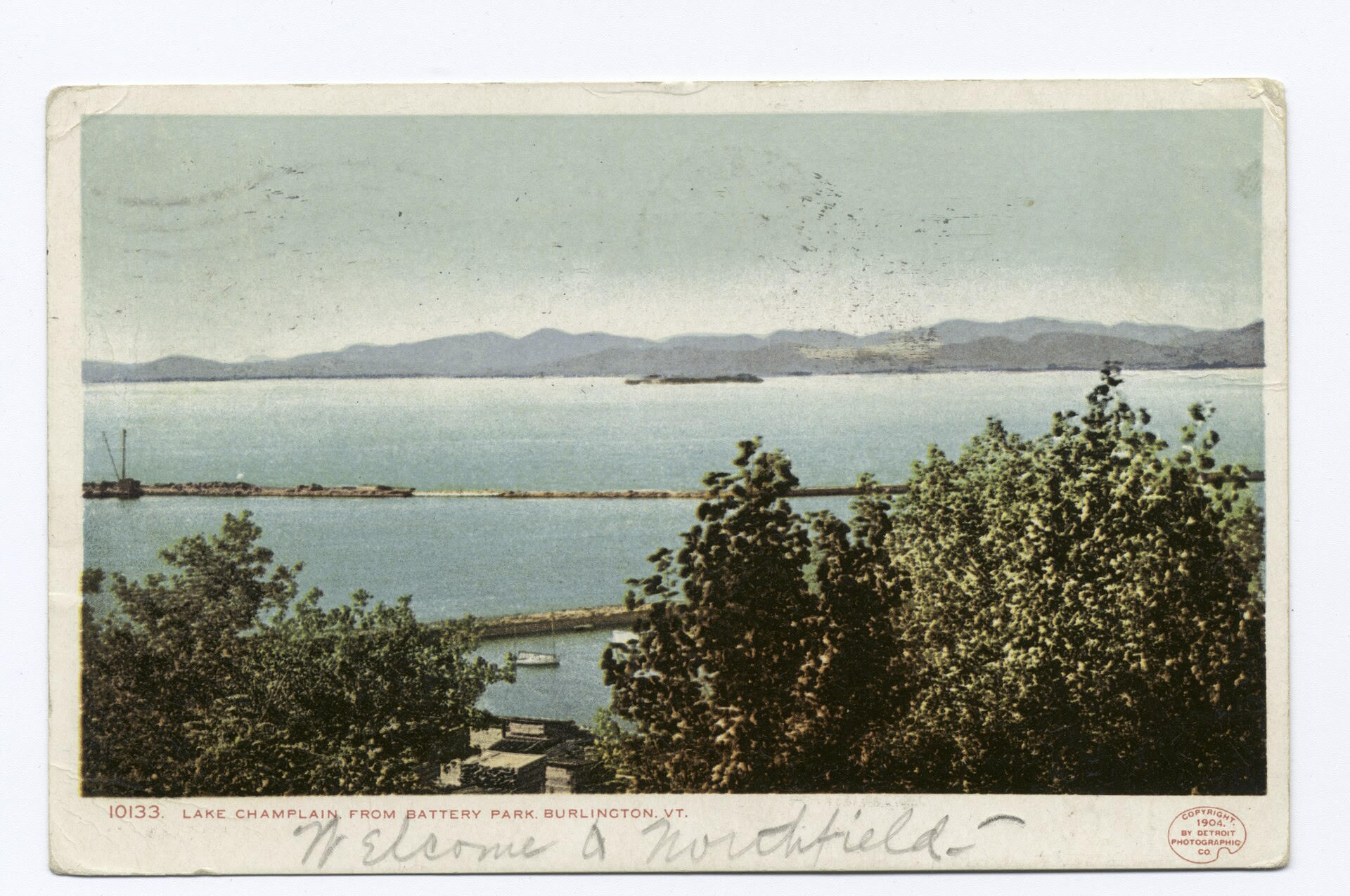
In 1979, when I was sixteen, my father drove me north on Route 7 through Massachusetts and into Vermont until we ended up only a hundred miles from the Canadian border. I was looking at colleges, and while we stopped at Middlebury, near where Susan and I rented that small cottage right after my father died, the state university in northern Vermont appealed to me most. We arrived in Burlington late the night before my interview with the admissions staff, and, unable to find a place to stay that was not profoundly expensive, my father had booked us in a small, dank, cinderblock motel just north of the city, on a quiet road that wrapped around the eastern side of Lake Champlain.
“It was the kind of place where they changed the sheets by the hour,” my father joked to my aunt and cousins when we got home, softening the fact that, a year after my parents’ divorce, he was just this side of destitute, and that affording the tank of gas that transported us from New York to northern New England was a small miracle. It had been so dark when we got there that we had no sense of exactly where we were. After I awoke the next morning and dressed for my meeting, I opened the backdoor while my father shaved, his cheap Radio Shack transistor radio dangling from the bathroom doorknob; Lake Champlain was less than five feet from where I stood, glistening in the cold light. I bent down and dragged my hand through the freezing water and called for him to come look at what the darkness had given way to. He stepped outside wrapped in a threadbare towel, half his face coated with shaving cream. “The temperature is 32 degrees this morning,” we heard the newscaster say, and just like that, the autumn equinox had arrived that morning in September when I was sixteen kneeling at the edge of a lake formed ten thousand years earlier by receding glaciers that made saltwater fresh, and a place of sustenance for all who could drink from it.
When my father died in 2002, I was drawn back to the water, away from the smothering heat of August. It is somatosensory memory at work—the smell of dying leaves and lake water and Barbasol, of suddenly freezing air and pine sap and the haze of Lestoil that overtook us when we stepped into the motel room the night before. This is why my wife and I travel during the month of September, from waterside cottage to camp to cabin: I am always searching for that exact moment at the edge of a northern Vermont lake in 1979, where no one else was present but myself and my father, living through tectonic shifts of our own and longing for relief from summer’s stifling fury, and freshening its sorrow.

Click here to subscribe today and leave your comment, or log in if you’re already a paid subscriber.