
Criticism
-
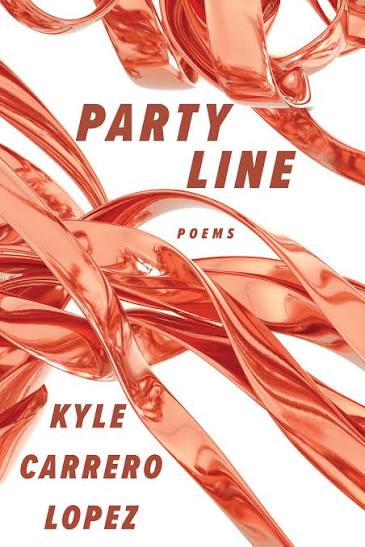
Negotiating Contradictions on the Dance Floor: Power, Exclusion, and the Nightlife in Kyle Carrero Lopez’s “Party Line”
Subjugation (interpersonal or otherwise) is a recurring theme throughout the book. But for Carrero-Lopez, to merely state that it exists isn’t enough. Instead, the material conditions that allow people to jeopardize or determine the autonomy of others serve as centerpieces,…
-
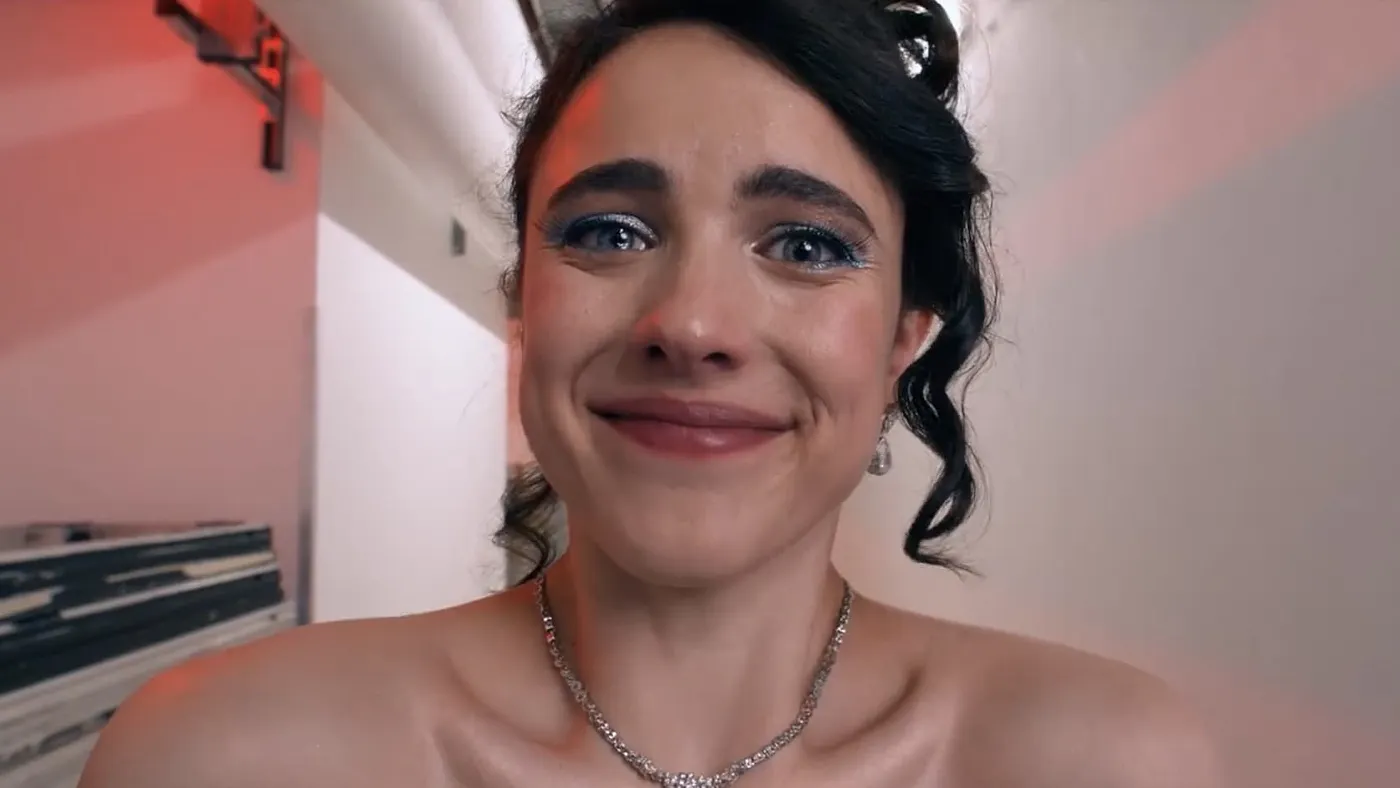
Is Body Horror Skin Deep?: How “The Substance” ushered in a new era of anti-woman horror
The Substance falls right into the same historic trappings of the misogynistic punishment rituals that horror has long perpetrated. So why is the film—and the media it has inspired since its release—hailed as a feminist masterpiece?
-

A Pair of Death Trips
There, she meets a man who tells her of the ascendant rise and fall of his wealth, how inheriting a few Norman Rockwell paintings led to a cross-country motorcycle journey and, eventually, drug-fueled, late-night lawn mowing. Every character is full…
-
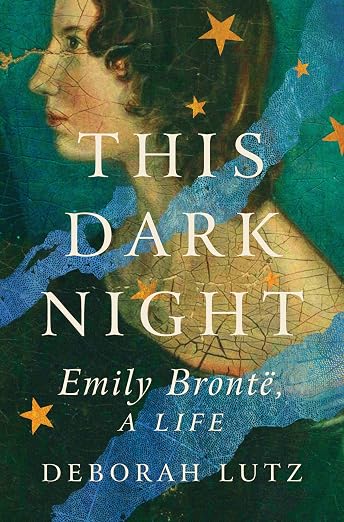
“This Dark Night: Emily Brontë, A Life” by Deborah Lutz
This Dark Night effectively refutes the lasting image of the Brontës as isolated sad girls, stuck in the sticks with their abusive reverend father, which originated with Elizabeth Gaskell’s now-classic hagiography of her close friend, Charlotte Brontë. Lutz sketches a…
-

The One Who Loved Is Not the One Who Betrayed: On “Severance,” Identity, and the Shifting Selves of Love
You remember your younger self’s devotion the way you remember a book you once loved: vivid, moving, but no longer yours.
-

Born to Run: The American Road Trip Myth & Lauren Groff’s “The Wind”
There is a sinister breeze blowing throughout the story, like the big bad wolf that is always stalking the piggies and the sheep. It’s often lingering right outside the gates or behind the wall, sometimes breaking through, breaking ribs, bruising…
-
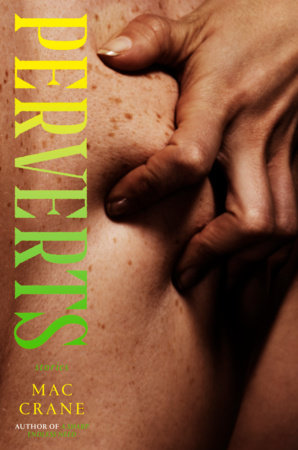
Normalcy? In This Economy?
Perverts is full of squirting, fingering, vibrators, life-changing kisses, and of course, meaningful lesbian glances. Yet intimacy, if it ever arrives, does so as a terrifying and delightful surprise.
-
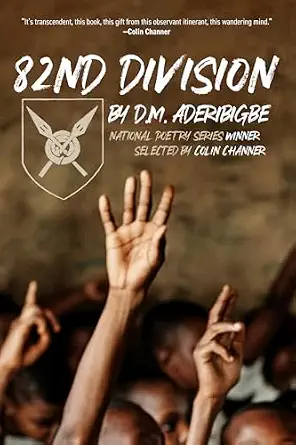
Form as Historical Memory: On D. M. Aderibigbe’s “82nd Division”
Are elegies fundamentally love poems? Or are love poems always tinged with elegy, knowing they contain their own ending?
-
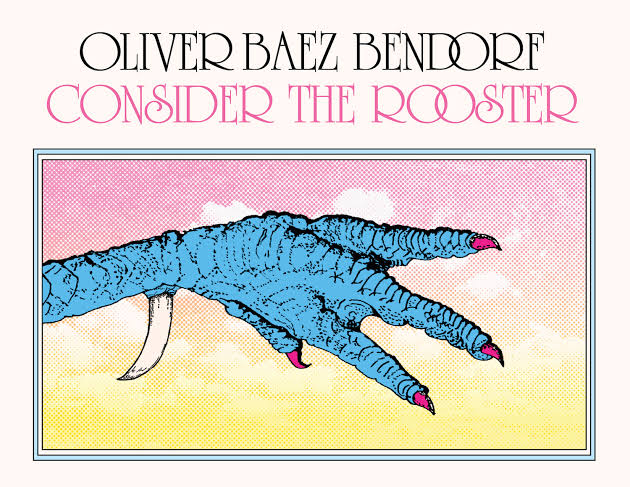
Consider the Rooster
Aren’t we complicit if we eat the chicken stew? I can’t help but ask myself this. I want the answer to be no, but the collection points to maybe, even towards yes. We are also complicit as we dig in…
-
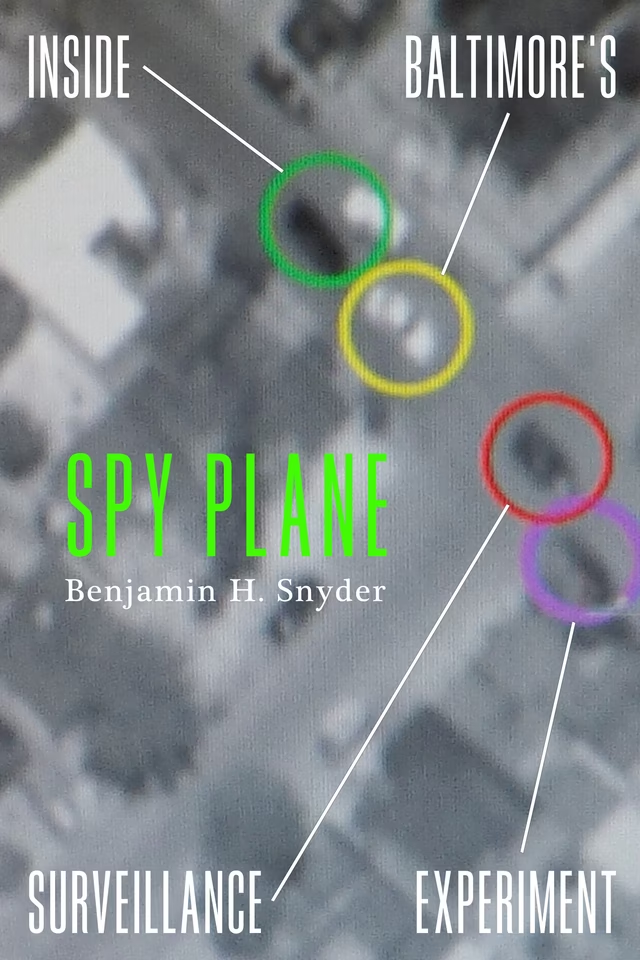
Under Surveillance: Benjamin H. Snyder’s Spy Plane
Righteous Black rage spilled over the borders into the downtown Inner Harbor. The cover of TIME magazine showed a mob of cops in riot gear chasing a young Black person down the street in front of Oriole Park. It was…
-
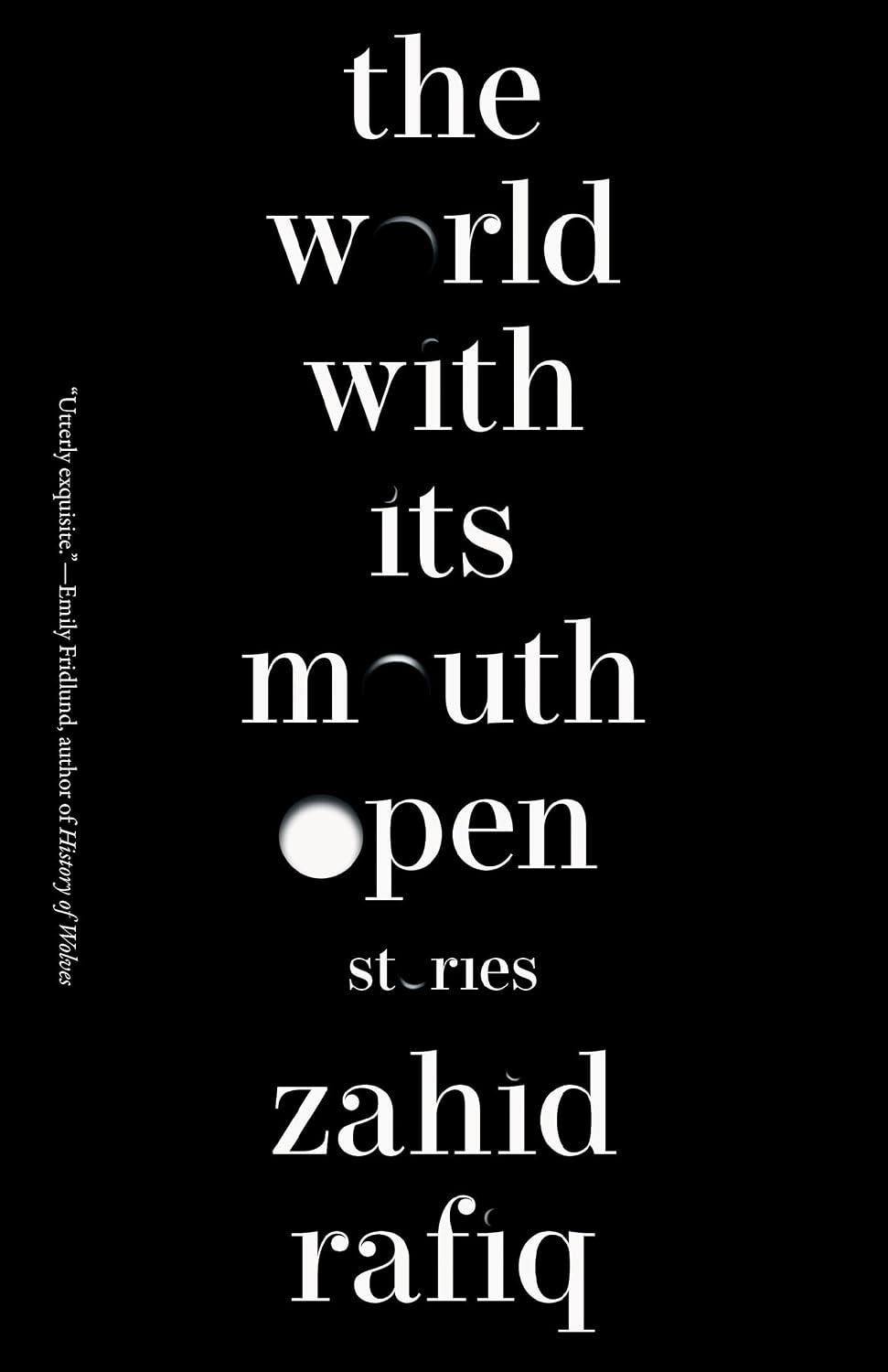
Kafka in Kashmir: Zahid Rafiq’s “The World With Its Mouth Open”
Picture this: You awake to get ready for a cricket tournament. You have been excited for this particular cricket tournament, it’s a special event, a star-studded one. You are going to be on the field and play against sports stars…
-

On Natalie Shapero’s “Stay Dead”
In Shapero’s words, “everyone is a worker.” If many of life’s actions are performances done for payment, so that even oxygenation is “a service / the woods provide,” then art forms like acting, painting, and writing are also determined by…