Recent posts
Rumpus Articles
-
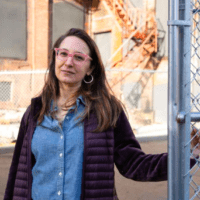
Embodied Voices: A Conversation with Sonya Huber
So many of the metaphors we use that come from the body and bodily experience are ableist and predicated upon a notion of “normal.” In educational systems, that idea of “normal” has led to serious accessibility issues, to separate and…
-

Finding Land: Audrey Magee’s The Colony
“When you look at the colonial system, one of the things they want to eradicate is the native language, because they don’t understand what’s going on and they can’t control it.”
-
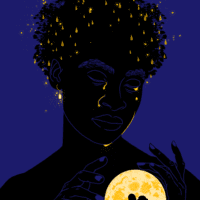
Rumpus Original Fiction: Black Bottom Swamp Bottle Woman
. . . maybe they believe labeling and understanding mean the same thing . . .
-
Can we be too alive together? A conversation with Chris Martin on poetry, autism, and our neurodivergent future
The way we arrange the conditions of our togetherness can allow all the writing to happen that beckons to happen.
-

Braced and Bedazzled
“This is solid, mostly titanium,” the surgeon says while I’m still groggy in recovery. “You can’t pull it apart if you tried.,” and, almost as an afterthought, “Don’t try.”
-
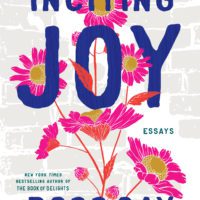
RUMPUS BOOK CLUB EXCERPT: INCITING JOY BY ROSS GAY
An excerpt from The Rumpus Book Club‘s November selection, Inciting Joy by Ross Gay forthcoming from Algonquin Books on October 25, 2022 Subscribe by Octobet 15 to the Poetry Book Club to receive this title and an invitation to an…
-

Accommodations are not accessibility: An interview with Katie Rose Guest Pryal
Being disabled in higher education takes a psychic toll, whether you are faculty or a student. Yet most institutions do the bare minimum to remain “compliant” with the law rather than doing the work to make their spaces accessible and…
-
The Dislexic Poit
I always received glowing remarks on my alliteration or understanding of poetic devices, but they were hidden beneath what felt like hundreds of tiny red strikes across misspellings—although my phonetic versions of the words were sometimes genius, and always understandable.
-

The Pastoral Novel in Chaos: Daisy Hildyard’s Emergency
. . . to witness the world is always to participate in it, to make choices about what to see and what to ignore, and also to be worked upon by forces of differing scales.