
Recent posts
Rumpus Articles
-

Mother-Daughter Bonds and the Power of Greek Myth: A Conversation with Ann Batchelder
My hope is that as a society we can emphasize compassion over stigma and treatment over punishment.
-
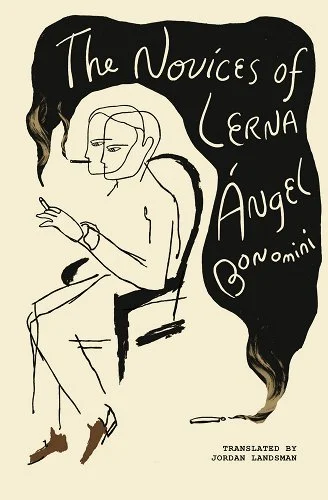
Holding a Mirror to Realism in The Novices of Lerna
His fictional world, as presented in this novella, develops a split truth, one where narrative reality and absurdist abstraction hang in the balance.
-

The Irrevocable Condition
These are all preposterous, illogical ideas that we wrap around ourselves as children, then cast off when we are somehow not anymore.
-

Rumpus Original Fiction: Mukbang
When she swallowed, you could see, if you watched closely enough, a lump moving down her gullet and into the abyss of her impossibly beautiful body, infinitely and effortlessly more beautiful than mine.
-

Confronting the Climate Crisis through Fiction: A Conversation with Mary Annaïse Heglar
You write a book to get over something. You read a book to get into it.
-

What to Read When You’re Crushing
Crushes don’t have to be romantic, or brief. They are best when unrequited.
-

We Are Weird and We Are Not Alone: A Conversation with Mary Biddinger
We are going to need nature more than ever before. We also need to continue being kind to each other and to uplift other writers whenever we can.
-

National Poetry Month: Leslie Sainz
You never begin with a flashlight but / there are always portraits on the walls. Long women like / Modigliani’s, like stretching, life fear.
-
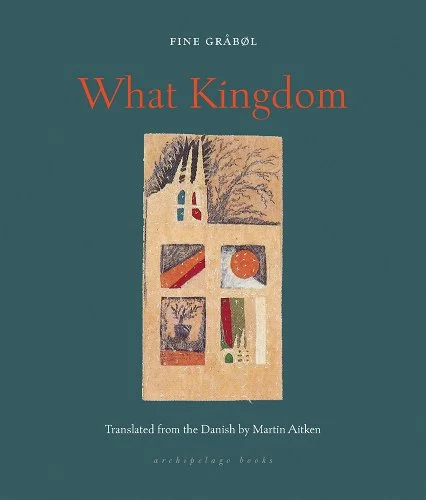
Is this the Danish Girl, Interrupted? Fine Gråbøl’s What Kingdom
“Have you ever confused a dream with life?”
-

National Poetry Month: Zeina Hashem Beck
To stay. Oppressors use words to possess: / “settle.” Lovers use words to escape fear.
-

“I have to go behind my back to get anything done”: A Conversation with Jackie Wang
. . . the reader animates you. And yet you’re also constrained in some way by that relationship that you form with the audience.
-

National Poetry Month: Tariq Luthun
I wring myself / into a pain loud enough to numb / my sorrow. How long before they learn — / those boys — to do the same?