Posts by author
Lisa Wells
-
Instructions for Killing a Revenant
If it’s blanched and fat with fluid/drop your pick and puncture it.
-
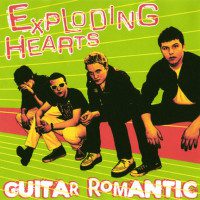
Shatter My Heart
On July 20th, 2003, a tour van rolled on I-5 south of Portland, OR, killing three of my friends. They were members of power-pop band The Exploding Hearts, and I’m told their story is one of the biggest “what ifs”…
-

The Rumpus Interview with Daisy Fried
Poet Daisy Fried talks shop about the avoidance of being a Mommy Poet, machismo, how to create a poet advice columnist, and why “women’s poetry” is best compared to a tricked-out car.
-

The Rumpus Interview with Cynthia Cruz
Her poems were spare, fierce, dark little packages that managed to feel both mystical—almost like fairytales—and contemporary with their references to drugs and Greyhound stations.
-

Ring of Bone: Collected Poems by Lew Welch
Lew Welch has been dead now for 40 years, just about as long as his total time on earth. He disappeared on May 23, 1971, walked out of poet and friend Gary Snyder’s house into the mountains of California, carrying…
-

Madness, Rack, and Honey by Mary Ruefle
Madness, Rack, and Honey is a gift from a rigorous intellect, unflinching critic, and a big old sloppy heart. Ruefle has created a work of poetry from the daunting task of writing about it.
-
A Brilliant Button Without Any Cloth
The promised west in The Oregon Trail IS The Oregon Trail is an amalgam of bootstrap romance, wilderness bordered by suburban sprawl, death, and the ferocity of natural processes.
-
An Inverted World of Trees and Trembling Sky
At its best, After the Point of No Return gives us just what we hope to find: poems that wrestle with mortality, retrace the steps of a life, and take us past the limit of flesh into whatever comes next.
-
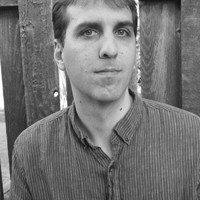
The Rumpus Interview with Carl Adamshick
[Adamshick’s] disinterest in self-promotion is plain, and the interview should be read with his tone in mind: wary, self-depreciating, somewhat amused.
-
We’ll Call Them Contact Zones
Based in research of museum design, and memorialization, Slot’s narrator moves inside public landmarks dedicated to various disasters—9/11, slavery, Hiroshima, the Holocaust— and explores ways memorialization acts on conscience and memory, interrogating the urge to abstract, label, and catalogue suffering.