
Interviews
-

The Rumpus Interview with Jessa Crispin
Jessa Crispin talks about The Dead Ladies Project and The Creative Tarot, founding Bookslut, why she has an antagonistic relationship with the publishing industry, and her estrangement from modern feminism.
-
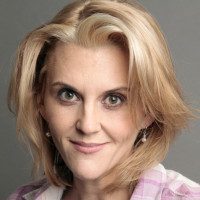
The Rumpus Interview with Meghan Daum and Elliott Holt
Meghan Daum, the anthology’s editor, and Elliott Holt, who contributed its penultimate essay, discuss Selfish, Shallow, and Self-Absorbed.
-
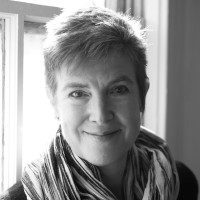
The Rumpus Interview with Laura Mullen
Acclaimed poet and writer Laura Mullen talks about her new book, Complicated Grief, obsession, germ theory, and exposing the arbitrary and superficial protections that have failed us.
-
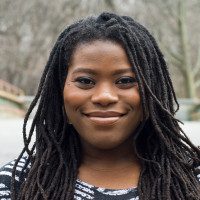
The Rumpus Interview with Kaitlyn Greenidge
Kaitlyn Greenidge discusses her debut novel, We Love You, Charlie Freeman, siblinghood and sisterhood, and finding a group to call “my people” in the larger literary world.
-
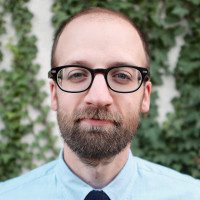
The Rumpus Interview with Cote Smith
Cote Smith talks about his debut novel, Hurt People, growing up in a prison town, using rejection as motivation, and brotherly love.
-
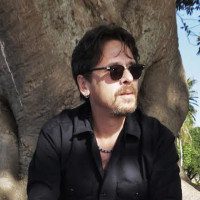
The Rumpus Interview with Rob Roberge
Rob Roberge talks about his new memoir, Liar, the differences between writing fiction and writing memoir, and why every narrator is an unreliable narrator.
-

The Rumpus Interview with Kathleen Spivack
Poet Kathleen Spivack discusses releasing her debut novel Unspeakable Things at age seventy-seven.
-

The Rumpus Interview with J. Aaron Sanders
J. Aaron Sanders discusses his debut novel, Speakers of the Dead, his writing process, and the wisdom of sharing his early drafts with his students.
-
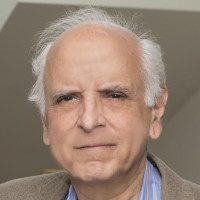
The Rumpus Interview with Paul Lansky
Paul Lansky talks about his career as a pioneer in the world of electronic and computer-generated music.
-
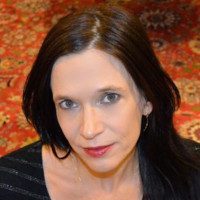
The Rumpus Interview with Elizabeth Kadetsky
Elizabeth Kadetsky talks about her new novella On the Island at the Center of the Center of the World, writing about trauma and external forces, and coming to fiction from journalism.
-

The Rumpus Interview with Bruce Bauman
Bruce Bauman discusses his latest book, Broken Sleep, why rock isn’t dead (yet), how humor makes life bearable, and why we should reinstate the draft.
-

The Rumpus Interview with Chris Jennings
Chris Jennings talks about his new book Paradise Now: The Story of American Utopianism, incremental reform, Transcendentalists, Shakers, and creating a more perfect future.