
Features & Reviews
-
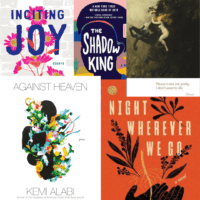
What to Read When Celebrating Black History
The Rumpus editors share a list of books to celebrate Black History Month
-
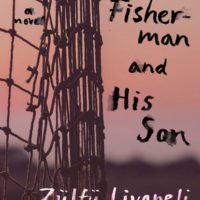
Seas of Discourse: Zülfü Livaneli’s The Fisherman and His Son
people do not fight their battles in isolation between mountains of seawater or in a vacuum of hypermasculine idealism; they suffer together and sometimes apart with a thin connective tissue strung between them.
-

The page is the stage: An interview with Junious Ward
“If you’re gonna push form, you’ve got to really push it.”
-

Yearning and Wandering: Tiff Dressen’s Of Mineral
The earth is fertile ground for seeking one’s roots and connection to others.
-

What might my gaze reveal? An Interview with Erica Berry
I suppose I’m obsessed with how we buffer uncertainty.
-
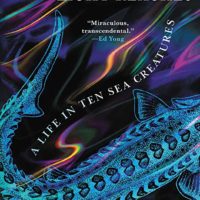
Queer Revisioning and Incomprehensibility: Sabrina Imbler’s How Far the Light Reaches
Imbler never fails to demonstrate that a different way of life is possible.
-

The Person Is Not The Body: An Interview with Rushi Vyas
I think, as writers, we only have so much choice. Obsessions emerge from our lived experience.
-

Science and Symbols: An Interview with Kevin Jared Hosein
I like to say this is a novel about split-second decisions, because either you go for it or you sink into the water and be forgotten.
-
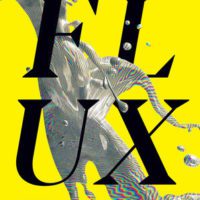
It’s Not Cancel Culture, It’s Scam Culture: Jinwoo Chong’s Flux
“Can we separate the art from the artist?” If you’re like me, you’ve been in more than a few versions of this particular conversation. You could even, at this point in the post-MeToo era, write a MadLib of this conversation.…
-

When Craft Becomes an Act of Love: An Interview with Gayle Brandeis
I want to be fully present for whatever I’m doing, whether it’s teaching, or writing, or being with people I love.
-
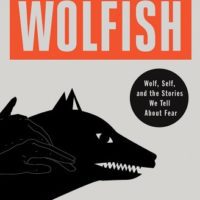
What to Read When: You Want to Think Kaleidoscopically About Place
A stitch that sews both self and world into being.
-
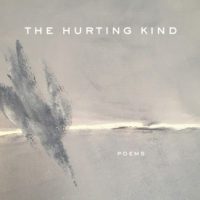
Clearing the Bar with Care and Complexity: Ada Limón’s The Hurting Kind
The Hurting Kind’s epigraph, a quote from Argentine poet Alejandra Pizarnik [implores] us to “Sing as if nothing were wrong. / Nothing is wrong.” When we read Limón, we can almost believe that.