
criticism
-
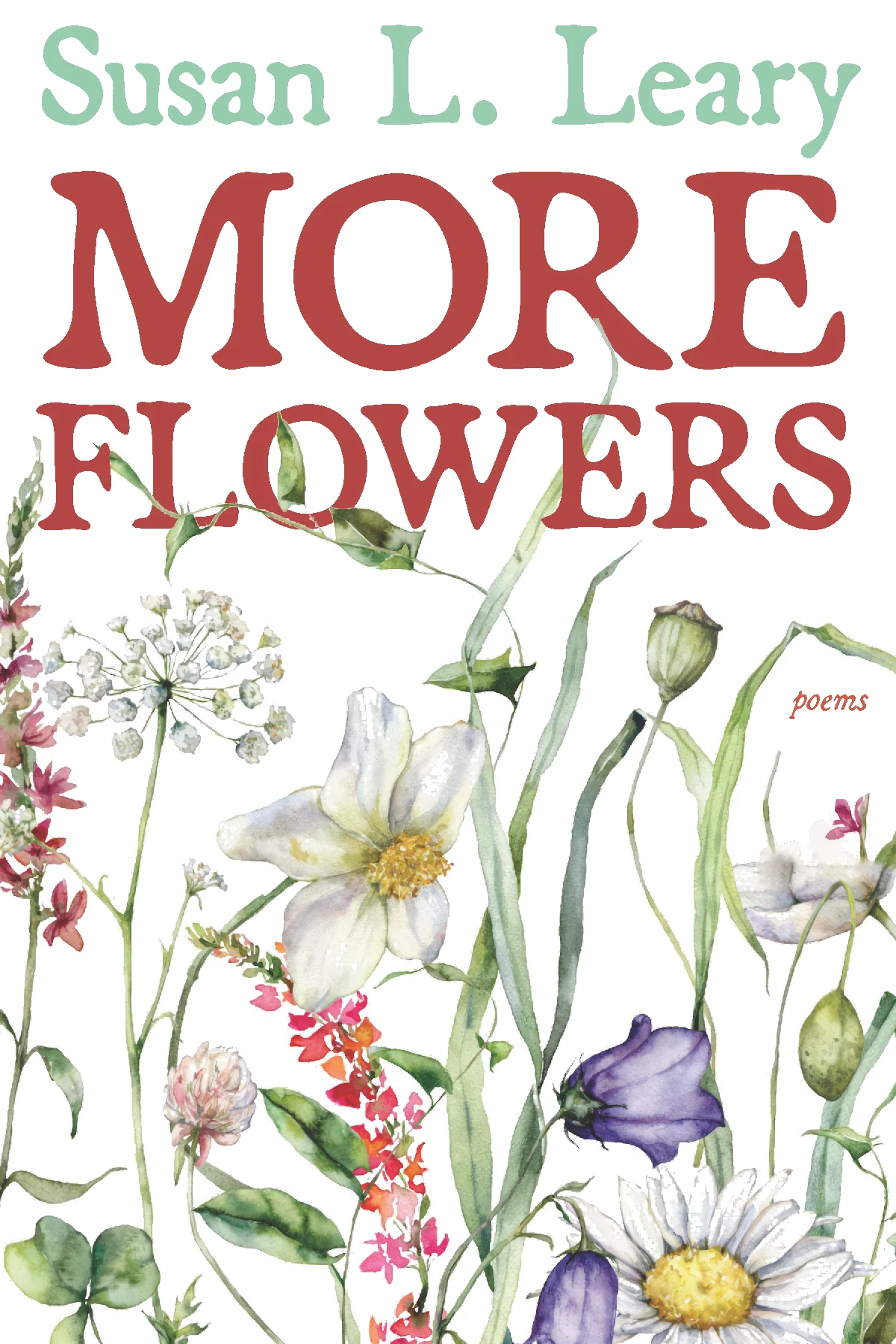
The Taxonomy of Girlhood: Review of Susan L. Leary’s “More Flowers”
More Flowers interrogates how patriarchal authority persists even in its absence, transmitted through maternal caretaking rather than overt dominance. While an authoritative male figure is not present, the mother still governs by his rule, passing down restrictive and traditional expectations…
-

Obliteration and Authorship: On Hamid Ismailov’s “We Computers”
Jon-Perse’s vision for computer generated poetry can be summed up as a kind of obliteration of the author.
-
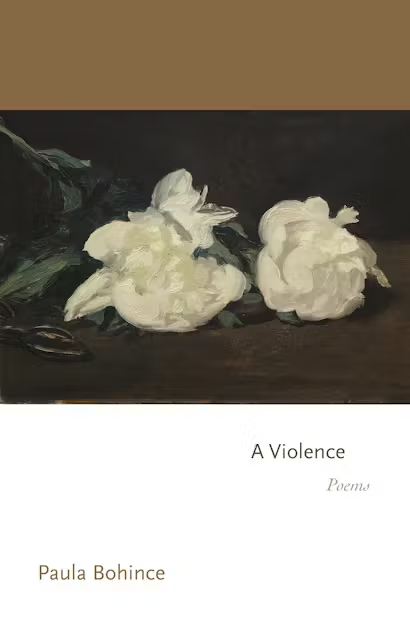
Meaning in the Ice and “A Violence: Poems” by Paula Bohince
Like silence, violence is not quantifiable. Put the indefinite article “a” in front of it and the monolithic world of violence shutters into a reflective surface of infinite, biodiverse fragments. What counts as violence?
-
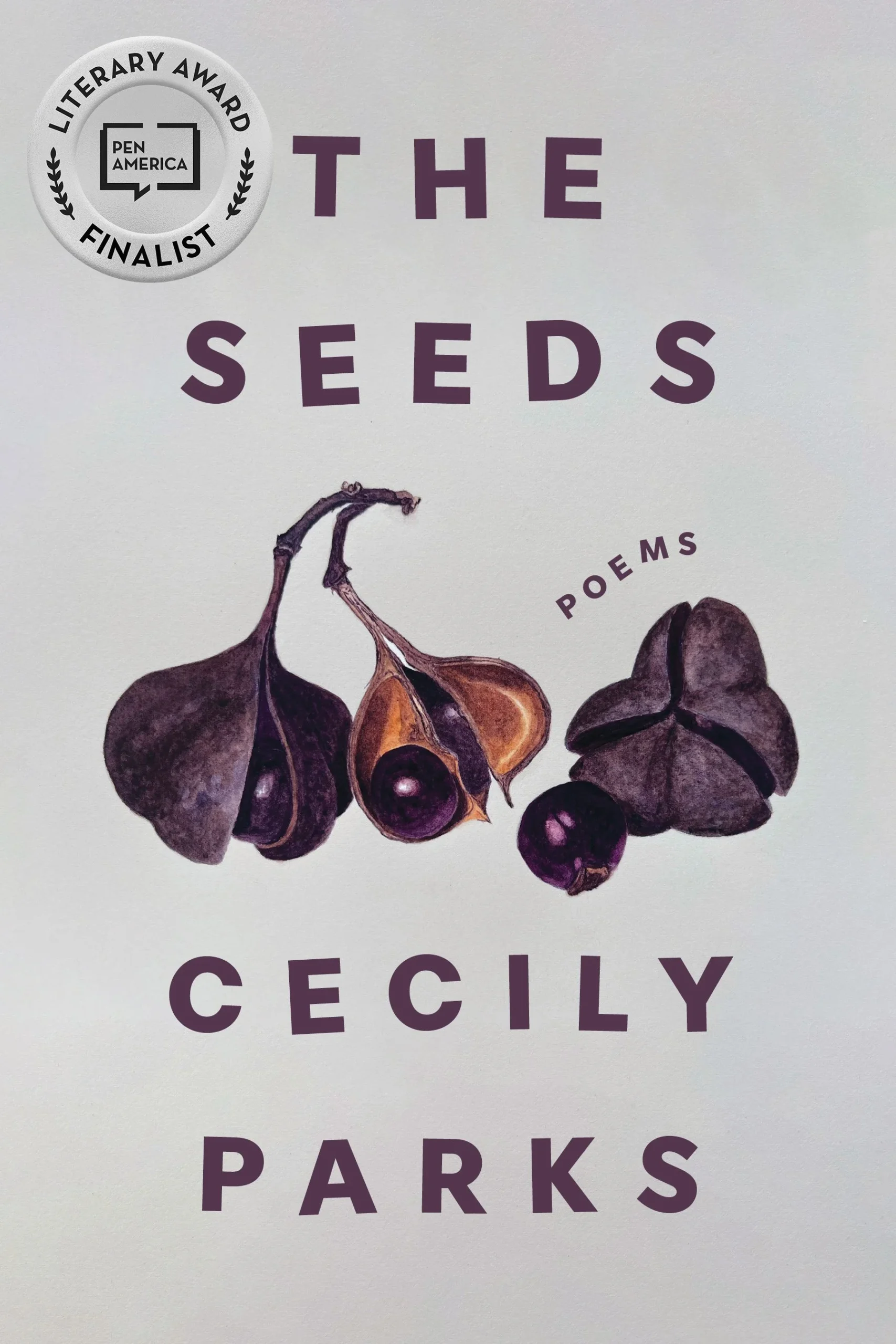
A Backyard of One’s Own: The Meticulous Ecology of Cecily Parks’ “The Seeds”
The incisive precision of The Seeds’s assemblage cannot be overstated: if the collection is an ecosystem, its sections and sequences are habitats, and each poem is a haunt. The poems are divided into five sections, bookended by a hackberry, and…
-
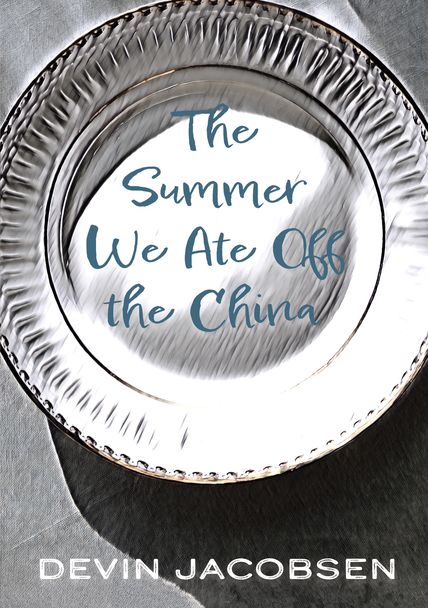
What Holds: Manners and Memory in “The Summer We Ate Off the China”
This refusal to treat trauma as singular or sacred, to set it apart from the texture of ordinary life, is among the collection’s quietly bracing achievements. Jacobson’s stories don’t deny suffering. But they do deny it the dignity of exception…
-
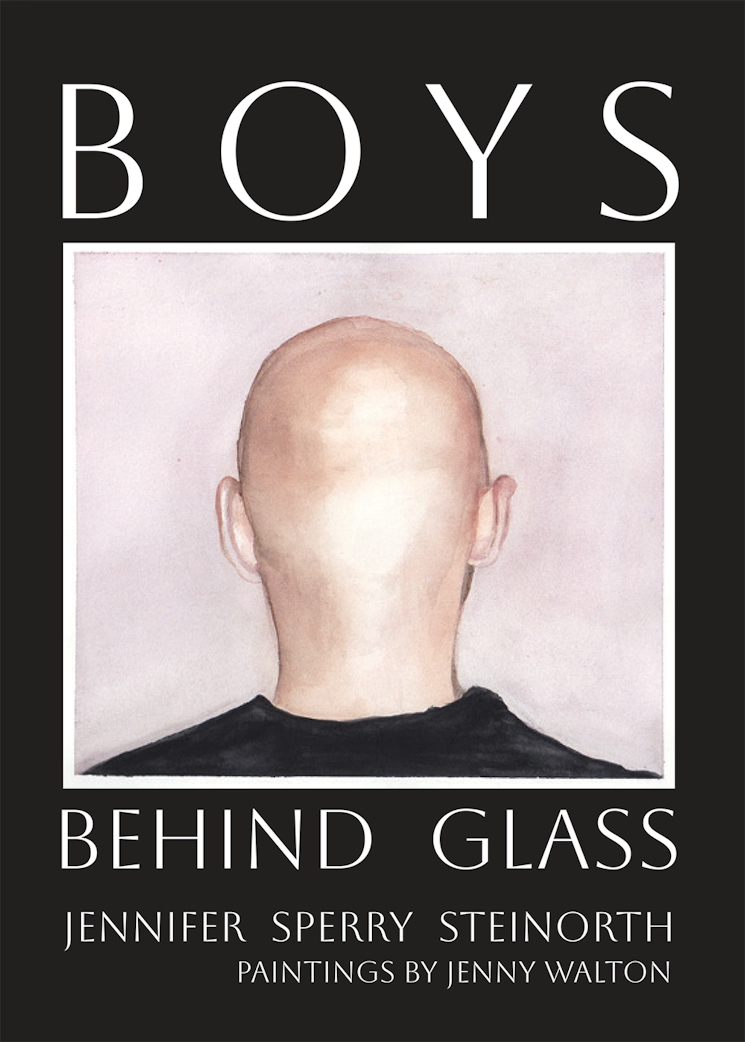
Review: Jennifer Sperry Steinorth’s “Boys Behind Glass”
This digressive style reminded me of a medievalist’s lecture I recently caught by accident—slipping into a nearly empty lecture hall, an unplanned digression of my own time. He was talking about the digressions in Beowulf, moments when the poem veers…
-
The Radical Joy of Being (Out) On the Road
Queer joy is something this book gives appropriately vast space to.
-
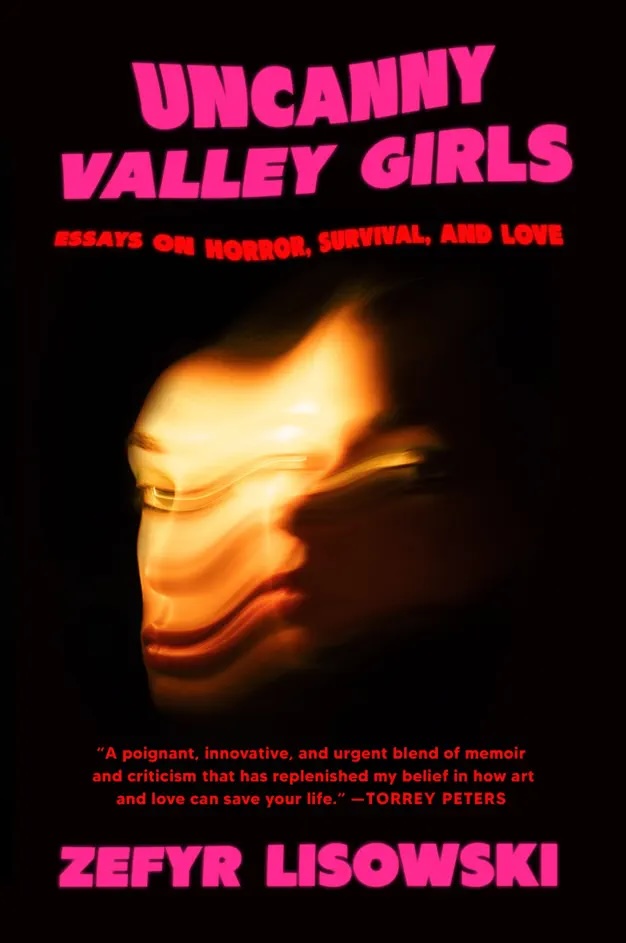
Horror as a Crucible for Connection in Zefyr Lisowski’s “Uncanny Valley Girls”
Horror is a genre of solitude
-
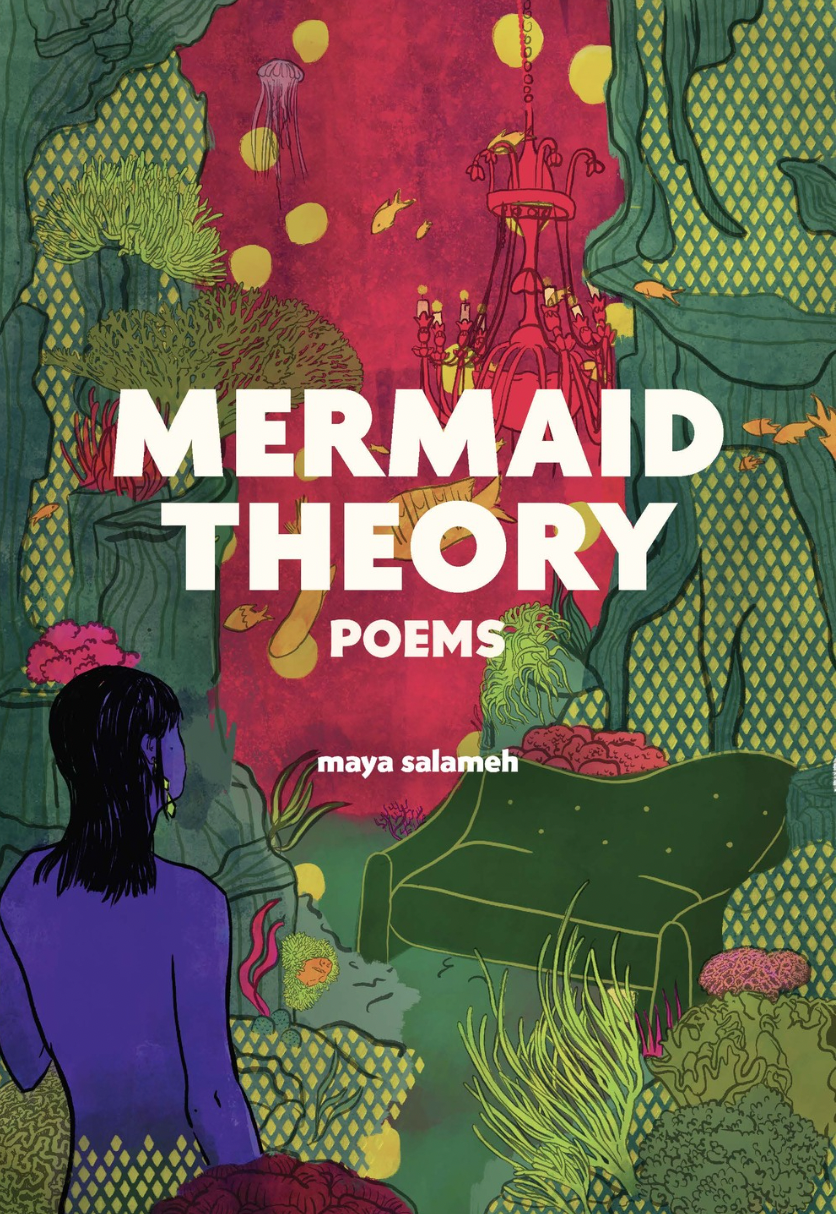
A Poetics of Water: Maya Salameh’s “Mermaid Theory”
It is this “shock,” this consistent disintegration, and the techniques necessary to stall it, that Maya Salameh so tenderly and precisely metabolizes on the page. Water is our earliest teacher, and Salameh shapes language like it. Salameh’s lyric feels familiar:…
-
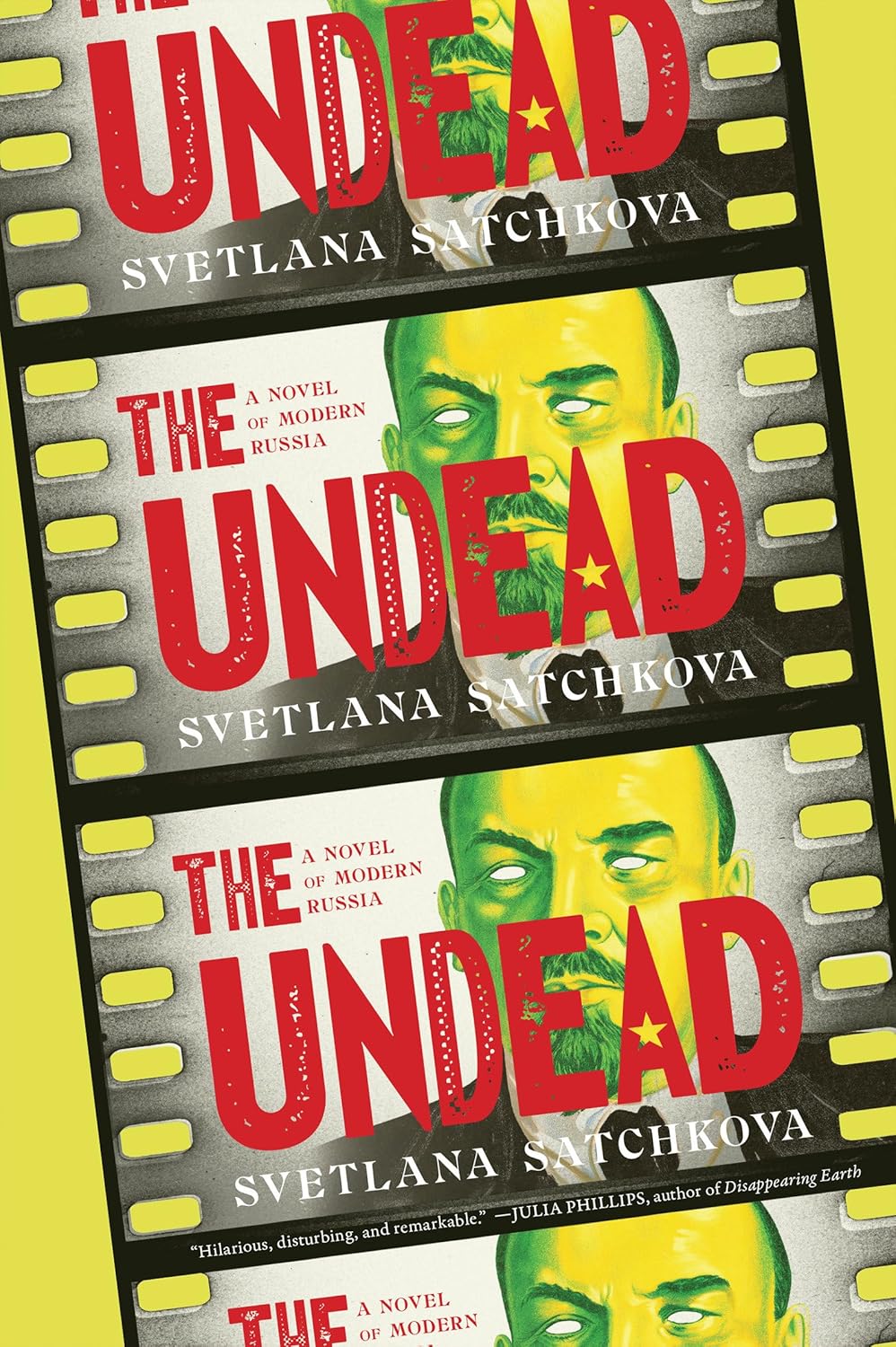
In “The Undead,” a filmmaker gets caught in the Kremlin’s dark games
Russia is a country full of criminals, yes—but also home to creative spirits who are drawn to the stage, page, or canvas to tell a story
-
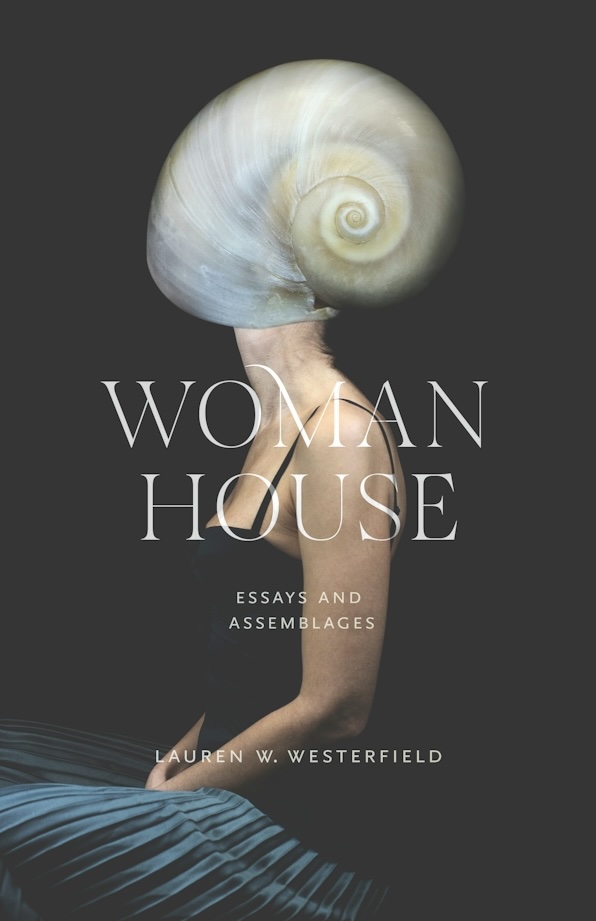
Seeking a Way In: :Woman House: Essays and Assemblages” by Lauren W. Westerfield
..the way virginity becomes larger than itself, something that marks the women who bear it as a kind of prey.
-
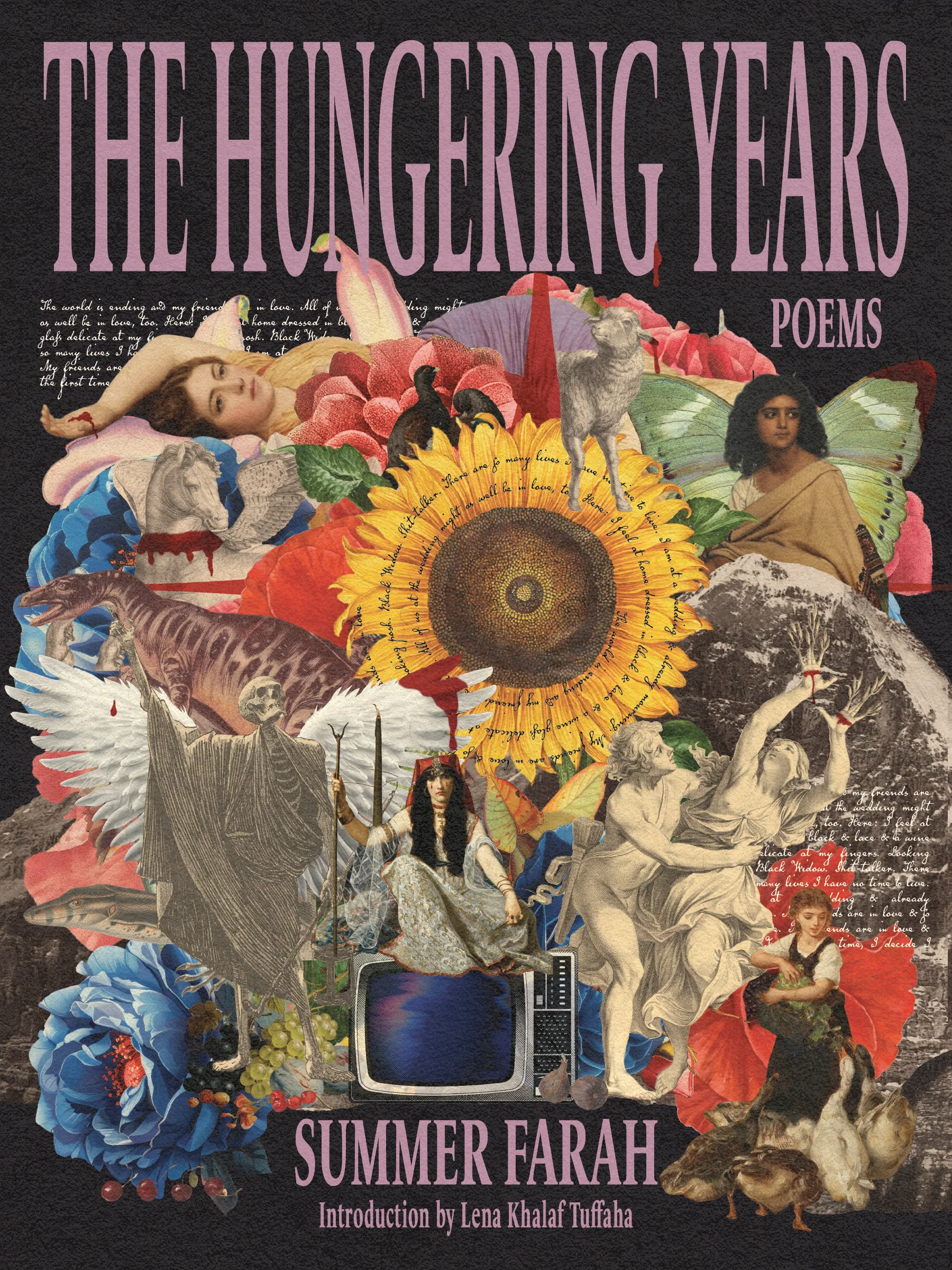
“a desire, a desire”: Appetite & Obsession in Summer Farah’s “The Hungering Years”
This repetition evokes an incantation, signaling the recursive and often reverent nature of the speaker’s desire. For Farah’s speaker—and for many living in diaspora—longing is an ongoing ritual, an inheritance. Ending the poem with a comma, Farah leaves the reader…