
Dean Rader
-
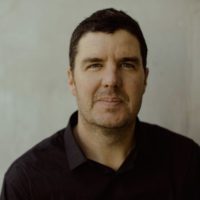
Rumpus Original Poetry: Three Poems by Dean Rader
Let’s admit it: we have all been vacillating between hindrance and drawback, / but that doesn’t mean our languor is our own.
-

Notable San Francisco: 8/9–8/15
Wednesday 8/9: The Center for the Art of Translation presents David Larsen discussing his translation of Names of the Lion by 10th century Arabic lexicographer Ibn Khālawayh. He will be joined by Stephen Sparks. Free, 7 p.m. Diesel, A Bookstore. maya simone, Eddie…
-

We Have Met the Maelstrom, and It Is Us: Dean Rader’s Self-Portrait as a Wikipedia Entry
Umbrellas are flimsy shelters from the maelstrom, and Rader keeps going because he can’t stop.
-

The Rumpus Interview with Edward Hirsch
Dean Rader talks with Edward Hirsch about his new book Gabriel, the pain of losing a child, and the challenges of writing grief.
-
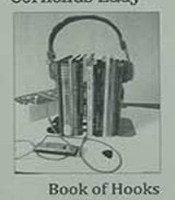
Barbara Berman’s Chapbook Roundup
Barbara Berman reviews chapbooks by Cornelius Eady, Susan Lewis and Dean Rader today in Rumpus Poetry.
-

Crossing State Lines: An American Renga edited by Bob Homan and Carol Muske-Dukes
I first discovered Renga: A Chain of Poems (Brazillier, 1972) in a used bookstore in New York during my first year of graduate school. I was transfixed.
-

The Day I Got Burned I Wanted to Be Burned
If you like Hayes, if you like little books, if you like political poetry, or, if you are like me and like all three, you’ll find this book compelling.
-

The Hokum of Her Clothes
[O]ne of Laux’s strengths is her willingness to break through those poetic walls so many of us construct. She seems to want no distance between herself and her reader.
-
National Poetry Month, Day 23: “Familiar” by Dean Rader
Familiar It was because my snot was frozen, it was because you spit out little chunks of H & H when I made that crack about the guy
-
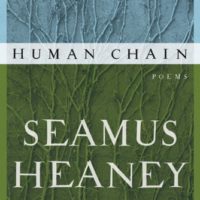
And Then Lapsed Ordinary
I found myself intrigued by all of the energy surrounding what people seem to be calling a renewed energy in Heaney’s work.
-
The Foreign Skin of the Familiar
What’s most delightful is how Rader balances the heaviness of that observation against the lightness of the characters of Frog and Toad. Absurdity and lyricism, humor and serious contemplation, bump up against one another in pleasing ways.
-

Hammer Is the Prayer of the Poor and the Dying
For [Christian] Wiman, form is the fire his feet are held to. It’s the syntactic embers that burn, the linguistic flames that flare. At no point does Wiman let the reader forget he is reading poetry.