
depression
-

Sylvia Plath’s First Tragedy
I don’t know whether it is a hereditary characteristic, but our little family is altogether too prone to lie awake at nights hating ourselves for stupidities—technical or verbal or whatever—and to let careless, cruel remarks fester until they blossom in…
-
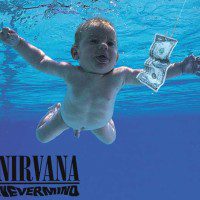
Albums of Our Lives: Nirvana’s Nevermind
The first time I listened to Nevermind, I sat on the bathroom floor with the liner notes and jewel case open on my lap.
-

The Rumpus Interview with Kara Richardson Whitely
Author Kara Richardson Whitely discusses her new memoir, Gorge: My Journey Up Kilimanjaro at 300 Pounds, surviving food addiction and the trauma of being molested, and what comes next.
-

The Rumpus Interview with Jennifer Michael Hecht
Poet, historian, and philosopher Jennifer Michael Hecht talks about Thomas Aquinas, Robin Williams, and her most recent book, Stay: A History of Suicide and the Philosophies Against It.
-

FUNNY WOMEN #127: Low-Maintenance
Hey eligible, employed, virile men of the world! Aren’t you sick of hot girls who are so high-maintenance… and don’t even realize it?
-
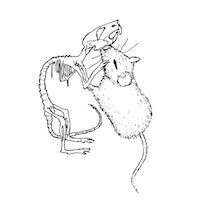
The Animals in My Home
I let the flame get low. I fall asleep before blowing it out. I know I shouldn’t, but in the moments when I wake from nightmares, I like the warmth the candle offers, despite the danger.
-

The Rumpus Interview with Elisa Albert
Elisa Albert discusses her new novel, After Birth, postpartum depression, childbearing, and the misogyny of modern medicine in pathologizing the normal processes of birth and the female body.
-
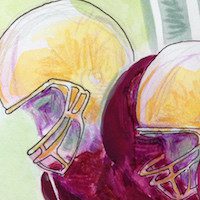
His Helmet Off, Raising It High
This was the most important moment of my life. I know it because after Number One died I started to realize I could kill myself too.
-
Word of the Day: Woofits
(n.); an unwell feeling, particularly in the head; a moody depression; c. 1918, from Nevil Shute’s The Rose and the Rainbow The archetype of the mad genius dates back to at least classical times, when Aristotle noted, “Those who have…
-

Beyond the Wishes of the Genie: Remembering Robin Williams
Williams is not free to “see the world” with a little brown suitcase in hand nor is he free to miss Aladdin or anyone else.
-
anhedonia and Hypertext
Depression is often marked by this type of absence—loss of pleasure, loss of energy, loss of meaning. It is frequently described as a type of nothingness, and while that nothingness is something, it can elude usual means of communication.
-
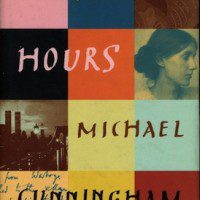
The Last Book I Loved: The Hours
Depression has a peculiar texture: sometimes, rather than sadness, it is an emotional flatline; the sneaking suspicion that you are play-acting.