
neuroscience
-

Your Brain on History
For the Los Angeles Review of Books, Larry S. McGrath writes about the growing role of neuroscience in writing new historical narratives. McGrath frames this discussion in a review of historian Lynn Hunt’s Writing History in the Global Era, looking…
-
Oliver Sacks: Scientist, Seer, Sympathizer
Oliver Sacks brought neuroscience closer to popular understanding and in turn, brought people closer to each other. At The Toast, Laura Passin’s thoughtful tribute to Sacks by way of memoir: What he conveys in so many of his great case…
-
Brain Training
Great news for avid readers! It turns out that intense reading is good exercise for your brain. Over at Open Culture, Josh Jones writes about a study by Michigan State University Professor Natalie Phillips, who compares the brain activity of participants…
-
Weekly Geekery
Klingon: Where intellectual property and language collide. One of us. One of us. One of us. One of us. One of us. Poverty is all in your head. Really. After this expose, they are going to need an even darker net.…
-
Weekly Geekery
Vindicating psychiatry. The science of learning to read. Philip K. Dick warned you, but you didn’t listen. This robot can date for you. Love all over the world via Twitter. Studying social engagements and the marriage ones too.
-
From Metaphor to Consciousness
Neuroscientists are examining metaphors and finding that they’re essential to language. Modern brain scanning has allowed scientists to look at brain activity as the brain employs metaphors from language. What has been found is that the brain interprets metaphors literally.…
-
Weekly Geekery
The marriage of metaphor and your mind. Coming to terms with Nothingness. The revealing science of word choice. Time-lapse video and how we document the world around us. The words of the future.
-
The Muse or the Devil
In a daily feature about “books, publishing, and the occasional author behaving badly,” NPR’s Two-Way blog linked to our interview with Oliver Sacks about his latest investigation of extraordinary neurology, Hallucinations. Thanks, NPR! We love you back!
-

The Big Idea: Oliver Sacks
To celebrate his 80th birthday, The Rumpus sits down with neurologist and writer Oliver Sacks to discuss his latest book, Hallucinations, and the relationship between hallucinatory experiences and the imagination and creativity.
-
Is Neuroscience the Future of the Humanities?
As science and technology dominate our lives more and more each day, those of us in the humanities find ourselves increasingly on the defensive. One way to demonstrate the humanities’ relevance is with neuroscience. Brain scans not only show us…
-
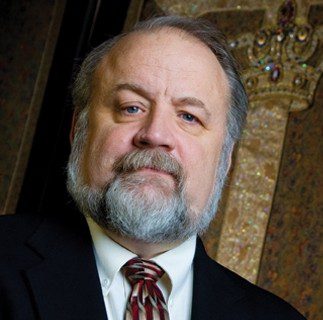
The Rumpus Interview with Dr. Gary Habermas
Dr. Gary Habermas, a near-death experience expert, discusses the scientific evidence behind stories of those who have died—and have subsequently returned.