
poetry
-

Listening to Tao Yuan Ming by Dennis Maloney
Julie Marie Wade reviews Dennis Maloney’s Listening to Tao Yuan Ming today in Rumpus Poetry.
-

“Throw Something Down Hard Enough, You Discover Its Laws”
Maybe my faith that the profoundest feeling we’re offered by art that really hits us deep in is a setting free, a series of screens or horizons obliterated somehow lovingly.
-
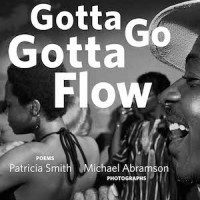
Gotta Go Gotta Flow by Patricia Smith and Michael Abramson
Alicia Swiz reviews Gotta Go Gotta Flow by Patricia Smith and Michael Abramson.
-

The Saturday Rumpus Interview: Christina Stoddard
These are things we don’t talk about and I’m here to talk about them. You will either come along with me on that—or not.
-

Poetry and Plants
A tour through Rumphius’ work is a masterclass in the poetry of the concrete noun. His shells bear names like Little Dream Horn, the Prince’s Funeral, Peasant Music and the Double Venus Harp. Atlas Obscura tells the story of Georg Everhard Rumphius (no…
-

The Wise and Foolish Builders by Alexandra Teague
Allison Donohue reviews Alexandra Teague’s The Wise and Foolish Builders today in Rumpus Poetry.
-
Writ in Water
John Keats died on February 23rd, 1821. The Paris Review muses on the death obsessed poet’s life, and what he cryptically requested be written on his tombstone: Here lies one whose name was writ in water.
-
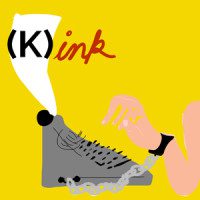
(K)ink: Writing While Deviant: Carina Finn
BDSM, like writing, can be so self-serious. By letting go of my formal commitment to both, I found ways to release my expectations, and as a result, let them back into my life in healthier and more fulfilling ways.
-

All the Poems by Stevie Smith
Barbara Berman reviews Stevie Smith’s All the Poems today in Rumpus Poetry.
-
Of Boston and Poetry
But any poet today who shared Longfellow’s taste would be laughed out of the room. He wanted heroism; we want the ordinary. He wanted grand dramas; we want insightful understatement. He wanted music; we want images. Over at the Ploughshares blog,…
-
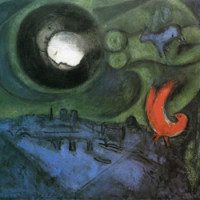
David Biespiel’s Poetry Wire: Texas Roses
It’s a matter of self-composition: Keep concentrating, type faster—take a breath and hold it—and do it again.
-
Ben Lerner’s First Time
If you’re referring to a bomb as a daisy cutter it’s easier to distance yourself from the embodied reality of the consequence of a policy. The Paris Review talks with Ben Lerner about his first book of poems, The Lichtenberg…