
Sean Singer
-

When I Go Outdoors, Light Splits
The poems in This Noisy Egg are always engaging and hold the reader’s attention, but they do not feel un-tethered or dangerous. Reading them, I had the sensation that there was little room for what Stanley Kunitz called “wilderness,” the…
-

Dead Ahead
Doller’s facility with language, and his wheeling imagination, which pushes language into fresh directions, never ceases to delight the reader.
-
National Poetry Month: Day 4. “We Will Never Learn” by Sean Singer
We Will Never Learn Where have these disappeared to, the green ones? Tongues against the darkness are seething.
-
The Ancient Book of Hip
The poems in The Ancient Book of Hip create a precise and evocative description of time and place; they celebrate that space, even as they have a witty undercurrent of critique.
-
Crimson Colored Raunchiness and Terror
Taste of Cherry is a beautiful, carefully crafted, and sensual display of poetry; the verbal, pyrotechnical, unabashed bravery of the poems is their most significant quality.
-
Take Dead Aim
Aim Straight at the Fountain and Press Vaporize is ambitious and clever. By turns entertaining, fascinating, and charming, it is also monotonous with its adolescent charm and fluorescent insistence.
-
A Badass Biker Poet: Thom Gunn
Gunn’s work is imminently teachable in the form of Selected Poems, but it is derived from a world that now no longer exists: the Metaphysical poets drawn through the intermingling bodies of the Summer of Love: biker leather, drug haze,…
-

“Inch of ocean, pinch of face”
Like the razor-edged minimalism of Robert Creeley, the rich ontology of these poems, where the content and form eloquently match, communicates carefully into the reader’s memory.
-
Sean Singer: A Poem I Love
Melvin Dixon’s “Spring Cleaning” Melvin Dixon died of AIDS in 1992 and is one of our most underrated poets. “Spring Cleaning” alludes to what Ralph Ellison called “the jagged grain,” the texture of experiencing the blues in one’s life. Dixon,…
-
More Than Just a Tussle
Skirmish kneads the world’s dough through peculiarities that maintain the engagement with strangeness and the fortune of language, both as a path to richness and to predicting what will be.
-
They’re Called Cells for a Reason
A review of Micrographia People don’t read enough, and when they do, they don’t ask the questions of themselves that Micrographia demands.
-
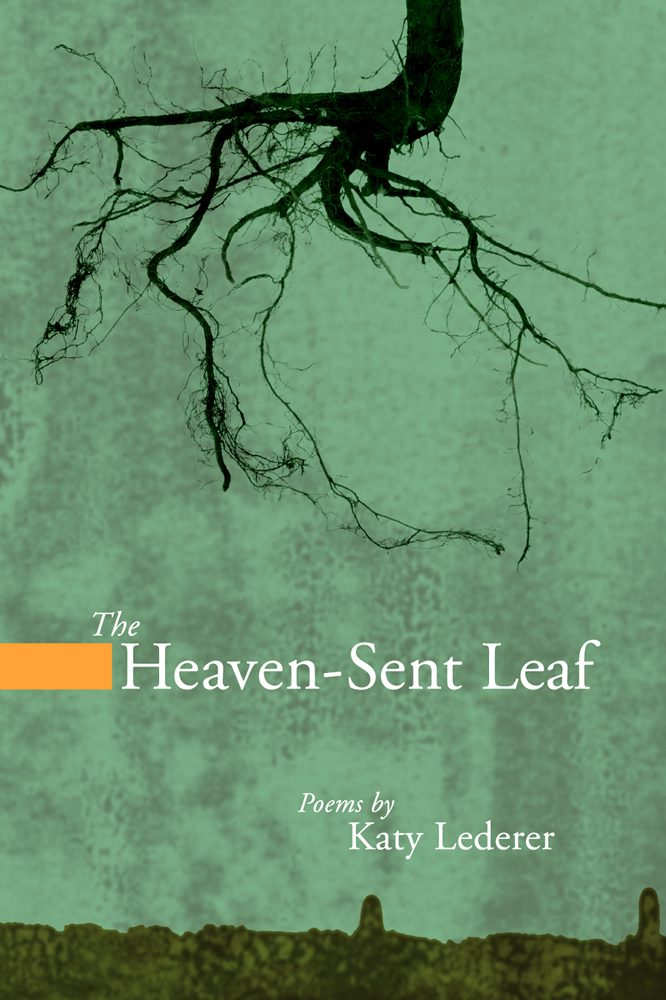
Poems for an Economic Collapse
Katy Lederer’s poems are both romantic and political in nature. With their attention to formal and lyrical concerns, these poems tackle the problems of desire when it coincides with money and passion.