Open your eyes; it’s morning. Your body feels different today. You sit up and blink a few times. Still tired, still sleepy. You reach out to wake your husband, but he isn’t there. The pillow beside you feels cool. He’s started his day without you again. You’re surprised at how cold the floor is when you get out of bed. You push the curtains aside, and harsh sunlight floods the room. Everyone is coming home today, and you curse yourself for oversleeping. In the bathroom, you lean over the sink, straining at your reflection. New lines around your eyes and the corners of your lips. The skin below your chin sags. You count the spots on your face. Four, five, six. Some near your temples. Some along the ridge of your nose. Deep brown, like the color of rich soil. Gray-black, like monsoon clouds. Some of your hair is still black, but hidden between the silver and white. Your jaw is sore and tight. Cold weather makes you feel this way. It’s too cold for the summer.
A little after eight-thirty, you leave the house. It’s a special day today. Everyone’s coming home. First time in years the whole family will be together. Your husband, now retired, dedicates most of his time to restoring an old motorcycle that once belonged to his late father. Your son and daughter-in-law are arriving from Kolkata with their baby. And your daughter, who has been in America for almost a decade, is moving back to Bangalore. You carefully chose the menu for lunch. Tomato rasam, fried potatoes, sautéed French beans, and rice—the family favorite.
It’s a short walk to the market. You pull out a handkerchief and dab your forehead—so cold and bright outside. Rows of fruit and vegetable vendors are seated on either side of the street. The man you prefer to buy from is always kind to you. He adds a few extra carrots or a bunch of curry leaves for free. Always fresh. Unlike some others, who kept the good stuff at the back under a tarp. Not this man, though. When he sees you approaching, he calls out, “Ma! I have some fresh brinjals today! I’ll give you one. Try it. Very good price for you!”
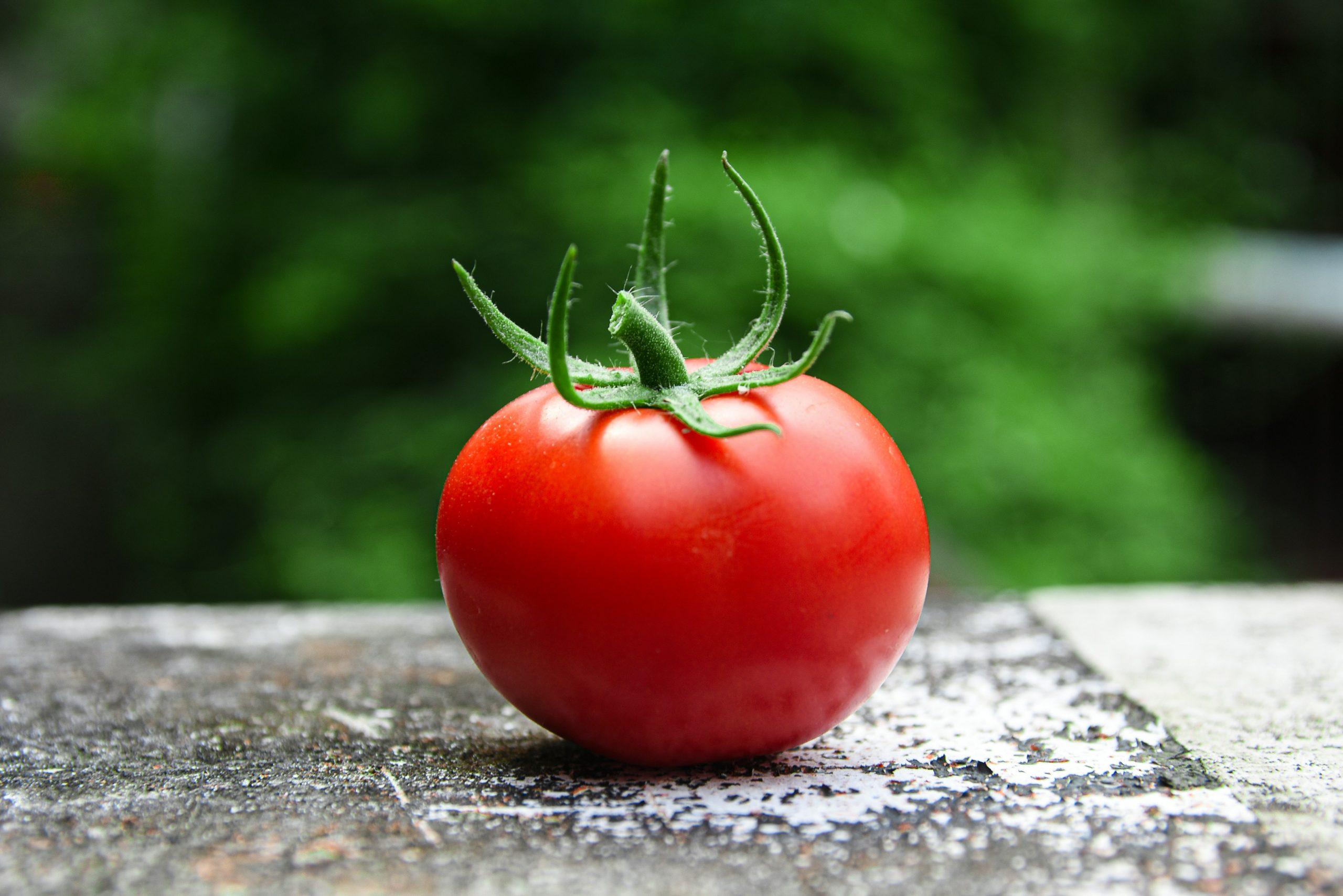
You shake your head. “I’m in a rush today. My daughter is returning from America, first time in four years! She doesn’t like brinjals,” you tell him. “Give me one kilo of tomatoes, French beans, and potatoes. Do you have any coconut?”
“Yes! Yes! Full of water. Very sweet too. Best price for you, ma! But you’re sure you don’t want brinjal? Some gobi?” The man holds out a large head of cauliflower. You shake your head. “No, no. My son doesn’t like gobi,” you tell him. It has a weird smell; he’d say that every time you cooked them. The man doesn’t try to sell you anything else. He weighs the produce and adds an extra tomato until the scales are balanced. He hands you the bag with everything you asked for. You dab your face again.
“So cold today, but I’m still sweating,” you say to him. He looks at you, concerned, then shrugs.
The weight of the bag slows you down. Your shoulders droop. The bottom of the bag scrapes the sides of your feet. Dust from the street settles on your toes. No time to stop, you tell yourself. You raise your arm and wipe your forehead on your sleeve. You can see your apartment building a few feet ahead of you. By the time you reach the gate, you’re winded.
“Do you need some help, ma?” You look up and see a small man coming towards you. You’ve seen him a few times in the elevator in the past, but you’ve never spoken to him.
“Thank you! My children are coming home. First time in years.”
“That’s nice.” The man smiles at you.
“My grandson also. He is two now!” you continue. “It’s a special day today.”
You fumble with your keys for a moment, and they drop to the floor. Aiyo, Rama, you’re so clumsy today. You thank the man and go inside. You set the bag of groceries on the counter. Nine fifteen already? No time to waste.
You cut the tomatoes in half and place them in a container. A few minutes in the microwave to soften them up so you can peel the skins easily. In the meantime, you set the cooker with toor dal and rice, wash the French beans, and start dicing them. Halfway through, the knife slips from your hand and falls beside you. Oh, Rama, you sigh and shake your head. Your palms are sweating, and you’re out of breath. Strange, hot and cold day, you think as you pick up the knife and wipe your hands on your salwar.
An hour later, you hear your phone beep. Just landed, on my way now. Will be home by noon, your daughter said.
Okay, magu, you reply.
Appa said your BP was high again last week. Are the new meds not helping? she asks.
Your father worries too much. I am fine! You’ll see. I am making your favorite today.
A few minutes later, a new message flashes on your screen. This time, it’s longer and from your son. He writes: Amma, are you sure you’re feeling alright? You sounded tired when we spoke last night. Please don’t do too much today, okay? Even Dr. Nirav said you need to take it easy. We can order in today or go out in the evening. Please promise you’ll rest until then?
He’s right, Ma, your daughter replies. Maybe we can go to Vidyarthi Bhavan for dinner?
You stare at your phone for a second. Despite wanting to reassure them, you hesitate. You come close to telling them about the headaches, the joint stiffness, and the peculiar feeling in your body today. Instead, you simply say: Don’t worry, kanna. Everything is ready. Just come home safe.
Two hours to go. Enough time to get everything ready. A large pot of dal and puréed tomatoes comes to a rolling boil. You drop in a handful of curry leaves, a dash of jaggery, and tamarind extract. You open the box of spices and carefully measure a combination of red chili powders—Kashmiri Lal for the color, Tikalal for the heat, turmeric, and a blend of rasam powder you made earlier that week. In seconds, the rich aroma of spices fills the apartment and settles on your clothes. You smile as the rasam turns from a dull pink to a bright, persimmon orange. All that is left now is the tempering.
Your fingertips are still clammy. You flick on another burner and place a stainless-steel ladle on it. You rub your palms together over the stove. Hot in the kitchen, but your fingertips are cold. Funny how the body works sometimes. You add the oil, cumin, and mustard seeds. Is this what the doctors meant during your last visit? After sixty, you are more likely to have chronic or ongoing health issues, they had said. Monitor your blood pressure every day, they said. Then something about women not knowing when they have a heart attack.
You hear the seeds crackle and twitch and drop them into the pot with a satisfying hiss. You think of your children. How excitedly they burst through the door after school. How they waited by your side till you finished tempering the food, trying to catch the aroma with their little hands. So many years ago. The memory of them clambering over the table for more fried potatoes and rice softens your body.
You walk to the garage and call out to your husband. He doesn’t respond. You push the door open and see him crouched beside the old motorcycle. A dirty rag hangs over his shoulder, and he mutters to himself. You remember when he had just retired, how restlessly he walked around the apartment with nothing to do. Why not start a new hobby, like reading? No. Gardening? No, took too long for things to grow. A lot of waiting. He didn’t like that. Annoyed, you suggested he sell whatever they no longer needed in the garage. That’s when he decided he would restore his father’s old motorcycle, Luna. It kept him busy and out of your hair. In a week, your marriage fell back into a comfortable, quiet lull.
It’s almost noon. Time to set the table. You think about asking your husband for help, but when you hear him humming to himself as he tinkers with the machine, you walk back inside. Your husband will sit beside you. Your son and his wife will sit opposite with a feeding chair for the baby between them. You recall how the infant refused to sit anywhere else in the past. Your daughter, you decide, will be at the head of the table. This is your favorite part. You unroll a saffron and gold table runner, ensuring it is precisely in the center. You then place five mats for each family member and a smaller one, with an elephant you embroidered yourself, for the child. On each mat, you place a large thali, each containing three small cups and a glass of water to the left. You bring the pot of rasam, making sure it is within everyone’s reach, along with the containers of rice, beans, potatoes, and homemade yogurt, in a circle around the large pot. You take a step back and look at the table. It looked inviting, but something was missing.
You bring out a jar of mango pickle, your son’s favorite, and lean against the fridge for a moment to catch your breath. When he was a child, the boy refused to eat his food without pickle, a habit he carried into adulthood. Two things he couldn’t do without during mealtime—mango pickle for a bit of heat and tang, and a cup of dahi and rice to cool the stomach. You step back again. Perfect.
Everything was ready, and just in time, too. It is five minutes to noon; you can finally rest now and wait for everyone to arrive. You walk to the couch, which seems so far. So tired. Sweating again on this strange, hot and cold day. The breeze from the open window feels like velvet on your skin and then like ice. You hold your phone close, ready to answer if they call. Ready to rise and open the door. Ready for the reunion you’ve been waiting for so long. You glance at the table once more, remembering all the mornings like this one—the sounds of laughter, the small hands reaching for more potatoes, the quarrel over dessert that lasted a week, the year no one came home at all. You feel it now, underneath the tiredness: everything is in its place.
You lie back, breathing slowly, deeply. Excited. Exhausted. The weight of your phone feels different now, like a strong ocean current trying to rip it from your hands. You’re straining to hold on, breathing harder, and it slips from your fingers and falls to the floor. The pain moves up your back to your neck, your arms, and your shoulders. You call out to your husband, but your jaw won’t move. Your legs are stone. You can’t see either. Then, just as the doorbell rings, your head rolls to the side, and a long, final breath escapes your lungs.