Poetry
-

Rumpus Original Poetry: Three Poems by Todd McKinney
Of course, it’d be wonderful to have / the Southern Hemisphere back.
-

Leave what you can, take the rest: An Interview with Idra Novey
Every day you have to abandon your past or accept it, and then, if you cannot accept it, you become a sculptor.
-
A Worn Violence: On Gabrielle Bates’ Judas Goat
[T]here is a speaker who will simply persevere, who will, like “the heart trying to leave the chest,” keep going, and by keeping going, will tend always, though it’s sometimes hard, toward human connection. Toward love.
-

Rumpus Original Poetry: Two Poems by John A. Nieves
Balladeer Quatrains This slant-ass love song is for six storeys of cement and light and how it held every portable us blanket-swaddled against scattering. This is for the width of its spaces, slope of its ramps, the…
-

RUMPUS POETRY BOOK CLUB EXCERPT: WHY I WRITE LOVE POETRY IN A BURNING WORLD by Katie Farris
Our April 2023 Rumpus Poetry Book Club selection is Katie Farris’s Standing in the Forest of Being Alive
-

The Freedom of Form & Re-Entering Myths: An interview with A.E. Stallings
Our lives may seem to be lived on the small scale of the everyday but, because we are mortal, because ultimately everything is at stake, also play out against something universal and important.
-

Yearning and Wandering: Tiff Dressen’s Of Mineral
The earth is fertile ground for seeking one’s roots and connection to others.
-

The Person Is Not The Body: An Interview with Rushi Vyas
I think, as writers, we only have so much choice. Obsessions emerge from our lived experience.
-

From the Archives: Rumpus Original Poetry: Three Poems by Luther Hughes
About storms, truly, what did I know?
-

ENOUGH: Power Dome
Women just need to live / inside a geodesic dome / powered by male rage; / the angrier they get / the safer we’ll be
-
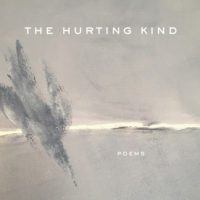
Clearing the Bar with Care and Complexity: Ada Limón’s The Hurting Kind
The Hurting Kind’s epigraph, a quote from Argentine poet Alejandra Pizarnik [implores] us to “Sing as if nothing were wrong. / Nothing is wrong.” When we read Limón, we can almost believe that.