
Features & Reviews
-

A Brutal Look at Black Girlhood: Bethany C. Morrow’s Cherish Farrah
Farrah’s not a “good” victim, but does that mean she’s not a victim? More importantly, is she allowed to be both a victim and an offender?
-

Safety in Obscurity: An Interview with Jade Lascelles
Conversation and curiosity are essential to keeping momentum in this journey of resistance
-

The True Story of Six Misdiagnoses: The Rumpus Interview with Sarah Fay
Not all of us are going to heal well.
-
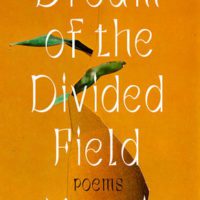
Quiet Revolutions: Yanyi’s Dream of the Divided Field
The speaker leaps—across the vastness of the divided field, graced with old bodies, discarded relationships—and lands.
-

Memory Re-Drawn: Julie Doucet’s Time Zone J
Fish swim out of a head of hair, menstrual blood rains down, anonymous faces smirk: The comics of Julie Doucet have always been subversive, sly, and honest.
-
Positive Tension and Unstructured Time: A Conversation with Courtney Maum
. . . we wake up in human bodies every day and move forward with our lives, but every second of the day we’re thinking ahead, we’re thinking backward. Unfortunately, we’re rarely in the present time.
-

Sketch Book Reviews: The Red Zone by Chloe Caldwell
An illustrated review of THE RED ZONE by Chloe Caldwell.
-

From the Archive: The Rumpus Interview with Jade Sharma
Jade Sharma discusses her first novel Problems, the complicated feelings that came with debuting to rave reviews, and her writing and editing processes.
-

Making Magic in New York City: A Conversation with Emma Straub
I’m trying to move into my Ina Garten years. Hydrangeas. Cocktails. Let’s see if I can fall into that sometime this decade. Want to come?
-

Just An Ordinary Apocalypse: Sasha Fletcher’s Be Here to Love Me at the End of the World
The radiant engine of this novel is neither plot or character but rather the thick bundle of arcs and associations working in tandem: angels and birds, wolves and castles, unions and debt, seasons and wine and cooking and love.
-

Reverse gentrification of the imagination: A Conversation with Cleyvis Natera
When I’m reading books that work within fantastic traditions, I find they’re able to hold more truths simultaneously and give me, as a reader, room to contemplate social justice and political issues and come to my own understanding of what’s…
-

Teaching the Ineffable: Learning to Pray by Yahia Lababidi
. . . in the end, the poem is its own witness to something indefinable with which the poet is engaged. Whatever the poet thinks it is, the poem itself is the vehicle, the container, describing itself and gesturing beyond…