
Features & Reviews
-

The Trap of Domesticity: Mieko Kanai’s Mild Vertigo
Between a stream-of-consciousness-inspired prose, image patterns, and consistent pivots of thought, Kanai establishes the most surprising thing about this novel: its ability to make the vertiginous hypnotic.
-

“A Mirror and a Window”: A Conversation with Jiordan Castle
I think the older we get, we change, but we still love what we love. We still have the same little shames and little happies and all these things that make us us from when we first started becoming whoever…
-

Writing the Emotional Stakes of the Mundane: A Conversation with Alexandra Chang
As a writer, I really like working with constraints and getting to play with different structures, voices, moods, and characters. The simple fact that short stories are short gives me all of that.
-
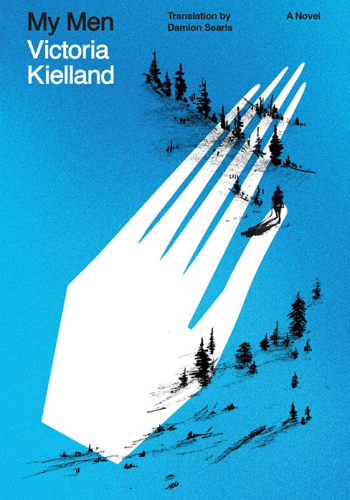
The Mind of a Female Killer: My Men by Victoria Kielland
But while Cather’s eponymous Antonia rises above rumor and gossip through resilience, optimism, and an irresistibly endearing authenticity, forging happiness on her own terms, the story of Kielland’s Belle is alternatively uncomfortable and haunting.
-

The Poems Are a Part of How I’m Living: A Conversation with Edgar Kunz
The poems help me to see that, for the most part, I’m just doing my best, even when my best isn’t very good and I’m confused and flailing around.
-
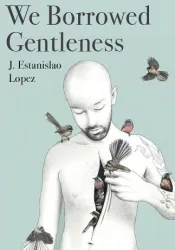
Reveling in the In-Between: J. Estanislao Lopez’s We Borrowed Gentleness
This humor, fresh in its irreverence, is welcome alongside other poems that read darker and more cynical as they grapple with survival and death.
-

Quietly Magnificent: A Conversation with Christine Sneed
On DIRECT SUNLIGHT, the alchemy of titles and first lines, teaching, kangaroo humans, The National, and more.
-
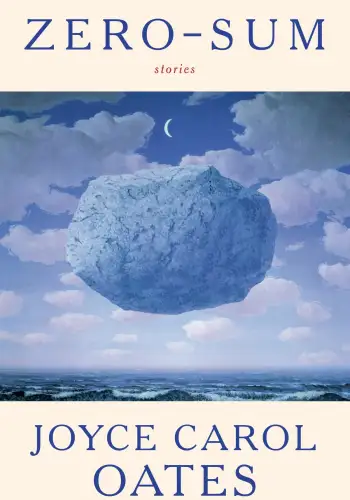
A Ratio of Give and Take: Joyce Carol Oates’s Zero-Sum
Here, what is given, what is taken or refuted, what is owed engenders the myriad methods her characters use to shift responsibility or culpability away from themselves and onto others.
-
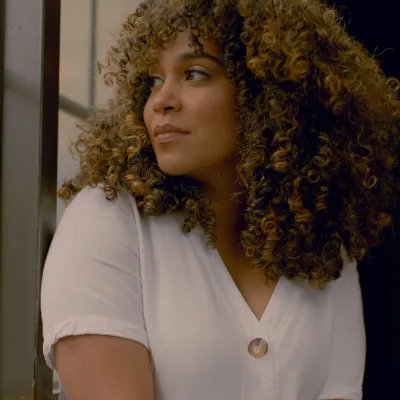
Allowing Space for What Isn’t Said: A Conversation with Elizabeth Acevedo
I have to know all the jokers they hold in their hand so I know how they would play or hold them—and I think it’s that level of intimacy I’m constantly trying to learn as I write.
-

Letting in the Light: A Conversation with Ana Maria Spagna
Remember: you are not the only voice. You are not even the decider of what’s true or not. You are the conduit for many perspectives. Maybe through these many perspectives readers can triangulate some semblance of truth. That, to me,…
-

Morally complicating your world view: A Conversation with Steve Almond
With fiction, you’re trying to get people emotionally attached to your characters, not to learn a lesson. Ideally, [readers] get emotionally attached to the characters and those characters’ experiences leave them, in the end, feeling more than they did before.
-

In Ardent Defense of Intellect: Susan Sontag’s On Women
Sontag parses out how women were—and are—patronized, idolized, romanced, and discarded based on proximity to their perceived expiration date, whereas men age without the same discrimination.