
Features & Reviews
-
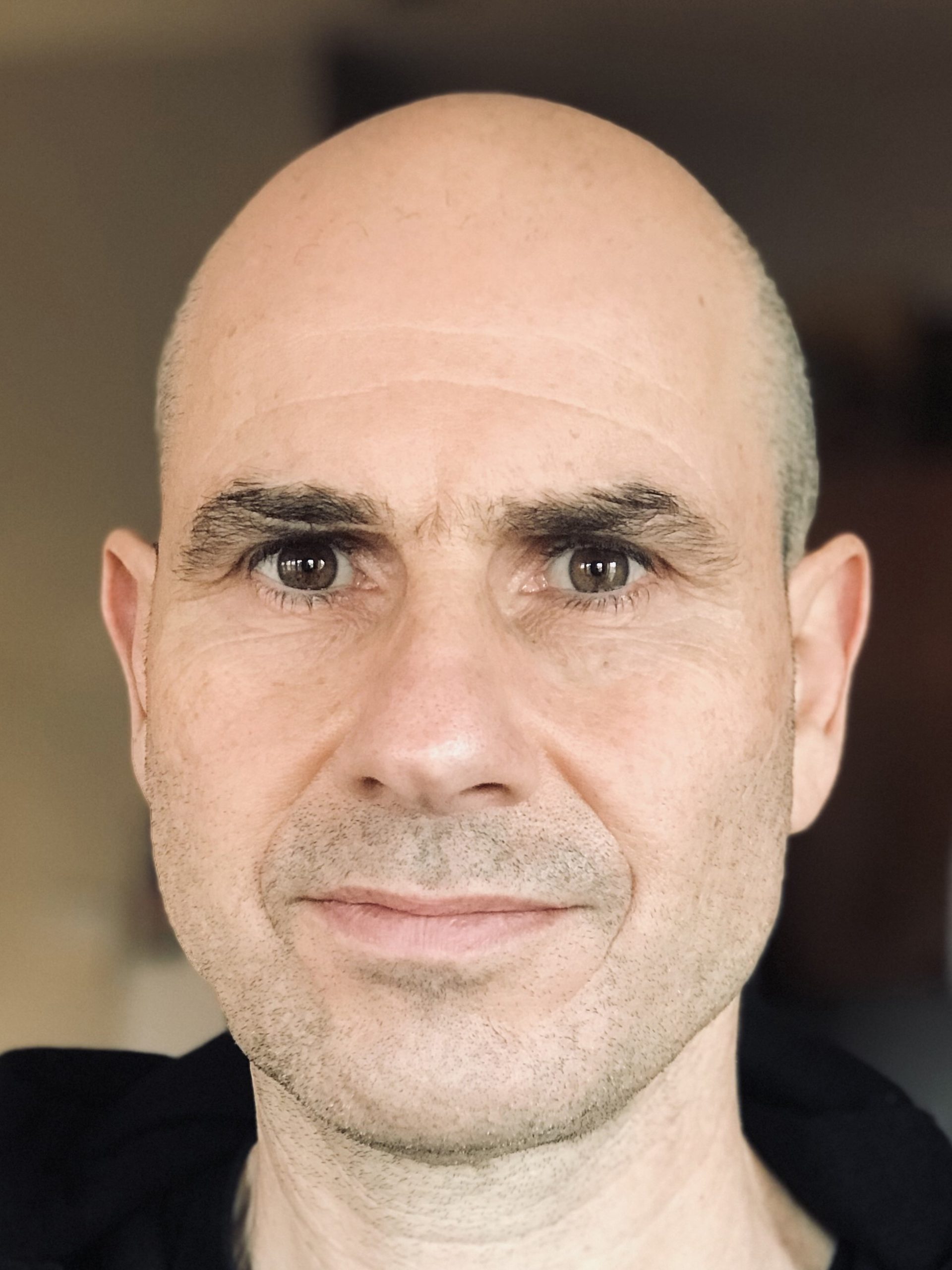
The Crumbling of a Porous Life: A Conversation With Naeem Murr
“For a character to really come to life on the page they have to retain a kind of mystery for you as a writer. Of course, there are some characters who are much more flat, who are comic, or just…
-
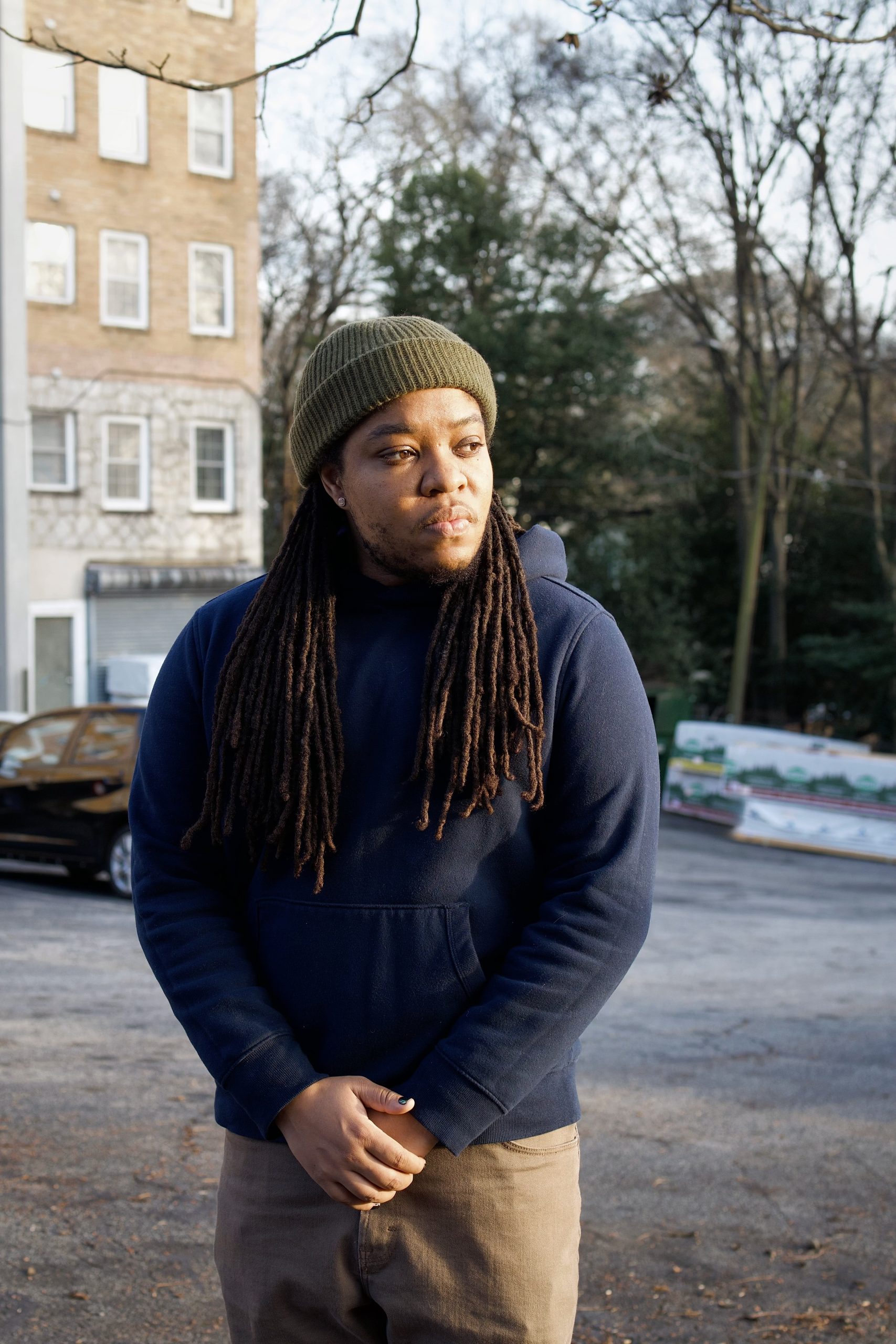
Soulmate as Solidarity: A Conversation with Kelsey L. Smoot
“Blackness and queerness and masculinity are cultural artifacts that we teach each other and that evolve over time. They’re incredibly hard to pin down. Poetry allows you to blow language open and think in terms that are so much less…
-
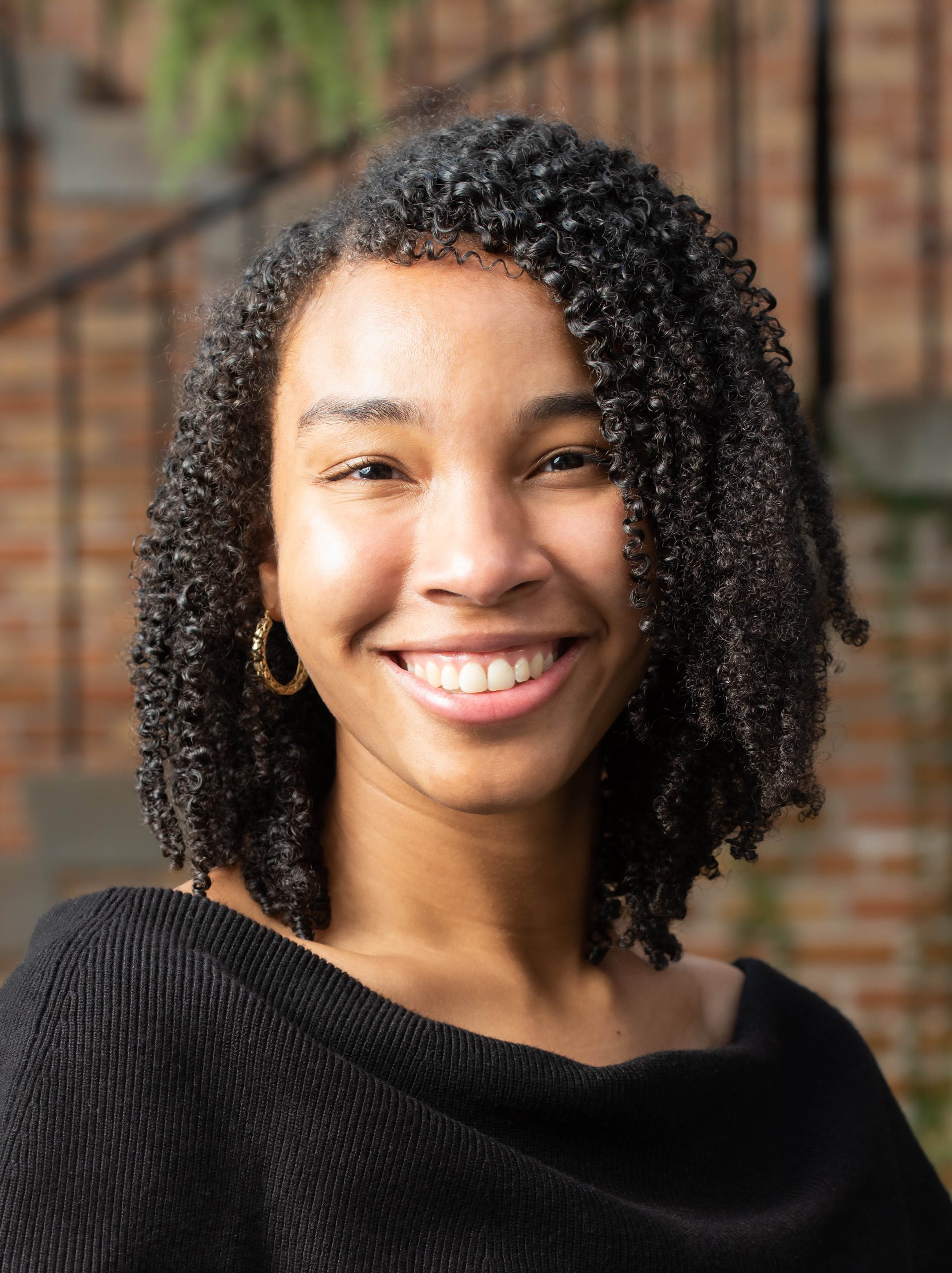
The First Book: Carrie R. Moore
“I’m writing for readers who love emotional resonance. I’m not writing to teach anyone anything about race or history; instead, my book is for readers who want to see Black people living their lives. My ideal readers can also make…
-
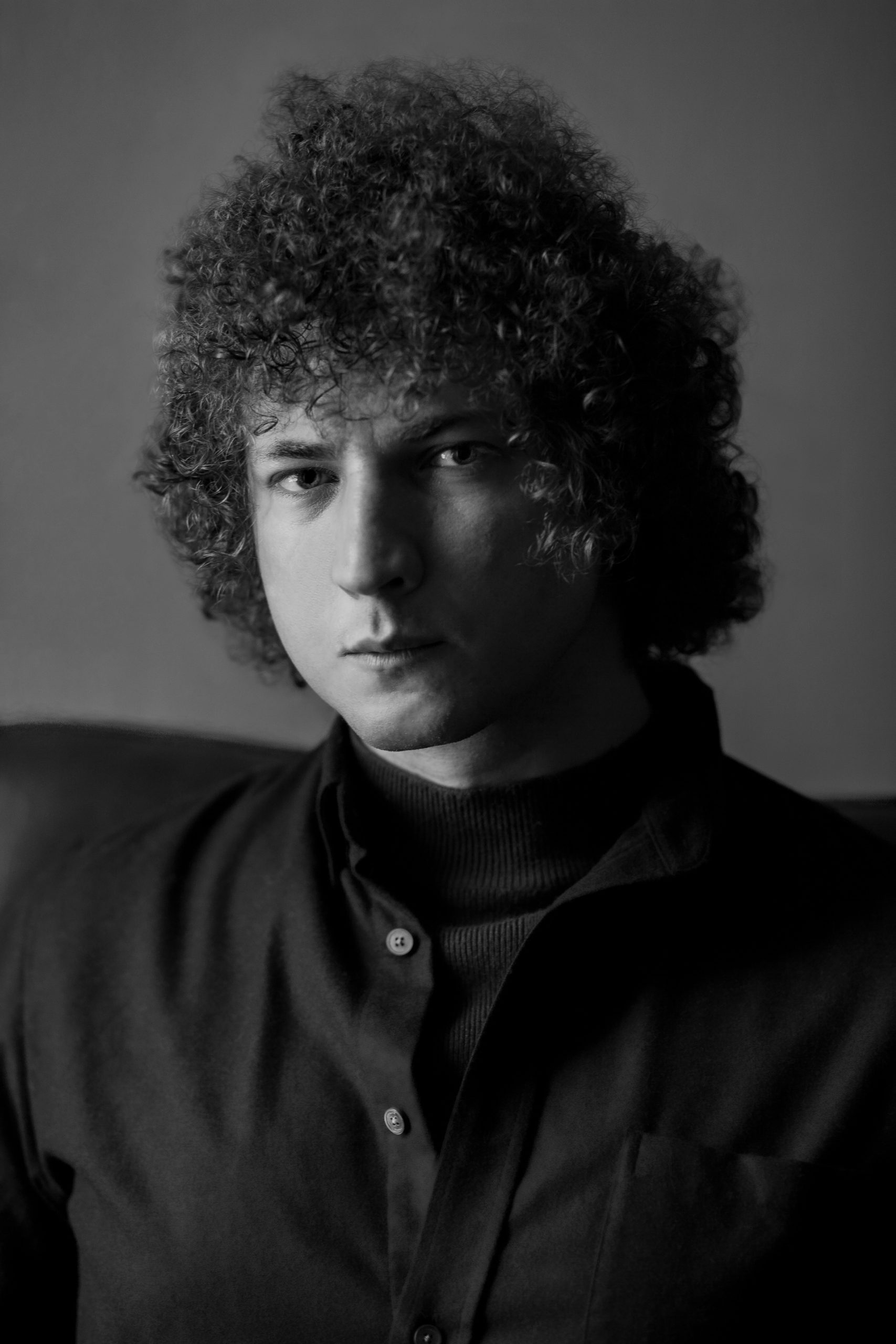
The First Book: Sam Sussman
“It’s easy to think that when writing from life, the story is intuitive. That was not my experience. Life is not literature. I had to look carefully at what I had written and ask, “Am I writing this because it…
-

What Resists the Burn Barrel: A Conversation with Mickie Kennedy
“Trust that the reader is intelligent enough to hop through time: moving back and forth between child and adult speakers. Freed of chronology, I immediately felt like “The Pact” would be a great opening for the book: intense, aggressive, grounding…
-
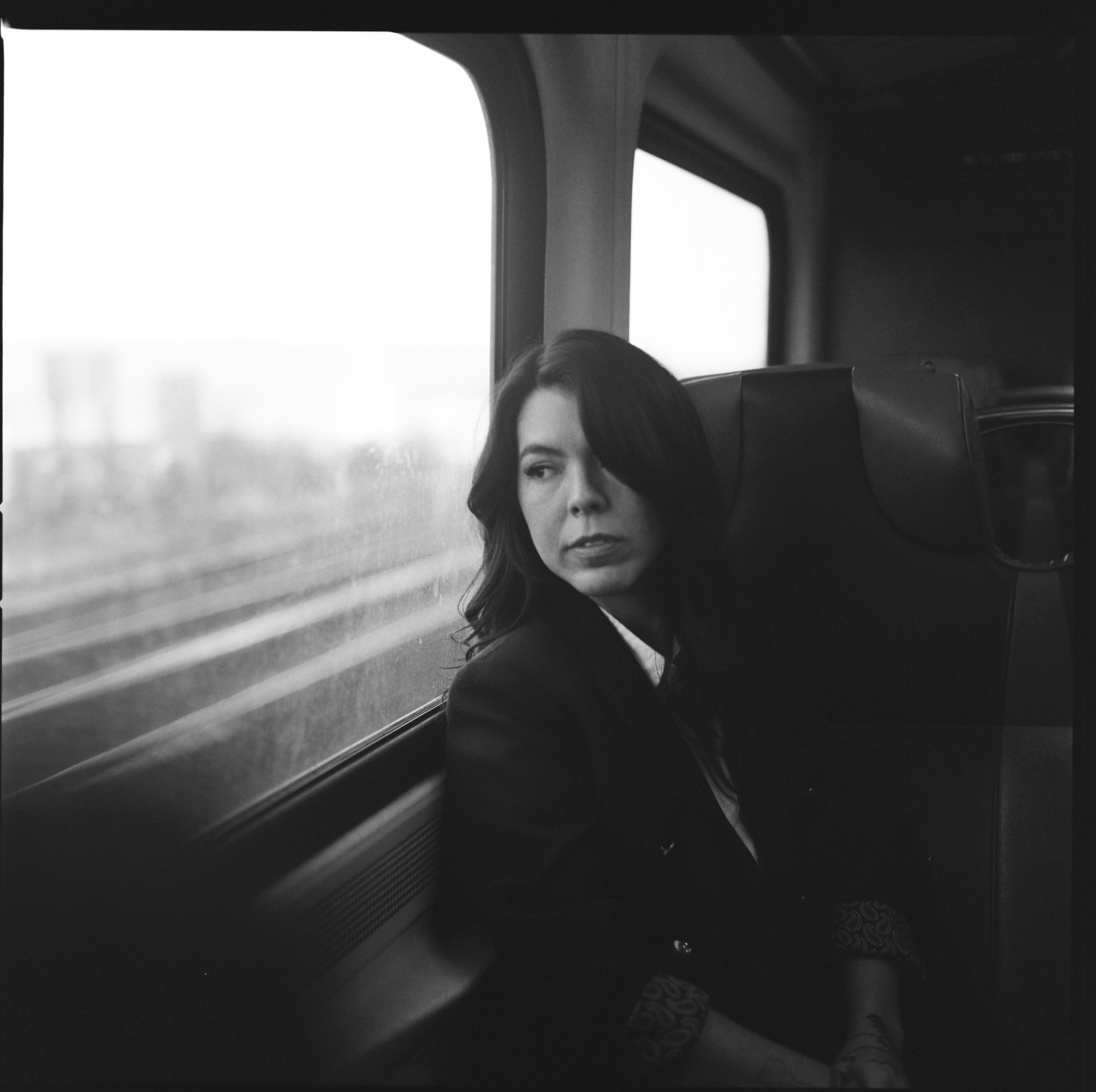
Memoir to Novel, Sister Texts: A Conversation with T Kira Māhealani Madden
“I look at the paragraph as its own little work of music. I need to make sure the repetition, any sort of rhyme scheme, meter, consecution – everything needs to be clicking within the paragraph form. Sometimes that alters the…
-
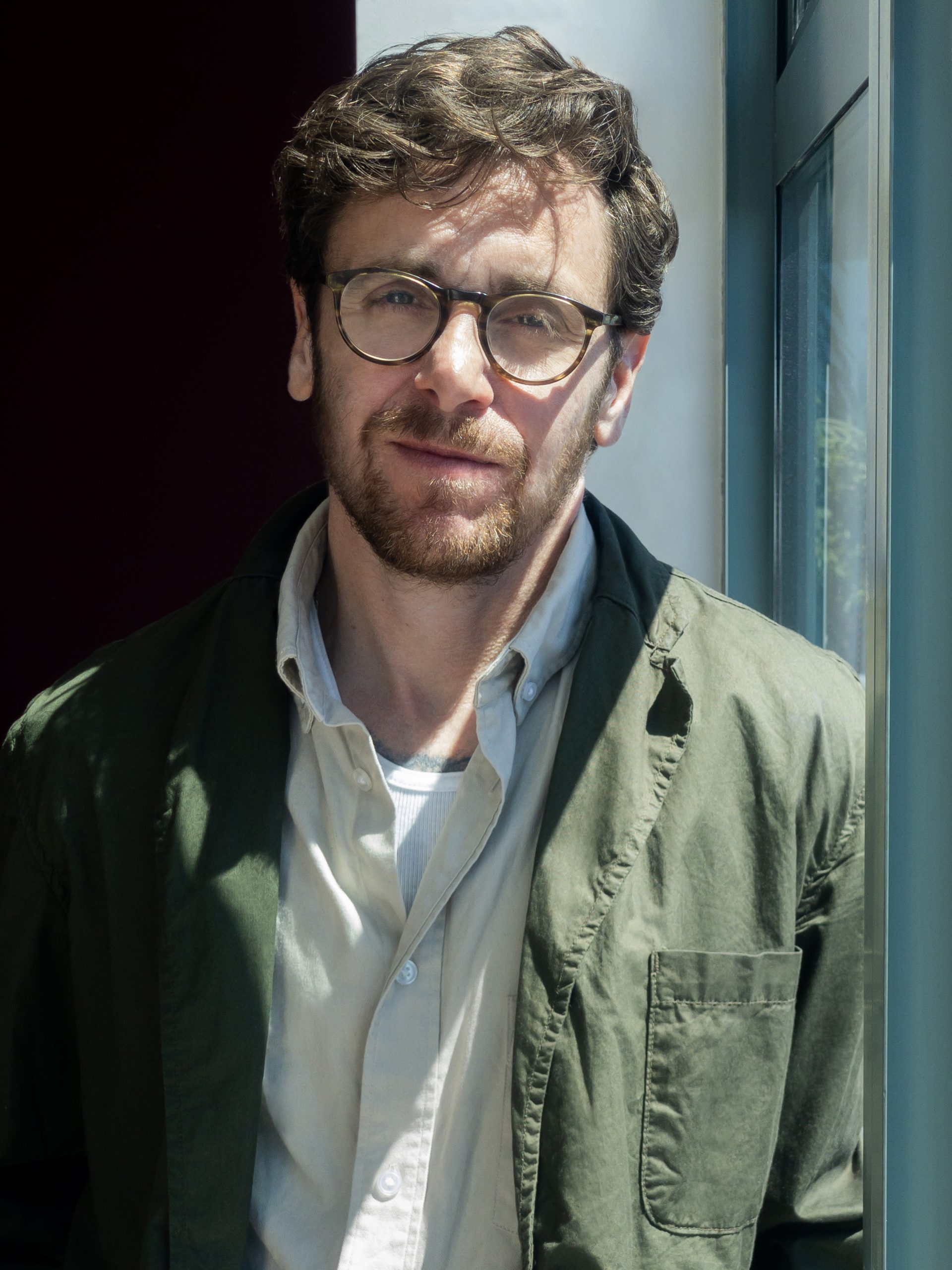
Satire as Anxiety Release and Reclaiming Narrative: A Conversation with Jordy Rosenberg
“Horror and satire are incredibly proximate genres. They both nourish the over-excitement of the reader—either through terror or laughter, or both—which I was hoping to do. Sometimes these are the only genres that are allowed to tell the truth about…
-

The First Book: Mariah Rigg
“Rejection can sometimes open doors to new ways of telling stories, comparison will only stagnate your writing. It will turn you away from the work that you need to create, the work that is entirely yours, and have you trying…
-

The First Book: Eliana Ramage
‘You will write other novels…’ I find it affirming because (1) it quiets the worry that the first book has to say or hold everything, which no book can or should, (2) the word write.”
-

Autobiomythography or Attending to What Memoir Excises: A Conversation with Lana Lin
My artistic practice includes making films, writing, and visual art. It’s driven by the same kinds of concerns around race, identity, and self-expression—and what it means to speak or to say something. In an interview [about] Dorothy, a publishing project,…
-
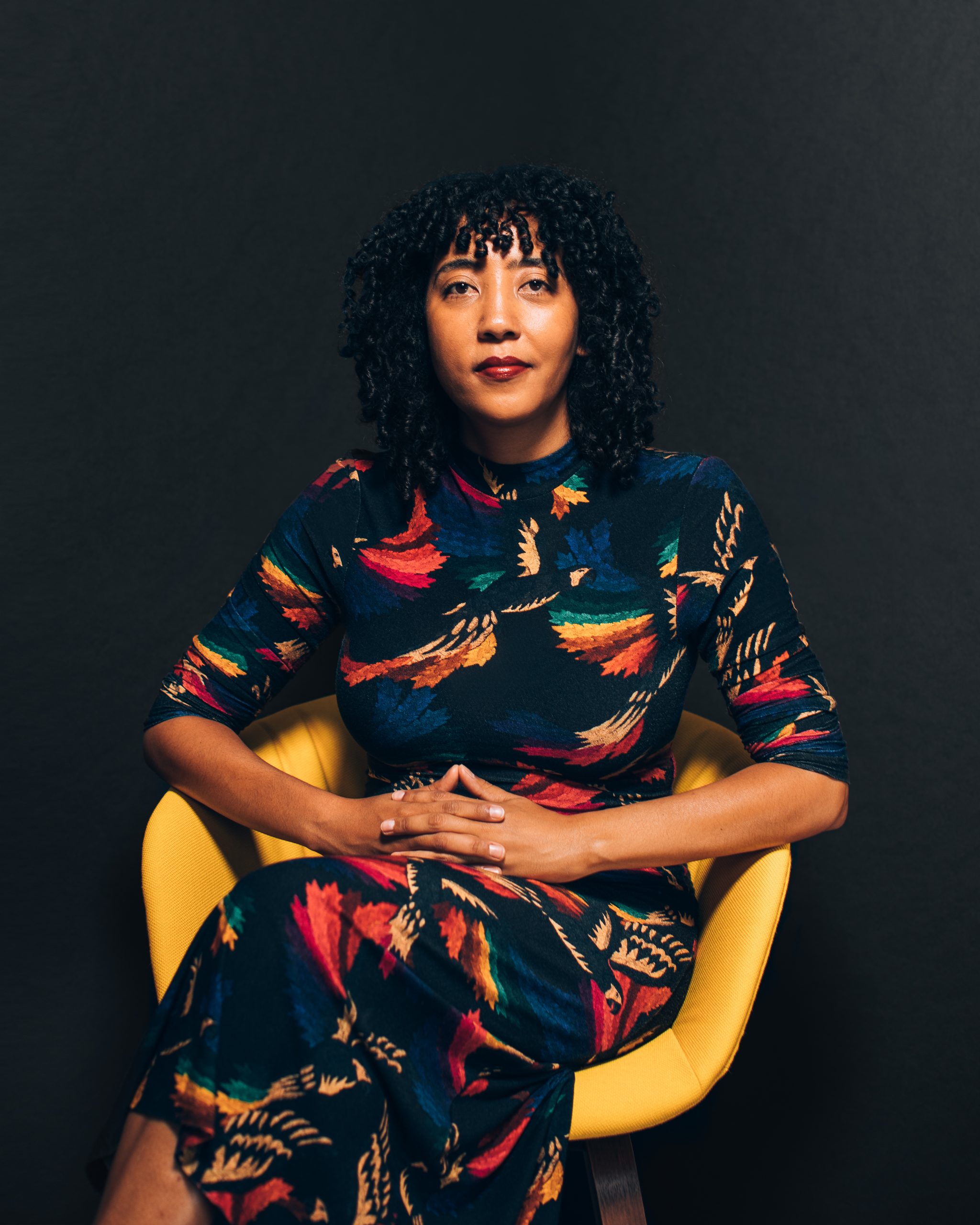
In Praise of Difficulty & Reading Toni Morrison: A Conversation with Namwali Serpell
“She saw the readers as a chorus, like the chorus in a Greek play, where the audience is part of the ensemble. She gives the example of when you’re in an audience in a musical performance—you’re shouting, clapping, and stomping…
-

The Inheritance of Grief and Work: Abbie Kiefer’s “Certain Shelter”
Shelter becomes manifest for the speaker through place, particularly in towns devastated by the loss of industry. Through the setting of small-town Maine, Kiefer examines the way life is transformed after the closing of a town mill, and even more…