
Reviews
-
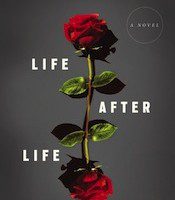
“Life After Life,” by Kate Atkinson
When we are young every decision seems weighted with extra meaning. A teenager can trace the exact steps that lead from the missing of a ski trip to the life of an outcast. Not being allowed to date a certain…
-
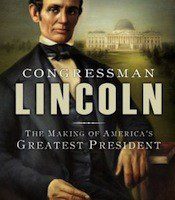
“Congressman Lincoln,” by Chris DeRose
On August 3, 1846, the day Abraham Lincoln won election to his only term in Congress, the gangly, 37-year-old country lawyer was unknown outside his Illinois district. America was a country of 28 states, largely unsettled west of the Mississippi.…
-
It’s No Good by Kirill Medvedev
David Peak reviews Kirill Medvedev’s It’s No Good today in Rumpus Poetry.
-
Uncanny Valley by Jon Woodward
Andrew Field reviews Jon Woodward’s Uncanny Valley today in Rumpus Poetry.
-
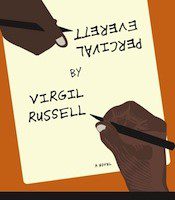
“Percival Everett By Virgil Russell,” by Percival Everett
The prolific Percival Everett tackles the timeless psychic tug-of-war between fathers and sons with zigzagging, psychedelic verve in his twentieth novel Percival Everett by Virgil Russell. Everett has mastered his playful, self-referential style, and seems more intent than ever to…
-

Song and Error by Averill Curdy
Maya Popa reviews Averill Curdy’s Song and Error today in Rumpus Poetry.
-
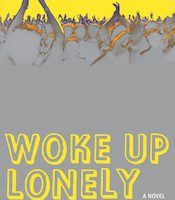
“Woke Up Lonely,” by Fiona Maazel
Loneliness seems to be having a moment. Of course, the subject isn’t entirely new. Alexis de Tocqueville identified a brand of loneliness seemingly specific to America back in the mid-nineteenth century; we also have 1950’s The Lonely Crowd and 2000’s…
-
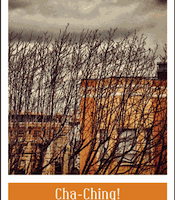
“Cha-Ching!” by Ali Liebegott
“It was 1994, the year of bad, low-blood-sugar decisions,” begins Ali Liebegott in her frank, funny and painfully realistic new novel Cha-Ching! I remember making a lot of bad decisions during my own version of 1994 – and Liebegott’s heroine,…
-
abu ghraib arias by Phil Metres
Virginia Konchan reviews Phil Metres’ abu ghraib arias today in Rumpus Poetry.
-

Bright Wings An Illustrated Anthology of Poems About Birds edited by Billy Collins
Barbara Berman reviews Bright Wings An Illustrated Anthology of Poems About Birds edited by Billy Collins today in Rumpus Poetry.
-
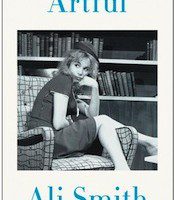
“Artful,” by Ali Smith
In one of the more memorable passages of Ali Smith’s Artful, the narrator notes how “surprisingly lightly” we treat books “in contemporary culture. We’d never expect to understand a piece of music on one listen, but we tend to believe…
-

Theophobia by Bruce Beasley
Julie Marie Wade reviews Bruce Beasley’s Theophobia today in Rumpus Poetry.