
Reviews
-
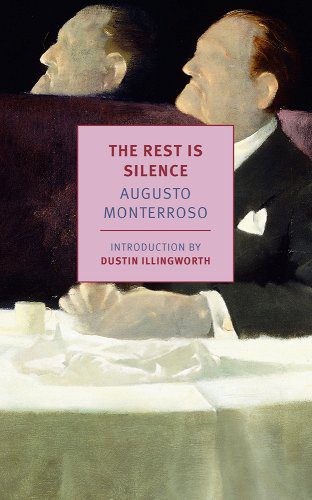
Endless Leisure: Augusto Monterroso’s The Rest is Silence
Under the right eyes, everything that Torres touches turns to gold.
-
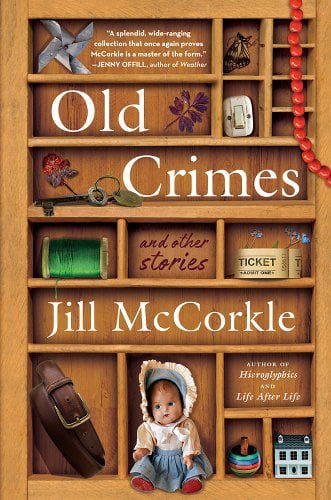
No One Gets off Scot-Free: Jill McCorkle’s Old Crimes
This is such a powerful manifestation of fiction: as writers, much as we make stuff up, we are always writing someone’s story.
-

Sketch Book Review: Three Books About Rivers
When passionate individuals like these authors put pen to paper, they have the opportunity to create real change.
-
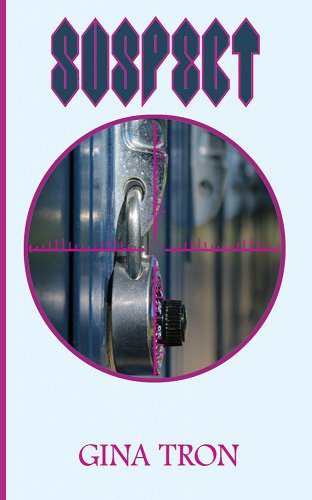
An Unsentimental Look at the ’90s: Gina Tron’s Suspect
Even her bad decisions, like lashing out at her bullies, are ones that feel relatable, if things were just a little different.
-
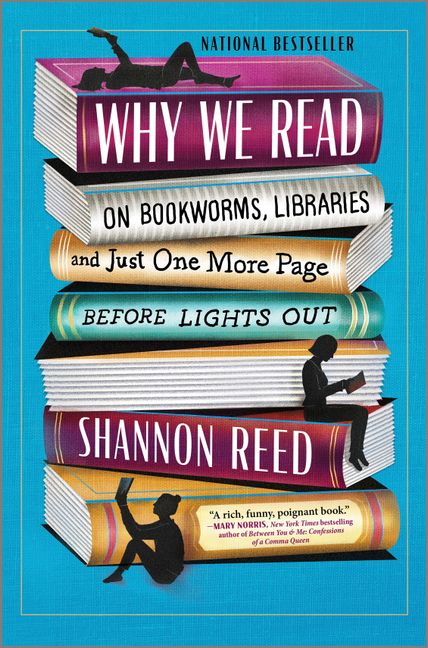
I Like Books About Books: A Review of Shannon Reed’s Why We Read
WHY WE READ reminds us not only of where we began as readers but also where we could go if we release our inhibitions and allow ourselves to simply enjoy reading.
-
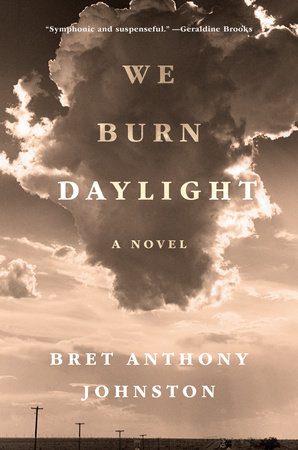
How to Win a Gunfight: Bret Anthony Johnston’s We Burn Daylight
The teens in this book seem to know something the adults don’t: that if they are going to have any kind of future, they must create it themselves.
-
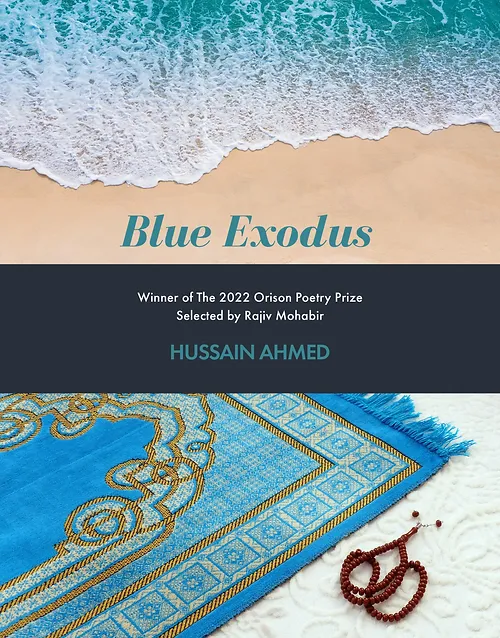
Reversing the Apocalypse: A Review of Hussain Ahmed’s Blue Exodus
…the world of the dead, the living, and the unborn are all in a cycle. Human materiality is indestructible.
-
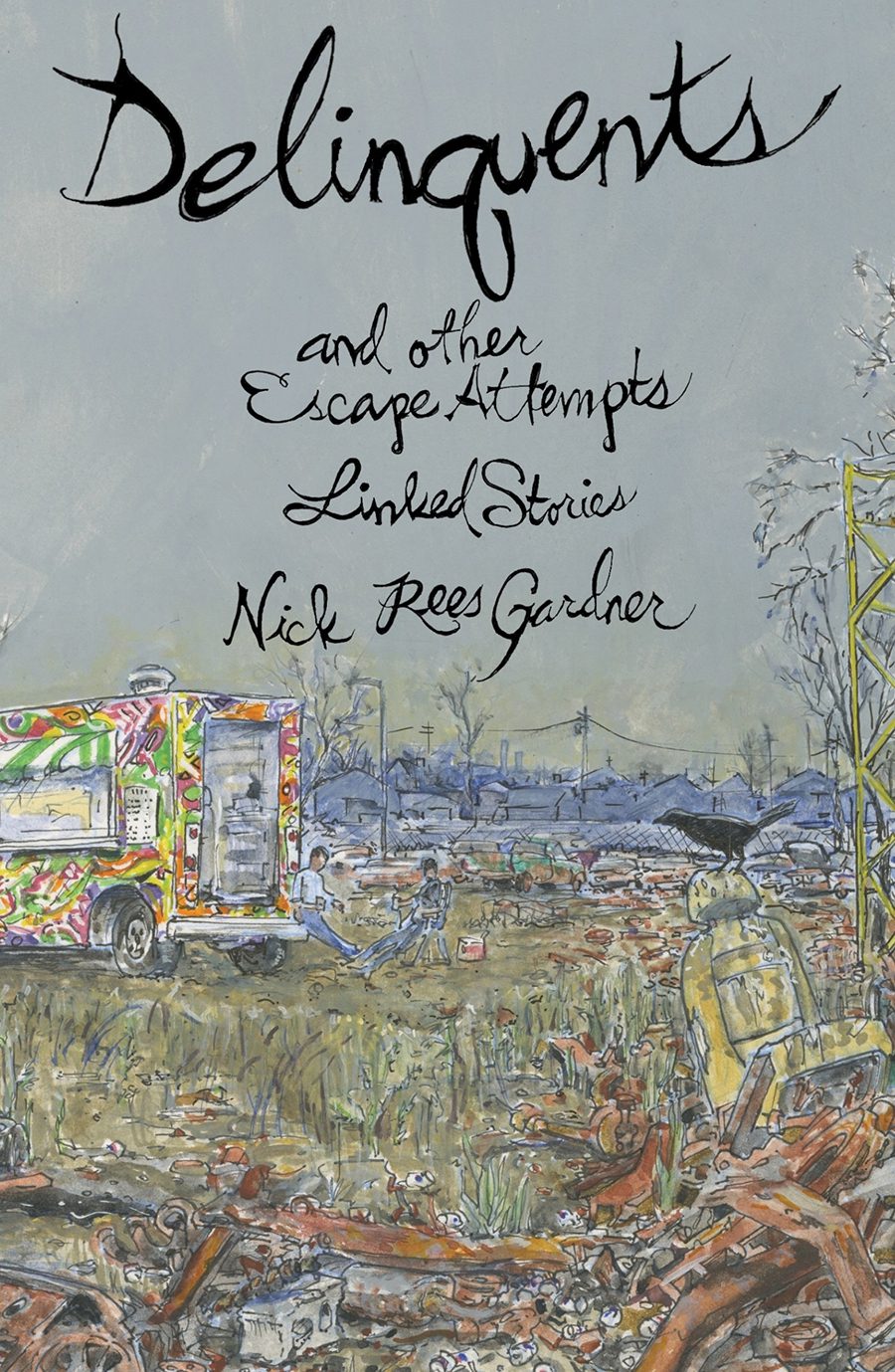
The Eternal Grind: Nick Rees Gardner’s Delinquents and Other Escape Attempts
A clever manipulator of time, Gardner doesn’t rely on the convenience of thirst to move his characters through the page.
-

“I Am in Love With Moons”: My Lesbian Novel and To After That (TOAF) by Renee Gladman
But this is love: crying into your lover’s face until it becomes so ridiculous, that the event becomes absolutely precious.
-

Red as in: Dawn Lundy Martin’s Instructions for the Lovers
Perhaps like a phoenix, Martin maintains such a commanding presence throughout the book because she has endured the sacrificial fire of being a poet, the necessary self-immolation.
-
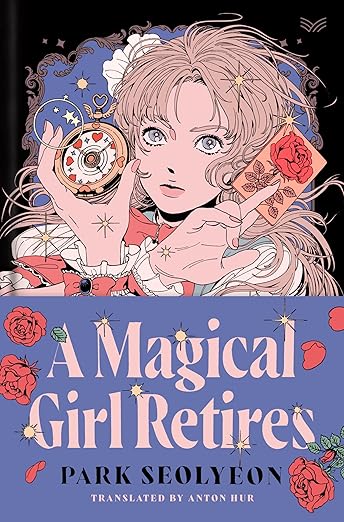
A Meditation on Magical Girls: Park Seolyeon’s A Magical Girl Retires
Park is not being cheeky. Rather, she’s taking a power that has lived in the hearts and minds of so many young people and propelling the magical girl genre into an entirely new dimension.
-
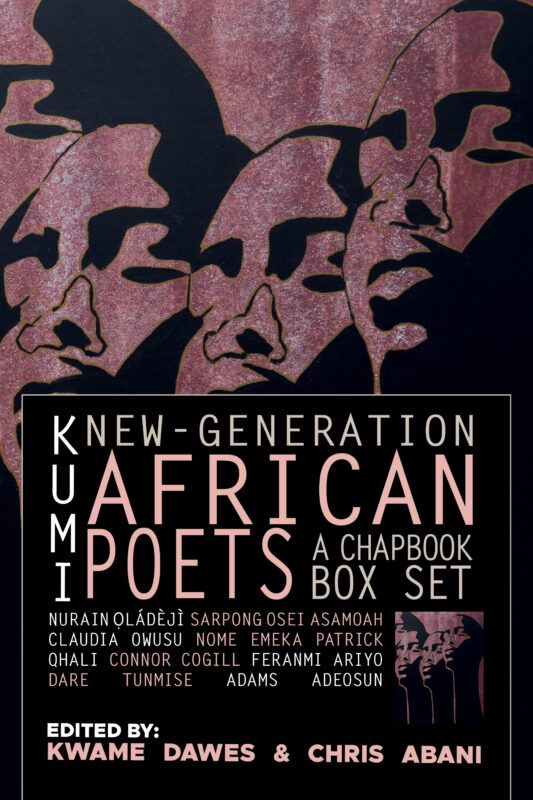
The Astonishing Power of African Poetry: A Review of New-Generation African Poets (Kumi)
Featuring gifted emerging poets from Ghana, Nigeria and South Africa . . . Kumi is a final tribute to a visionary and valuable investment in African poetry.