
Reviews
-
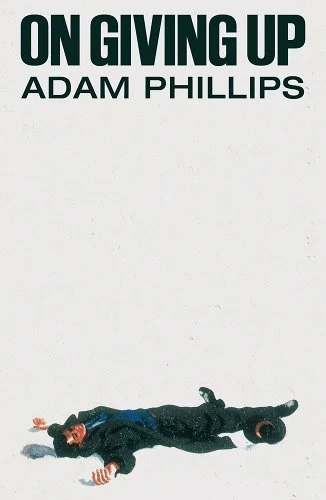
Letting Go of What We Should Have Had: Adam Phillips’s On Giving Up
We first must recognize the path not taken as a burden that controlled us and will not surrender easily.
-
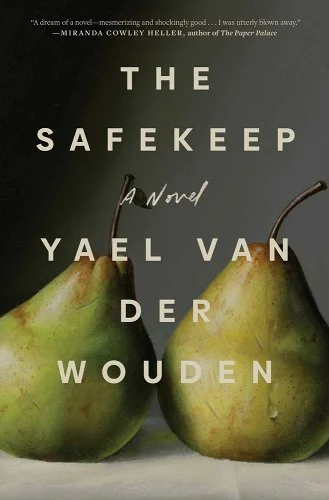
Unearthing the Past in The Safekeep
There is an elegant cadence to the prose, a slight twist in language to create a dynamic image of a simple nighttime scene. Two proud firs. The single star as the sky’s beauty mark.
-
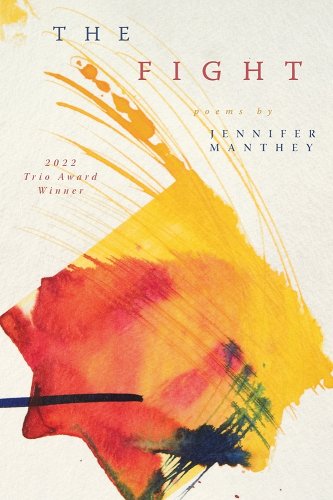
A Tight-Lipped Kind of Love: Jennifer Manthey’s The Fight
Through her terse yet piercing consideration of this school fight…Manthey asks us to look directly into the historically charged layers of the book’s eponymous fight.
-

Like A Mother: Joyelle McSweeney’s Death Styles
For the reader, it is the dedication before McSweeney’s first poem, “for my daughters,” that signals it is time to read.
-

It is Once Again Hanif Abdurraqib’s Year
Abdurraqib merges the personal and the universal in such a way that I cannot help but feel a part of these moments, despite some of them taking place before my birth, or before I was conscious of basketball’s existence.
-

Sketch Book Reviews: The Book of (More) Delights
Today’s delight: a flush of blooming forget-me-nots creating a blue blanket on the edge of my garden.
-
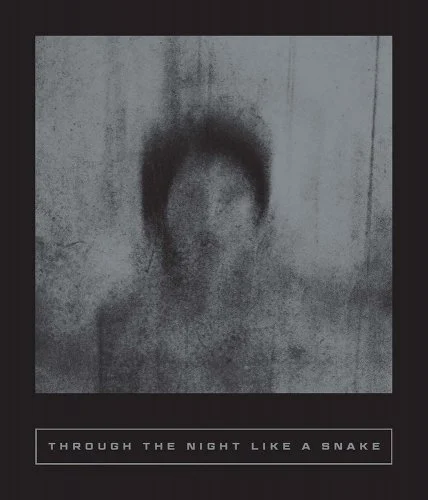
A Horror That Cannot be Helped
The summer expands in front of them, and their future disappears. The cheap housing they are cooped up in becomes even less glamorous during the blackouts.
-

Embodiment as a Sensorial Practice in Saretta Morgan’s Alt-Nature
Morgan practices the language of collective and enumerated ecologies . . . lexicons we often consider distinct, without an ecotone.
-
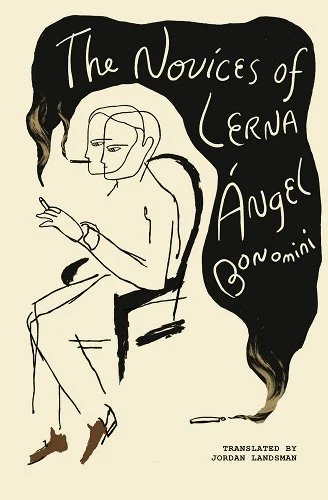
Holding a Mirror to Realism in The Novices of Lerna
His fictional world, as presented in this novella, develops a split truth, one where narrative reality and absurdist abstraction hang in the balance.
-
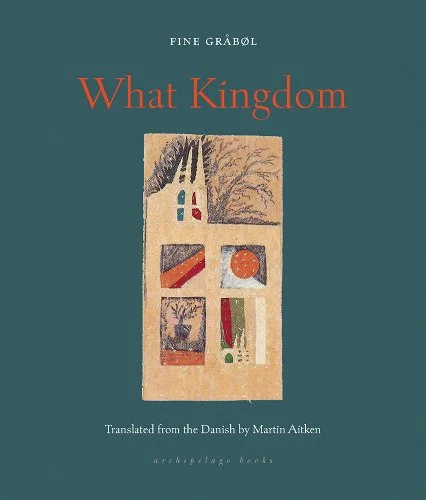
Is this the Danish Girl, Interrupted? Fine Gråbøl’s What Kingdom
“Have you ever confused a dream with life?”
-
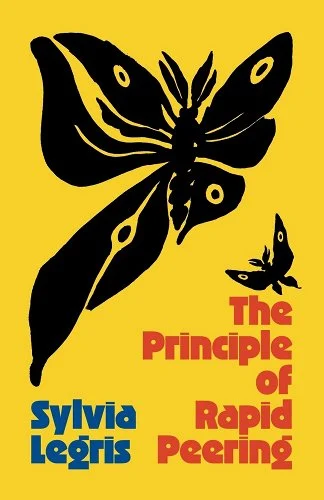
A Panoptical View of Slough: On Sylvia Legris’s The Principle of Rapid Peering
Scattered with a sparse collection of the poet’s original sketches . . . the poems move through the slanted and repetitive months of the pandemic, bleeding into “self-digesting” seasons.
-
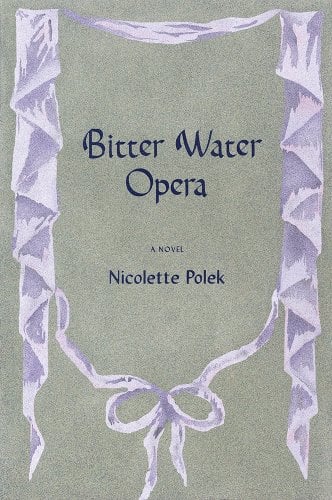
A Dance of One’s Own: Nicolette Polek’s Bitter Water Opera
The return of someone deceased is a common enough trope, but where it is normally horrific . . . Polek initially runs jolly with it.