
Television
-

Hanging Off the TV Cliff
At the New York Times Sunday Review, Rumpus Funny Women Editor Elissa Bassist asks whether television shows have become reliant on cliffhangers as a way to retain viewership season over season.
-
The Aura of Baby Einstein, the Child, the Toy
If there is no distinction between show and commercial, ethics and entertainment, what kind of distinctions, if any, exists between her imaginary play, her consumer life, and our reality?
-

How The Keepers Reframes Confession as a Feminist Act
Critics have noted how The Keepers is similar to other prestige documentaries but with a significant difference—its focus on the victims and their stories.
-

Susan Sarandon, “Bernie Bro” Politics, and White Privilege
As a longtime fan, it pains me to say it, but Sarandon is everything that’s wrong with mainstream, non-intersectional white feminism.
-
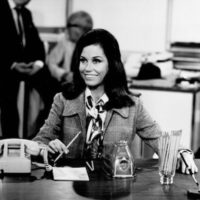
Learning to Live Alone through the Legacy of Mary Tyler Moore
Characters like Mary and Rhoda hadn’t been turned into stereotypes of single women in their thirties or career women or divorcees. They couldn’t be: they were the first.
-

The Evergreen Appeal of Bob Ross
This painter’s enduring popularity goes beyond surface-level soothing and pop culture camp. Ross is far more than a happy little frizzy-haired hippy.
-

Good Girls Revolt and Female-Focused Sex on TV
Sexual politics run through the very veins of this show. They are its blood, and they know how to get the female viewer’s heart pumping.
-
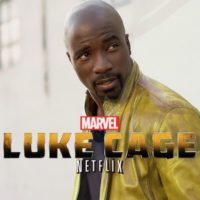
Luke Cage: When Representation Isn’t Enough
This show’s true strength is its diverse portrayal of African-American subjectivity and morality, amongst both the male and female characters.
-
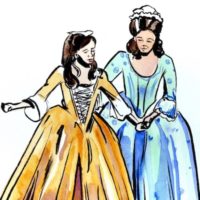
An Ultimate Illustrated Fantasy Guide of Gilmore Girls Mashups
HOW AWESOME WOULD THESE MASHUPS BE? Oh well. Maybe next year.
-

I Love(d) Dick, but Not the Show
It’s difficult, if not impossible, to convey the arc of a series of letters in a TV show. Words flash on the screen at regular intervals in bright Helvetica.
-

Mr. Clarke, the Real Hero of Stranger Things
He’s the teacher who encourages questions beyond the class assessment, who always gets his students to open the “Curiosity Door.”
