
book review
-

When Theory and Fiction Collide: Savage Theories by Pola Oloixarac
Theory and fiction have a history. They’d been flirting with each other for centuries and now regularly engage in textual intercourse.
-
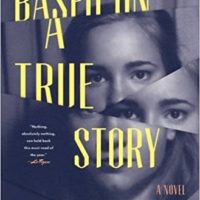
The “Reality” of Memoir: Delphine de Vigan’s Based on a True Story
Memoirists are not transcriptionists of their pasts, recalling conversations verbatim. They are artists, whose job is to interpret the lived history through an artistic lens.
-
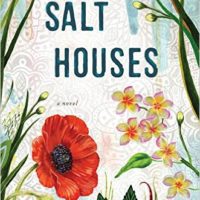
The Many Faces of Arab Culture: Salt Houses by Hala Alyan
Narratives like this one complicate and humanize America’s simplistic view of Arab cultures, toppling the flimsy idea that Arab people are intractably Other.
-
Worlds Full of Demons: Chavisa Woods’s Things to Do When You’re Goth in the Country
We must ask ourselves: who stands in the shadows of our national persona, both historically and in the nation’s literature? Woods raises the question, and her work points toward an answer.
-

Haunted by Child Refugees: Valeria Luiselli’s Tell Me How It Ends
These aren’t ghosts; these are children who have braved a perilous journey to escape the violent nightmares back home.
-
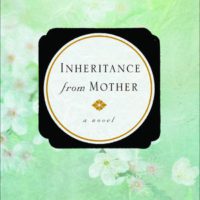
Family Is the Deepest Scar: Minae Mizumura’s Inheritance from Mother
With each word, I found myself thinking of my own grandmother’s journey, escaping war to America with no money, no education, and six children, the pain of this experience inevitably hardening the whole family.
-

Science Fiction Can Change the World: Borne by Jeff VanderMeer
With Borne VanderMeer presents a parable about modern life, in these shaky days of roughshod industrialism, civilizational collapse, and looming planetary catastrophe.
-
The Otherworldly Intrigue of Daisy Johnson’s Fen
As a reader, the world of Fen won’t leave you. That is Johnson’s power as a writer—she creates a dark, self-aware world that feels heavy and gray and covered in mist.
-

Inequality Is Everyone’s Problem: The Broken Ladder by Keith Payne
Inequality, in Payne’s eyes, is massively detrimental to everyone in unequal societies, and everyone needs to know it.
-
The Whimsy and Discipline of Anne Garréta’s Not One Day
If people cannot be captured, if “there are only erasures,” then might as well seek them in elisions, where their potential remains.
-
A Full-Throated Cry from a Clarion: Lidia Yuknavitch’s The Book of Joan
We seem to be floating in a weird soup of truthiness and alternative facts. Perhaps the state of American life explains the explosive power of The Book of Joan, or perhaps it’s the other way around; perhaps, at last, American…
-

Jessa Crispin Can’t Do It Alone in Why I Am Not a Feminist: A Feminist Manifesto
Crispin’s writing strikes a tone that at times parallels neoconservative—even alt-right—pundits: commentary peppered with political injunctions, not criticism.