
lydia davis
-

The Third Iago Sensibility: A Conversation with Laurie Stone
Laurie Stone discusses her story collection, My Life as an Animal, writing about death, how the reader doesn’t care about you, and the Third Iago.
-

The Rumpus Mini-Interview Project #123: Erica Garza
“[T]here was something really empowering about being honest and open about this part of myself. Somehow, writing helped lessen the shame.”
-

A Curious Swarm or Energy: Talking with Rachel B. Glaser
Rachel B. Glaser discusses her newest poetry collection, HAIRDO, her writing process, and the books and writers that have influenced her.
-

The Rumpus Book Club Chat with Danzy Senna
Danzy Senna discusses New People, inhabiting her characters without judging them, playing with the reality and surreality of identity, and pushing against traditional story arcs.
-
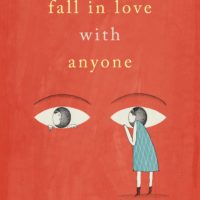
Scripting New Narratives: Mandy Len Catron’s How to Fall in Love with Anyone
I can’t help but wonder what if, in detangling love stories and our relationships to them, Catron is building yet another narrative—an anti-narrative, perhaps—of love.
-

(K)ink: Writing While Deviant: Claire Rudy Foster
It is about the essential parts of story. The bones. The steel rods and rings. The skin that goes white with tension. Tolerating that kind of discomfort takes practice, yes, but it is exhilarating.
-
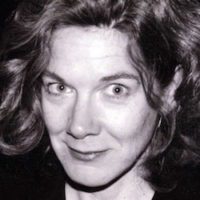
Eight Meditations about Mary Ruefle
“You haven’t even begun,” she admonishes the younger version of ourselves. “You must pause first, the way one must always pause before a great spirit, if only to take a good breath.”
-

The Rumpus Interview with Saleem Haddad
Saleem Haddad discusses his debut novel Guapa, the Orlando shootings, the importance of queer spaces, and Arab literature.
-

The Rumpus Interview with Rebecca Schiff
Rebecca Schiff discusses her debut collection The Bed That Moved, choosing narrators who share similarities with each other and with herself, and whether feminism and fiction-writing conflict.
-

The Rumpus Interview with Christopher Boucher
Novelist Christopher Boucher talks about writing so-called “experimental” fiction, both embracing and denying the metaphor, and apples.
-

In Conversation with Lydia Davis
I love the English language. I know some people go into translating because they love foreign languages, but I love English above all, and I enjoy translating these foreign texts into my beloved English. In the first of six-part interview…
-
All About the Essay
John D’Agata, visionary champion of the essay and master anthologizer, sees the lyric form “partake of the poem in its density and shapeliness, it’s distillation of ideas and musicality of language.” He also sees it as unbound to conventional notions of…