[10.07.23]
There was heaving from another room. Coughing, gasping. It sounded like someone drowning. I was making coffee, too young to be drinking it black, but too old to fill it with calories. She went to check on him, and he was purple.
My grandfather—who once stood 6’1, who yelled at black bears, and who feared nothing but God—lay incapacitated on the bed. It was the first time I had seen him in stillness. There were no tapping feet or ripples in his Adam’s apple. I stood there and remembered how much space his breath took up when he fell asleep during Airplane! Even in sleep, he split air with his chest.
She started screaming his name, straight to hysterics. It was in her bloodline, the dramatics. My mom got the same gene. It must have skipped my generation.
I was fifteen years old and had woken up early to sit in a mindless queue for Taylor Swift tickets. I was wearing Brandy Melville and white socks. Blonde-haired, blue-eyed, too smart for my own good, and too nice to do anything about it.
I called 911. I talked to the operator. I gave him chest compressions. I looked my grandfather in his lifeless eyes, and I pushed hard enough to break ribs.
My grandmother didn’t stop screaming. His name, my name, “Oh my God.”
I told her to wake my sister up. My sister wouldn’t be able to do anything; I know how she is in the morning. A simple plea for my grandmother to get out of the room. I needed to play grown up in the same way as when I wore too much makeup or called my mom a bitch.
When the paramedics arrived, I gave them his medical information. I listened to the cries of medical equipment, the surgical beeping, the whispers of “How do we tell them?”
Before they broke the news, while they were still ignoring his DNR request, the policemen made small talk. When I told them I wasn’t yet old enough to get my driver’s license, there was a fog that settled over their eyes. They were deep in memory, thinking back to those old bikes that used to take them everywhere, as long as they were home by sunset. They thought about the elderly couple who used to live next door. Their high school dances. Their first loves—one of them thought that she looked a little like me. And then they were called back to the other room and realised that we had all forgotten what childhood had felt like.
I didn’t cry until I called my mom. I told her that her father was dead. She was thousands of miles away, and I was right there, standing on the deck of the lake house. As I’d grown up, it was a safe haven. All of my summers had melted together with ice cream and sweat—sticky and sweet, something to be cleaned up with bleach.
I pulled myself together to comfort my grandma. I wiped her tears and made her coffee.
I accompanied her to see him one last time. I didn’t want to. He was once my hero; the man who snapped his Achilles and used a tree branch to hobble back to his car. He saw himself in the way I argued at the dinner table, the way I wanted to see the world. I had to see him shirtless, with marks of defibrillators, and I bruised my hands on the cavity of his chest.
I did this and I did that and I was fifteen years old.
[04.11.25]
It’s been over two years, and the wound has scarred white on my fingertips.
I’m not fifteen anymore. I don’t own any of the clothes I wore that day. I attended the Taylor Swift concert. I’m still blonde-haired and blue-eyed, still too smart for my own good, but I’m not as nice anymore.
I look back on that summer with the anger I never had back then.
I’m angry that I was offered vodka by my aunt to dull the pain. I’m angry that I refused and was fully sober when she called me a bitch. I’m angry at the funeral singer who told me that I cried the hardest. I’m angry that she noticed and that she was right. I’m angry at everyone who wasn’t there. I’m angry that they couldn’t predict the future and hold me while someone else dealt with it.
The memory has hardened with time, the details analyzed in boarding school applications and reluctant therapy sessions.
I always talked about how much stronger it made me, how many skeletons in my closet I’m able to keep quiet. What I never talked about were the conversations I used to have with his god. Or is it God? I’ve never been religious. I’ve never understood what pulls people to an unknown that disguises a different unknown. But when I walked the path he used to take, I would pray. Not because I believed in it, but because he did. There is only a God in grief. I used to picture my grandfather softened by the clouds—another figure in every lifeless painting of heaven—and that brought me the breath that I had fought to give him back.
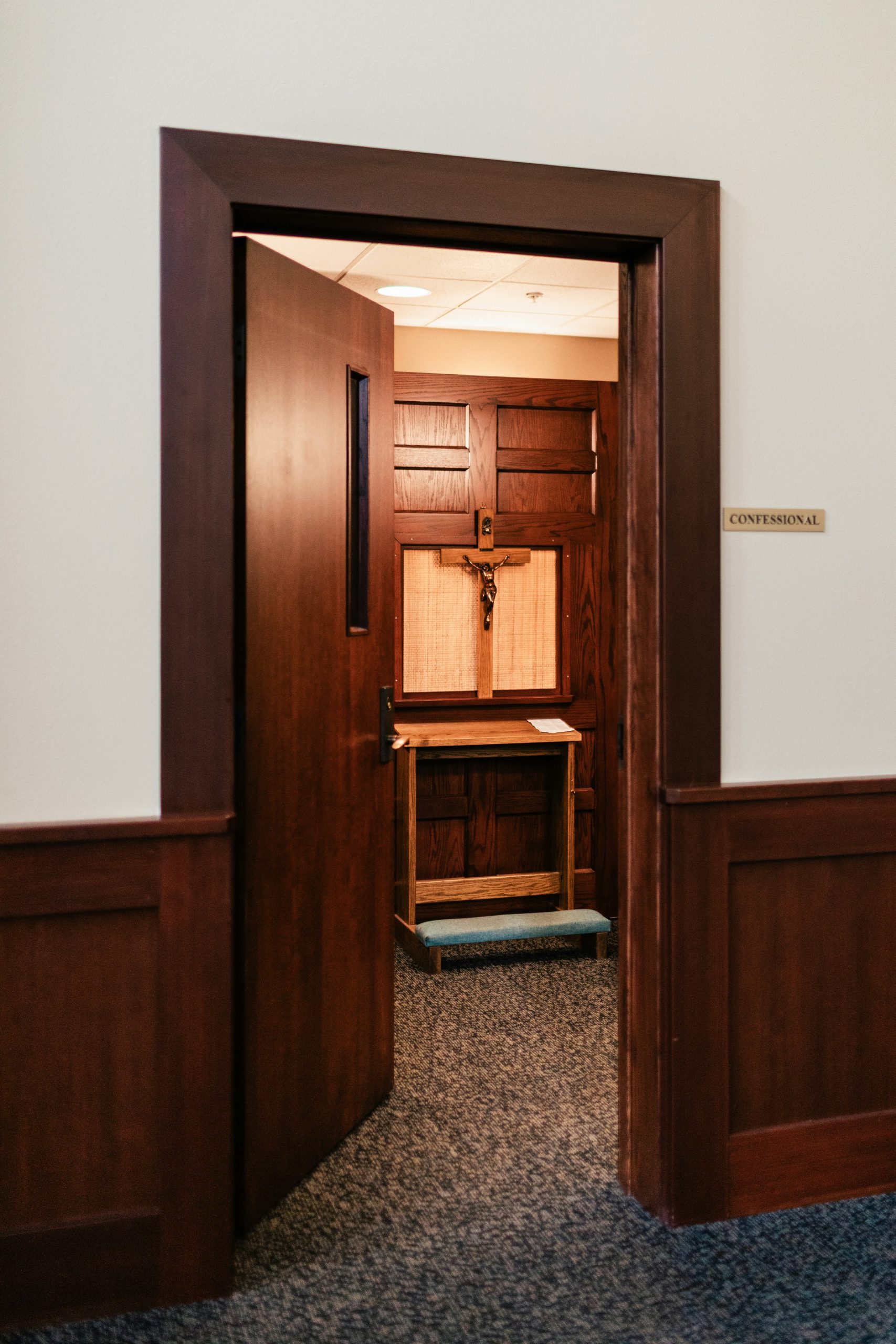
I will not go to confession or swallow the body of Christ, but I know that my guilt is a priest’s wet dream. I’m guilty of feeling closer to my grandfather now, at eighteen, than I ever did as a child. I’m guilty of tattooing his memory in between my shoulder blades to disguise precocity as bereavement. I’m guilty of making choices that my mother made. I’m guilty of mellowing his name through my writing. I’m guilty, I’m guilty, I’m guilty. Please, God, believe me, I’m guilty.
I used to pray because my grandfather did. Now, I write to try and keep seeing him. Maybe it’s the same thing, trying to resurrect something that doesn’t want to come back. Trying to dredge up memories that are better off in his grave. While he burned, every piece of flesh that fell from his skin released an echo that won’t be heard when the last of us dies. The Fourth of July will be happy again. My uncle won’t drink anymore. We’ll be dust, like my grandfather, and some poor child will pray just to say sorry.