
Features & Reviews
-
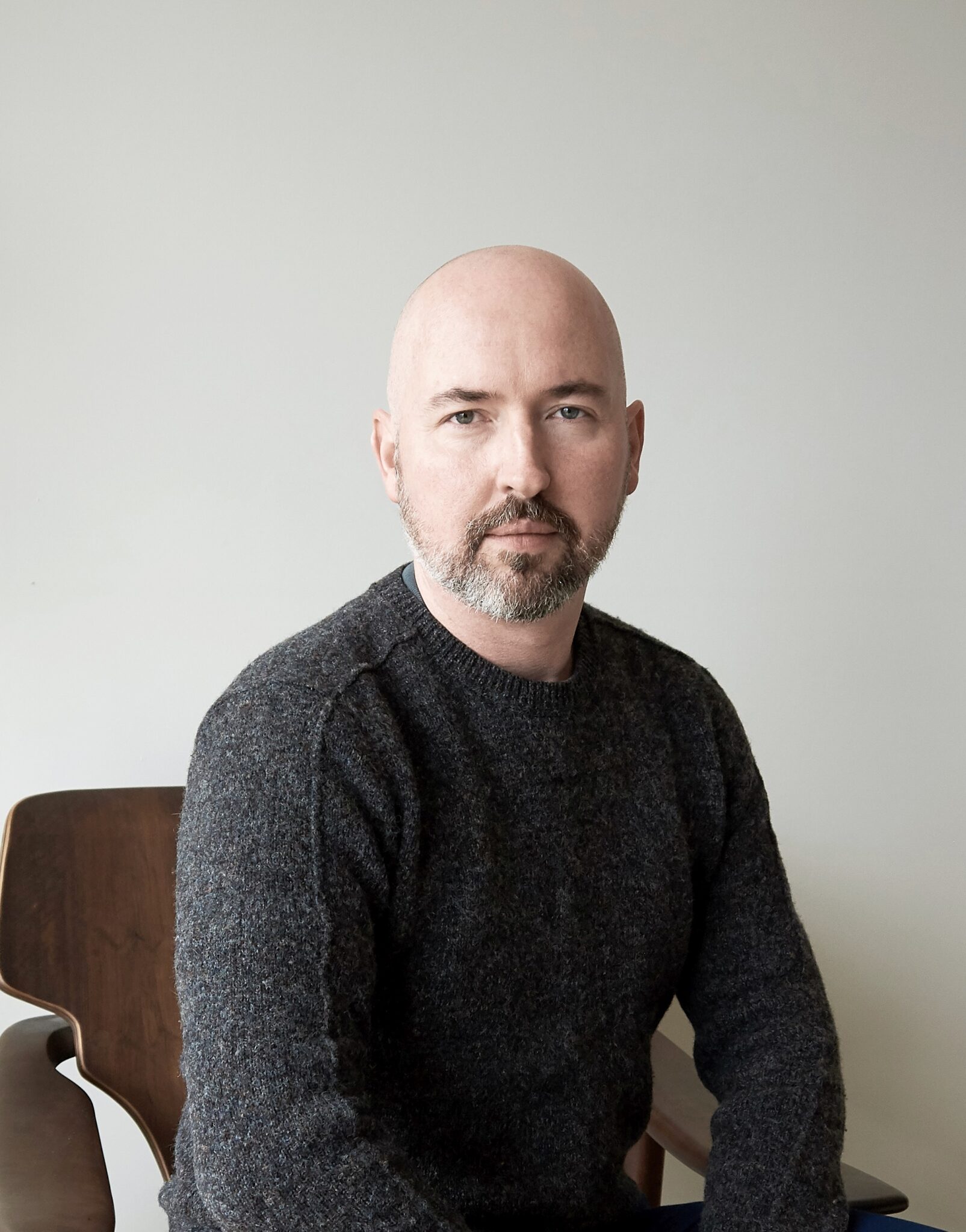
The Place That Keeps Calling You Back: A Conversation with Douglas Stuart
“All my work has been about the cost of belonging, because I find that the price of belonging is conformity. Especially as someone from a working-class background who was raised to always think of the “we” and never the “I,”…
-
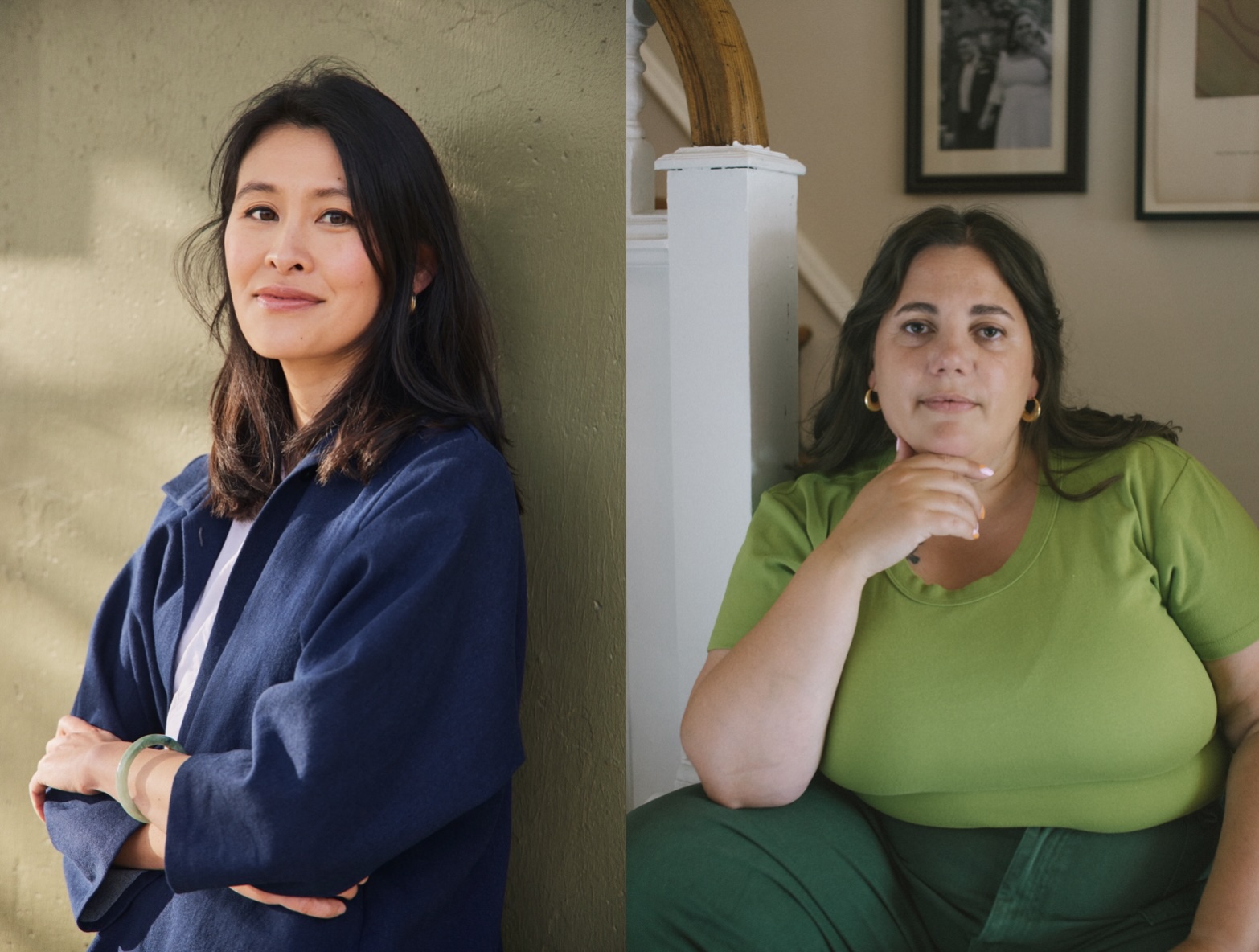
A Conversation between Rachel Khong and Emma Copley Eisenberg
“A story can change your day; it can give a different texture to it, like music can. I love precision and brevity in writing, and the best stories come in the smallest packages. I think of stories more like songs–more…
-
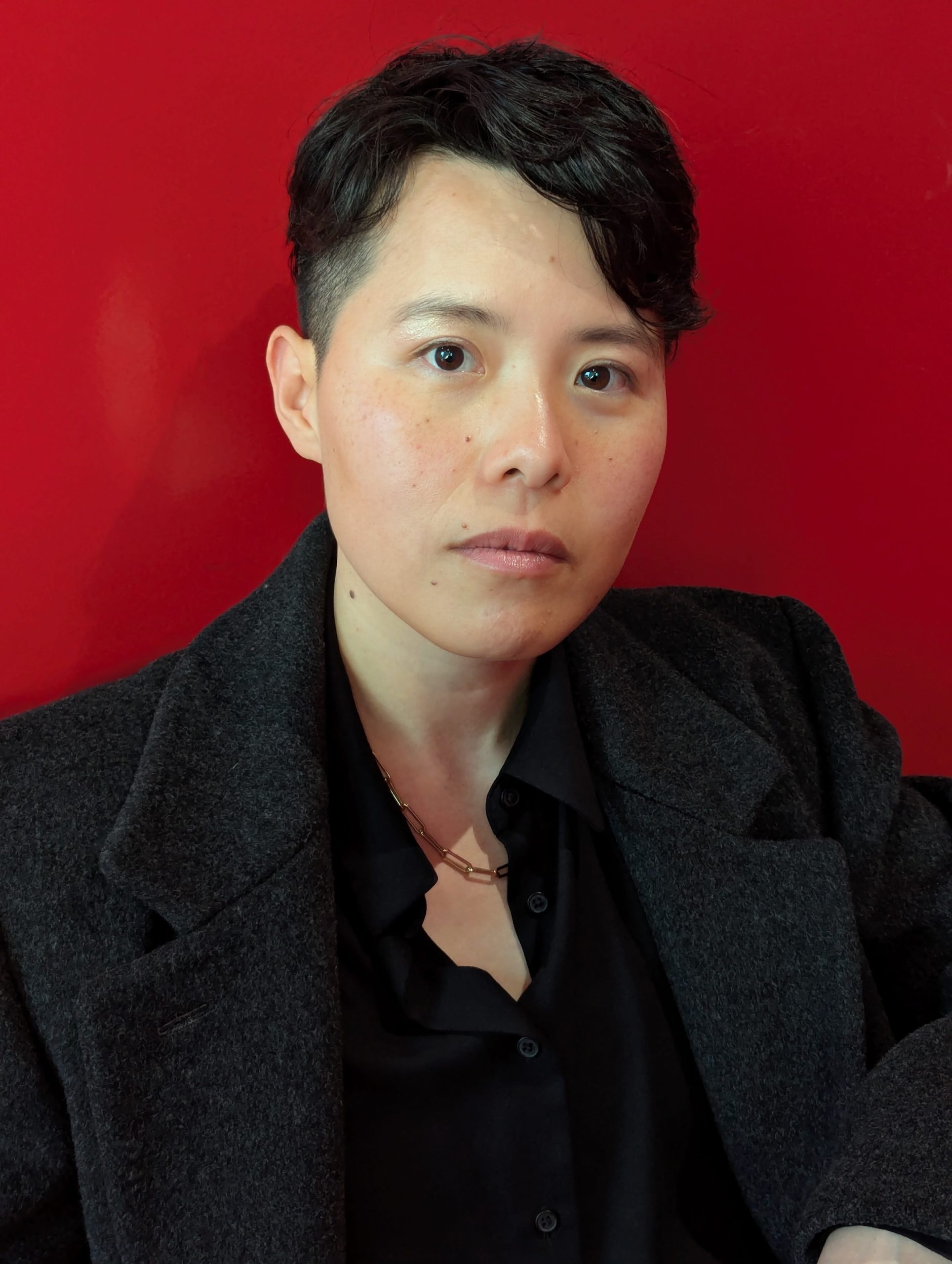
Someone Else Will Save Us: A Conversation with Kim Fu
“ It is difficult and overwhelming to think about what’s happening to the whole world at scale and the forces that are at play. But telling the story of one person and the points at which they are interacting with…
-
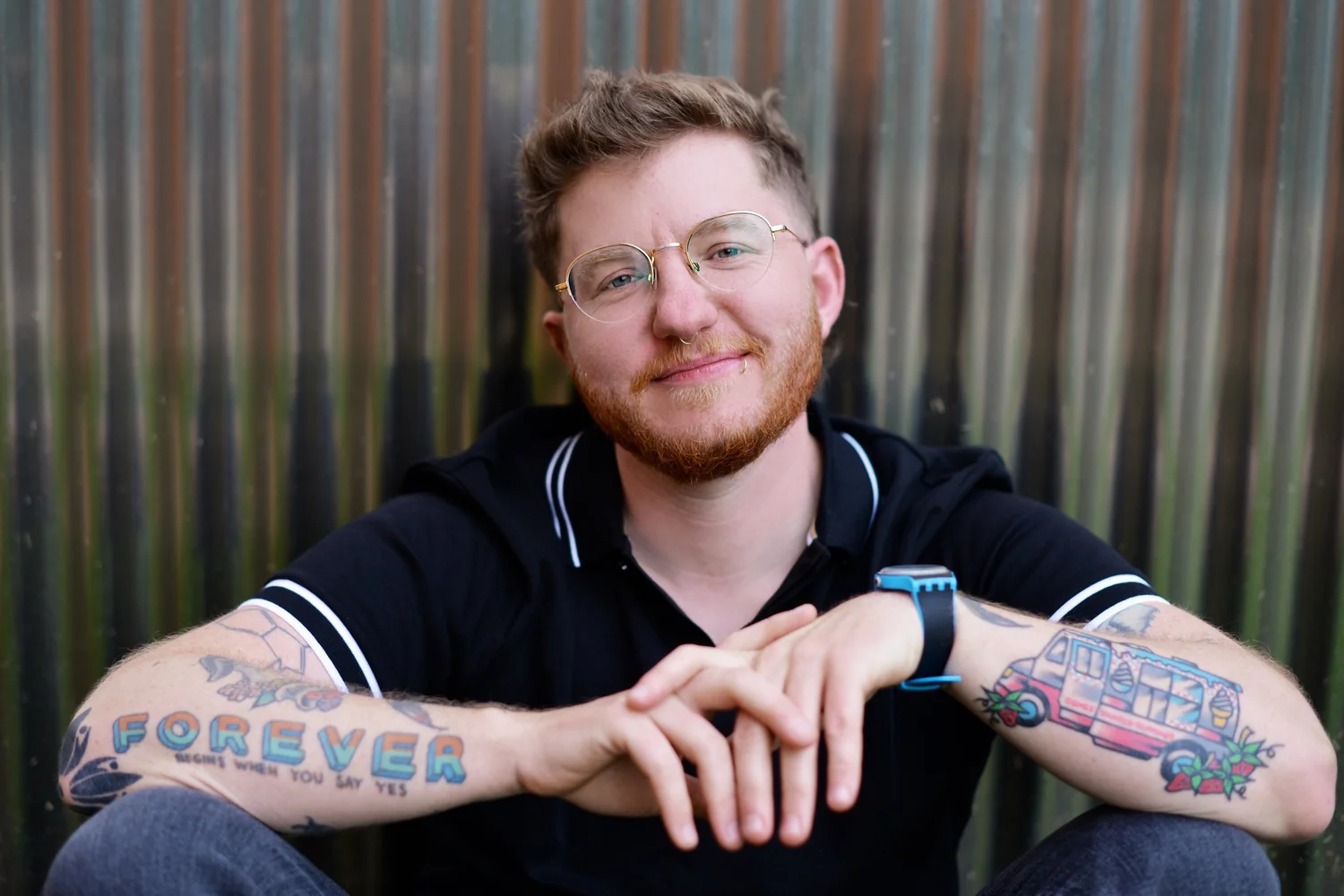
Parasocial Connection & Dinner As Organizing Principle: A Conversation with Krys Malcolm Belc
“There was the loneliness of losing in-person socializing at work [during the early days of the pandemic]. And then when I was sent home–because I was not an “essential worker” at my job… there was a screen now, between me…
-

The Sisters of Song, Myth, Poetry, Prayer: A Conversation with Maya Salameh
“I think the places in this book (especially Damascus and San Diego) are reconstituted in that they are mangled in my recitation of them, and I allow them their mangledness. By insisting on the presence of Arabic on the page,…
-
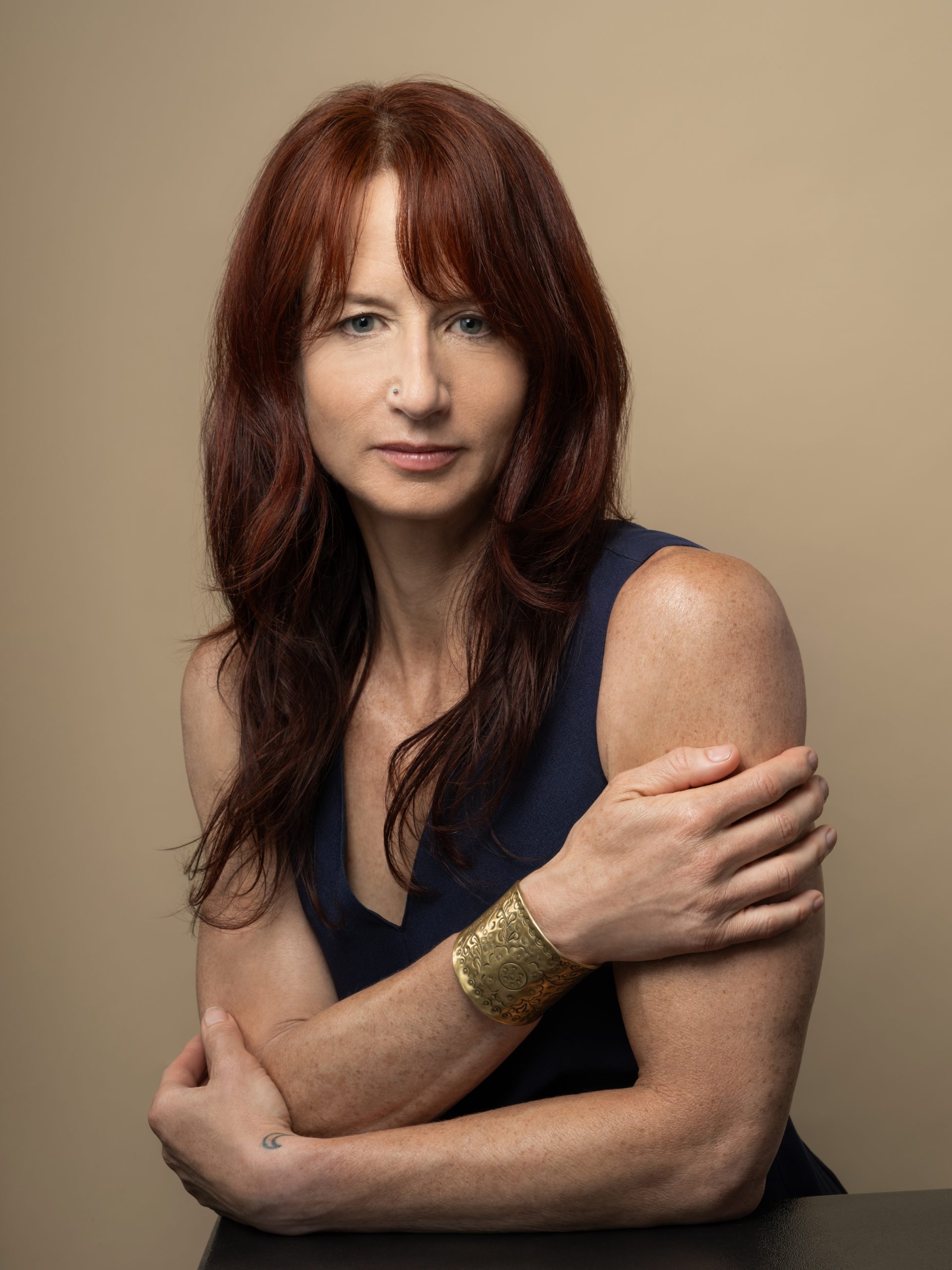
A Reclaiming and a Reckoning: A Conversation with Diana Whitney
“So what do we do with the rage? We can make meaning from it. We can shape it into some form where it’s manageable, whether that’s a form on the page in a poem, whether it’s a story we can…
-
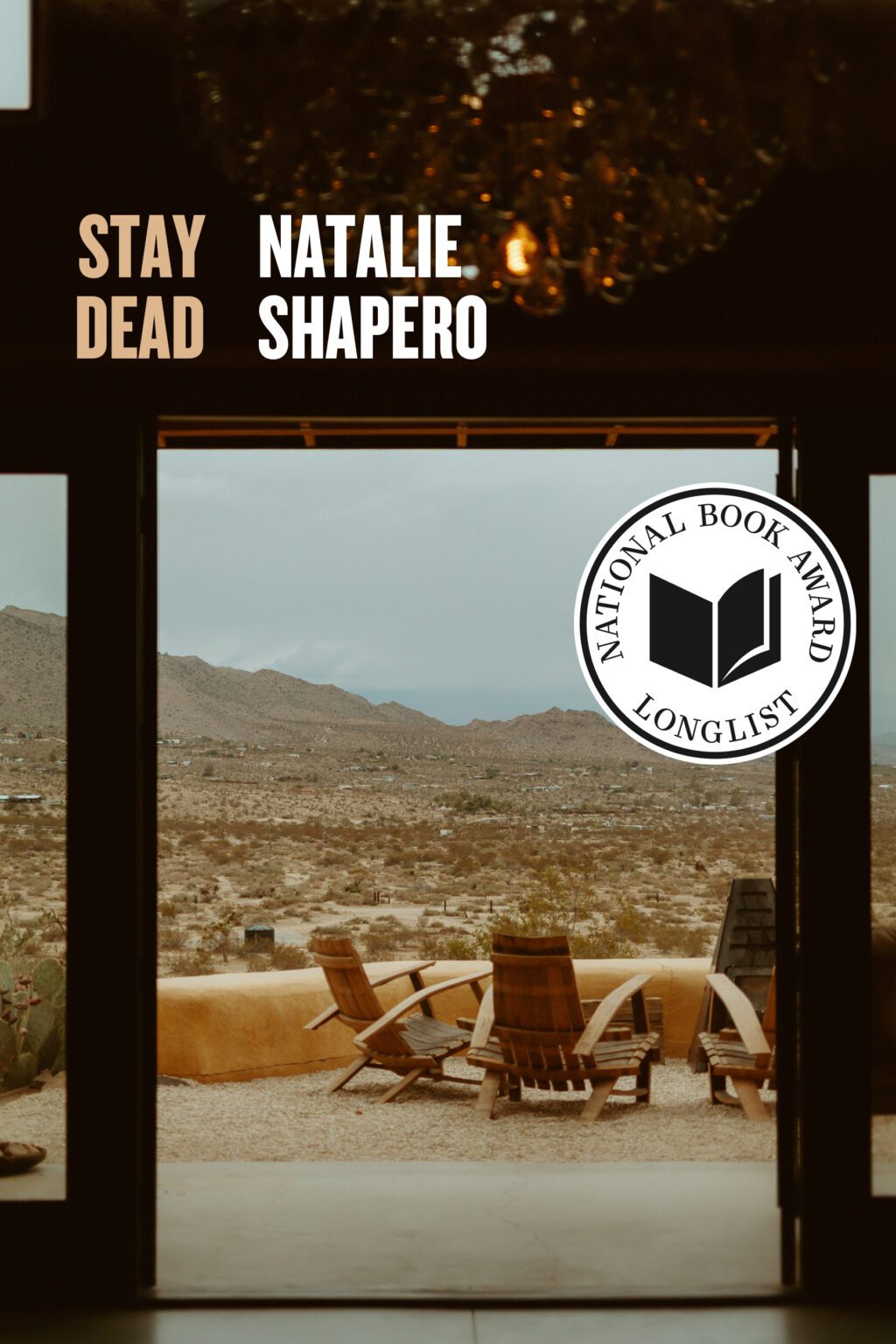
On Natalie Shapero’s “Stay Dead”
In Shapero’s words, “everyone is a worker.” If many of life’s actions are performances done for payment, so that even oxygenation is “a service / the woods provide,” then art forms like acting, painting, and writing are also determined by…
-
The First Book: J Brooke
“The book was always meant as political in its simple existence— the adding my voice to the annals of Trans/Nonbinary collective is an act of anti-erasure. While writing this, though, the incoming administration became even more vile in its attempt…
-
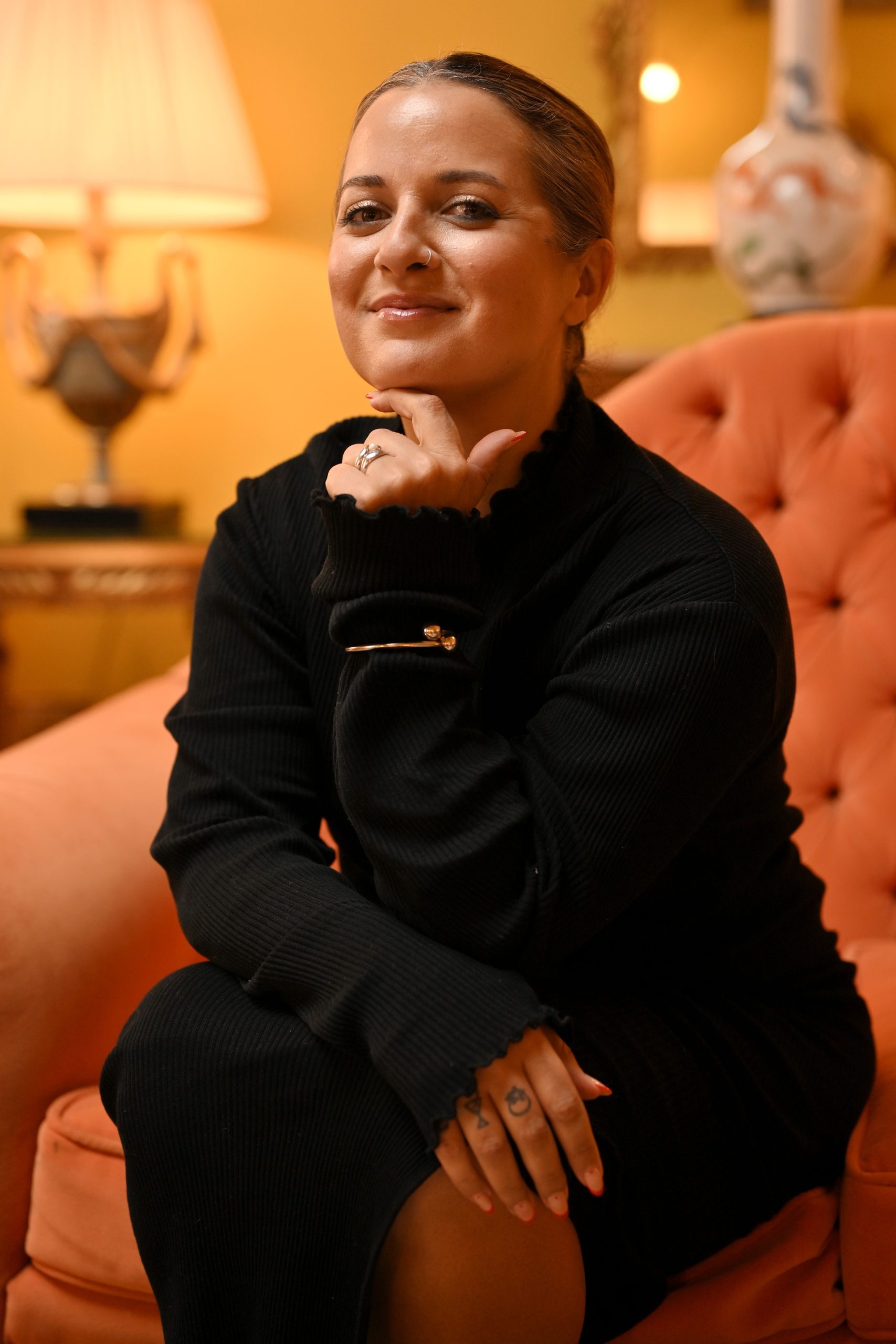
Gendering Food and the Solidarity of Rituals: A Conversation with Alicia Kennedy
“Being rooted in my neighborhood has made my writing better because I listen to other people who aren’t on the internet. I listen to people who have very different perspectives on the world, and sometimes I hate people that I’m…
-

The Timelessness of K-Dramas and Folktales: A Conversation with Jimin Han
“Breaking a big project down into small steps helps. In terms of time, I’m at my best when I write in the morning, first thing, even though it’s hard when there are all the social media notifications and emails to…
-

Underwater, Unbelonging, Unknowing: A Conversation with Erin L. McCoy
“Genre could be said to be another bubble—another set of laws that preclude us from participating in anything outside them. As I was writing the book, I did my best to pretend that there were no walls pinning me in—beyond…
-
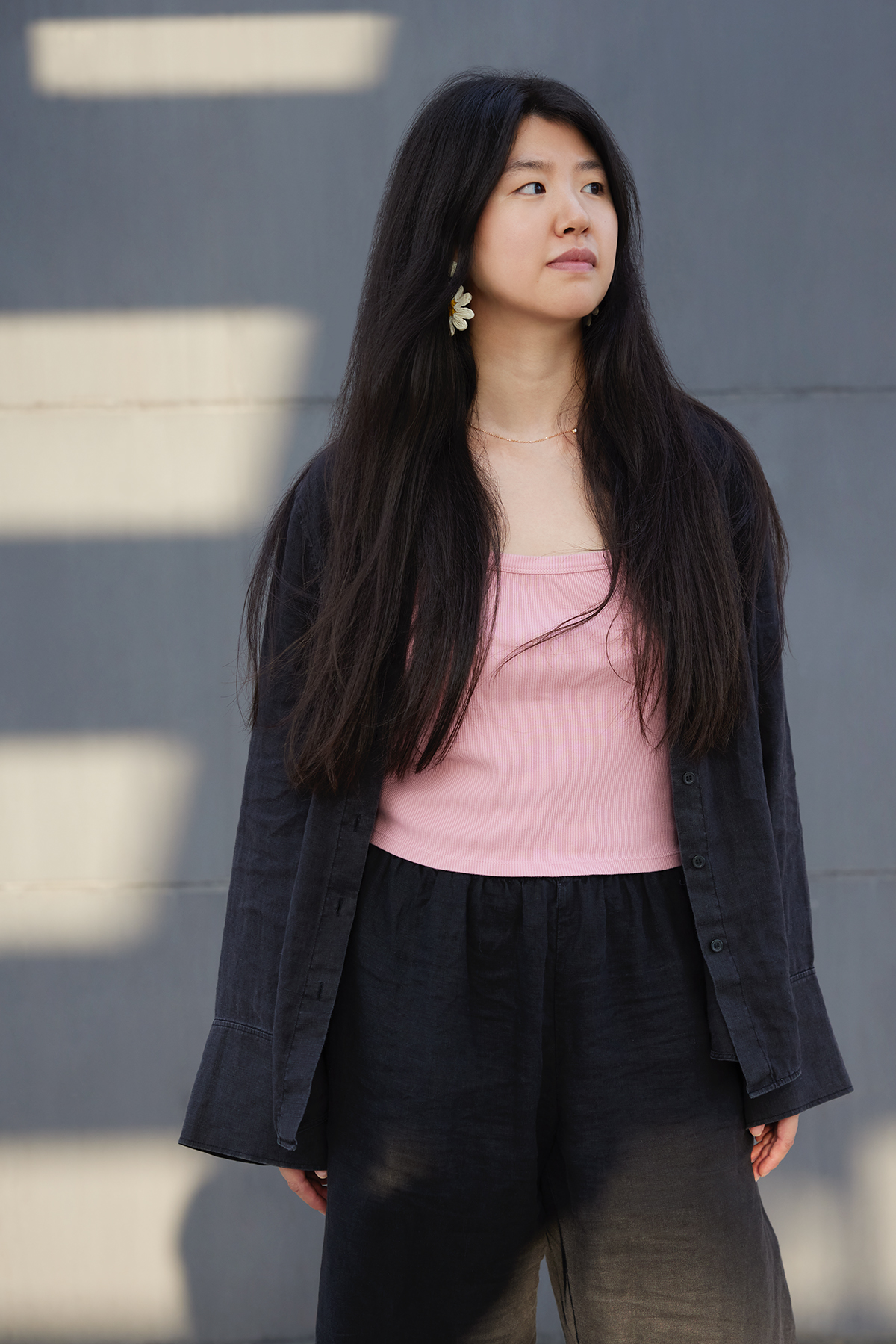
Writing from the Chinese Diaspora and Against Self-Censorship: A Conversation with M Lin
“I have self-censored in the sense that, once, when I knew a story was to be published, I took out a few overtly explicit name-callings. I believe the story was actually better for it—sometimes leaving something unsaid has a chilling,…