latest
-
The Crumbling of a Porous Life: A Conversation With Naeem Murr
“For a character to really come to life on the page they have to retain a kind of mystery for you as a writer. Of course, there are some characters who are much more flat, who are comic, or just…
-
Lunatics in America
Though La Niña always giggled at the word, enchanted by its rhythm, it didn’t take long for her to understand: not everything in America was wonderful. Mami had made sure of that—warning her about guns, about the way even little…
-
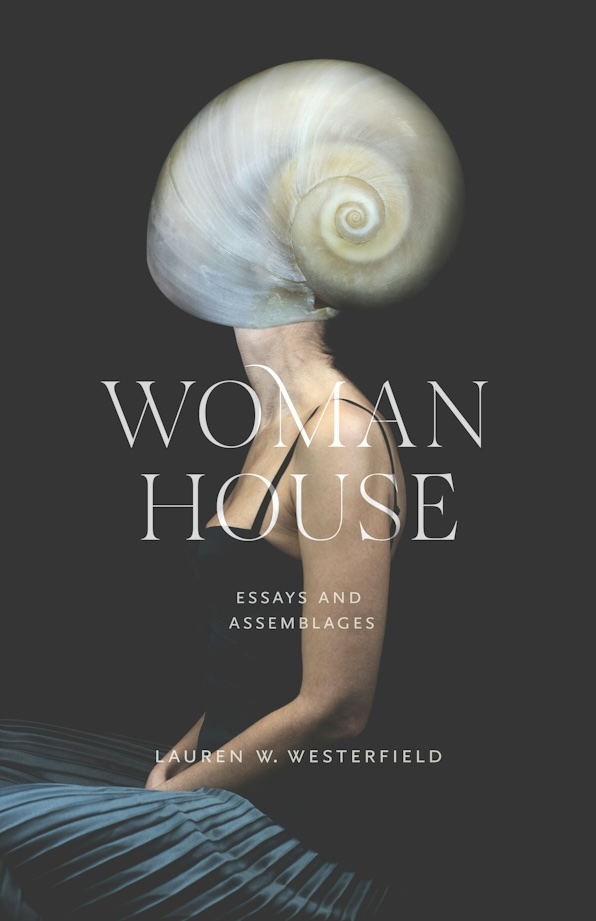
Seeking a Way In: :Woman House: Essays and Assemblages” by Lauren W. Westerfield
..the way virginity becomes larger than itself, something that marks the women who bear it as a kind of prey.
-
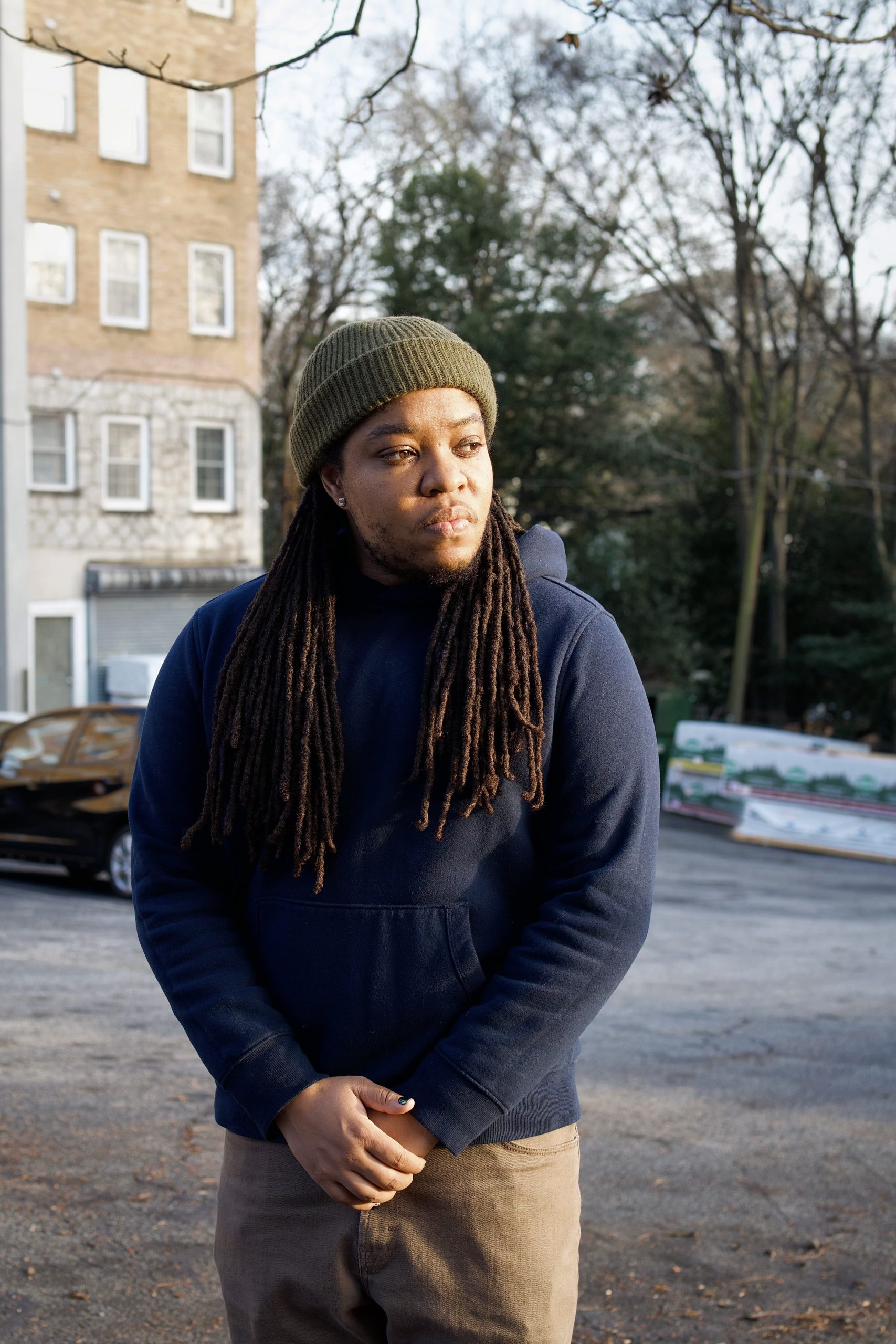
Soulmate as Solidarity: A Conversation with Kelsey L. Smoot
“Blackness and queerness and masculinity are cultural artifacts that we teach each other and that evolve over time. They’re incredibly hard to pin down. Poetry allows you to blow language open and think in terms that are so much less…
-
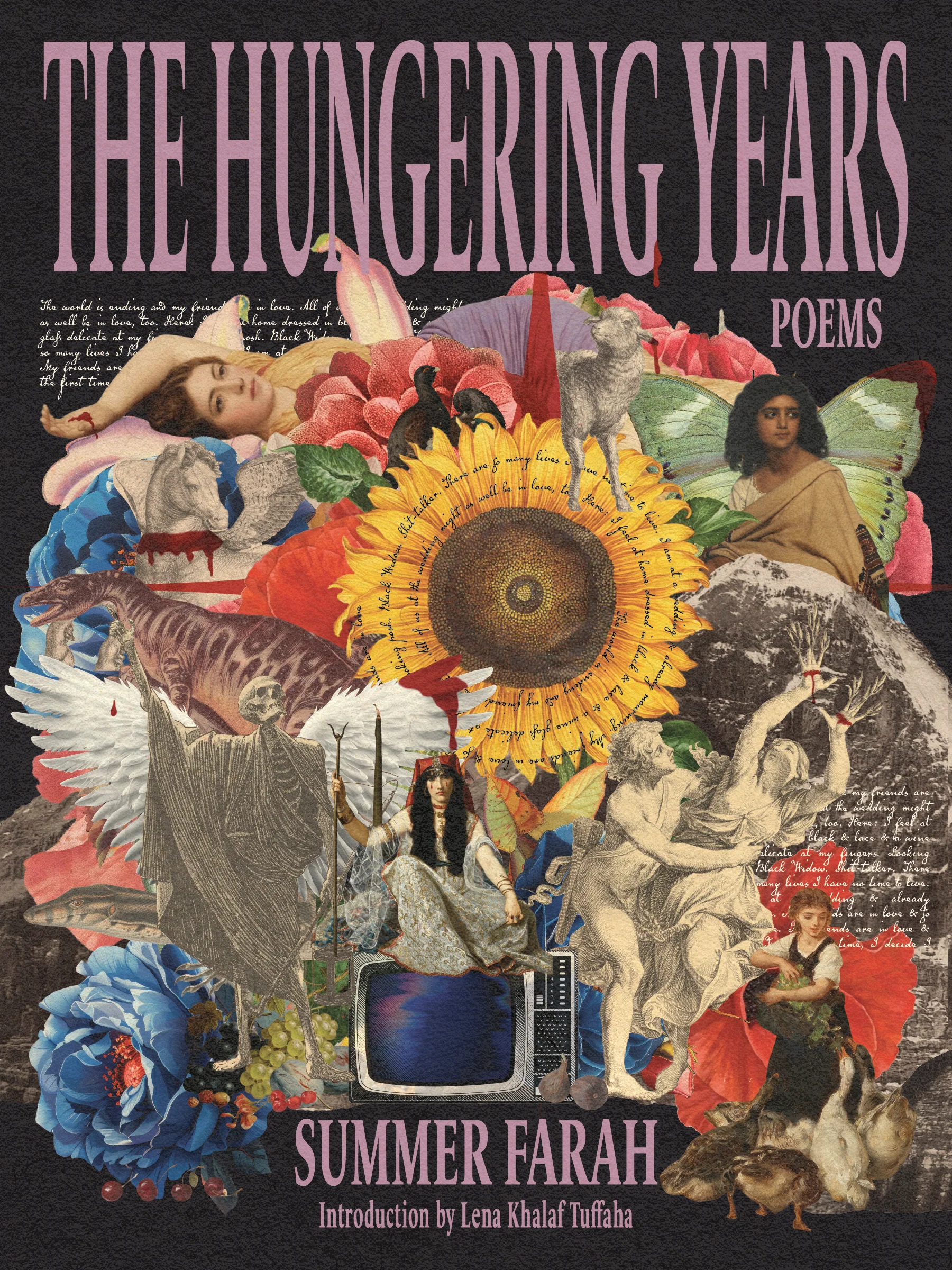
“a desire, a desire”: Appetite & Obsession in Summer Farah’s “The Hungering Years”
This repetition evokes an incantation, signaling the recursive and often reverent nature of the speaker’s desire. For Farah’s speaker—and for many living in diaspora—longing is an ongoing ritual, an inheritance. Ending the poem with a comma, Farah leaves the reader…
-

To My Date at Wonder Bar
“I don’t know how to capture my curiosity about forms of relationality that defy familiar, ossified shapes when I don’t even have the language for fluidity. How can I name the intimacies on which I don’t want to slap the…
-

Saibin (the Visitation of Our Lady)
Our Lady’s journey began, as it did each year—even in our time—at the chapel of our village of Arossim, and would move from there to each house in the village. Our Lady was encased in a tiny wooden chamber, for…
-
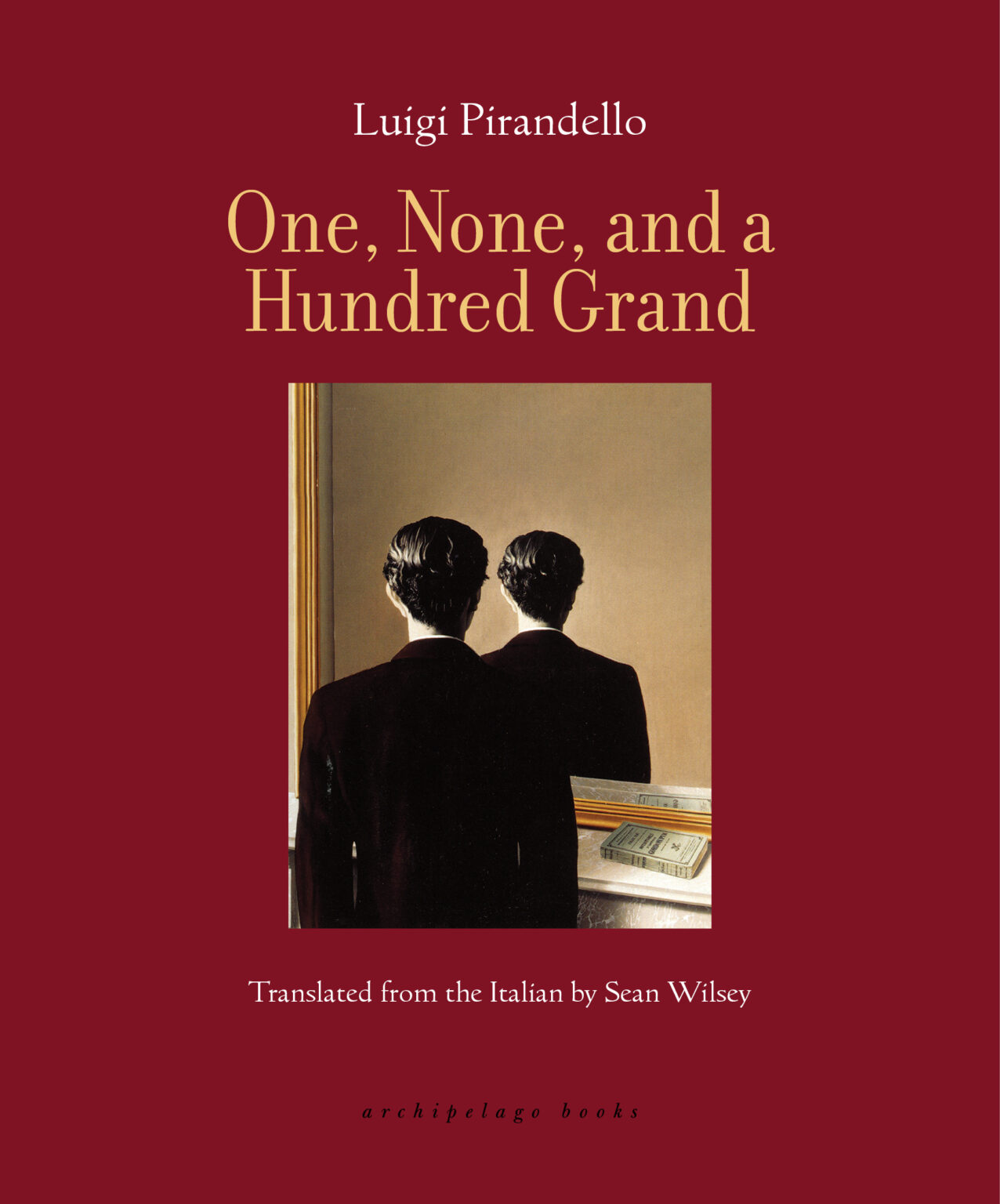
With Both Anxiety & Self-Importance: The Lasting Resonance of “One, None, and a Hundred Grand”
Contemporary readers can relate to Vitangelo, as social media seems designed to focus on what others think of us.
-
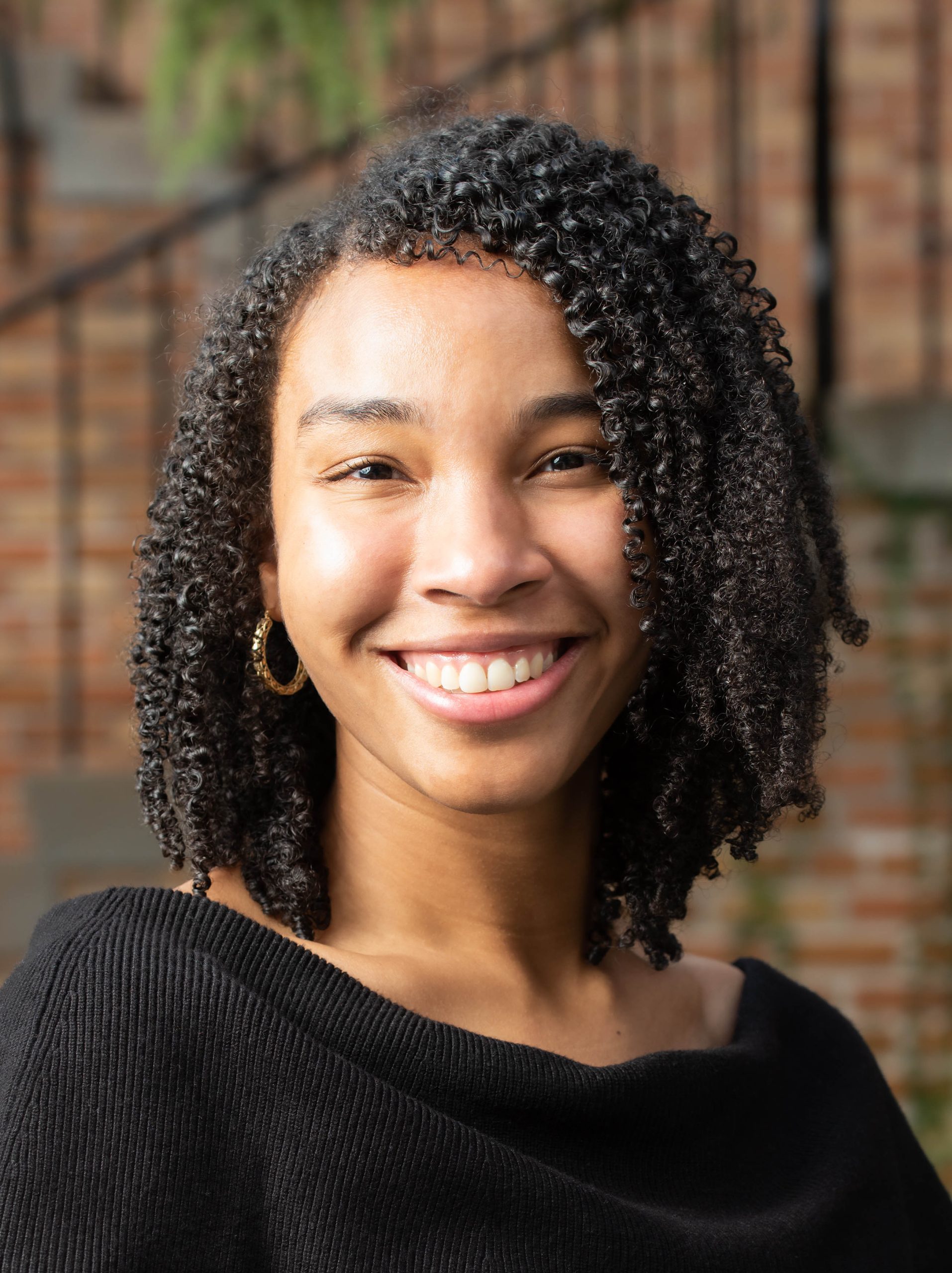
The First Book: Carrie R. Moore
“I’m writing for readers who love emotional resonance. I’m not writing to teach anyone anything about race or history; instead, my book is for readers who want to see Black people living their lives. My ideal readers can also make…
-
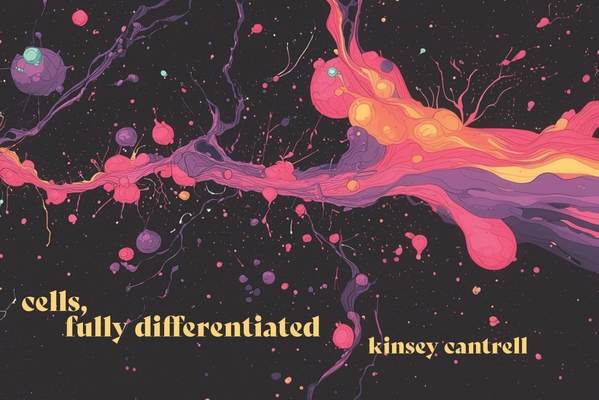
A Cacophony of Crowns: “cells, fully differentiated” by Kinsey Cantrell
Before venturing into Cantrell’s poetic narrative, the 9×7-inch poetic design of the collection presents symmetrical squared concrete poems encouraging disarray to the reading experience. Where one’s reading experience may take place traditionally across the page from left to right, the…
-
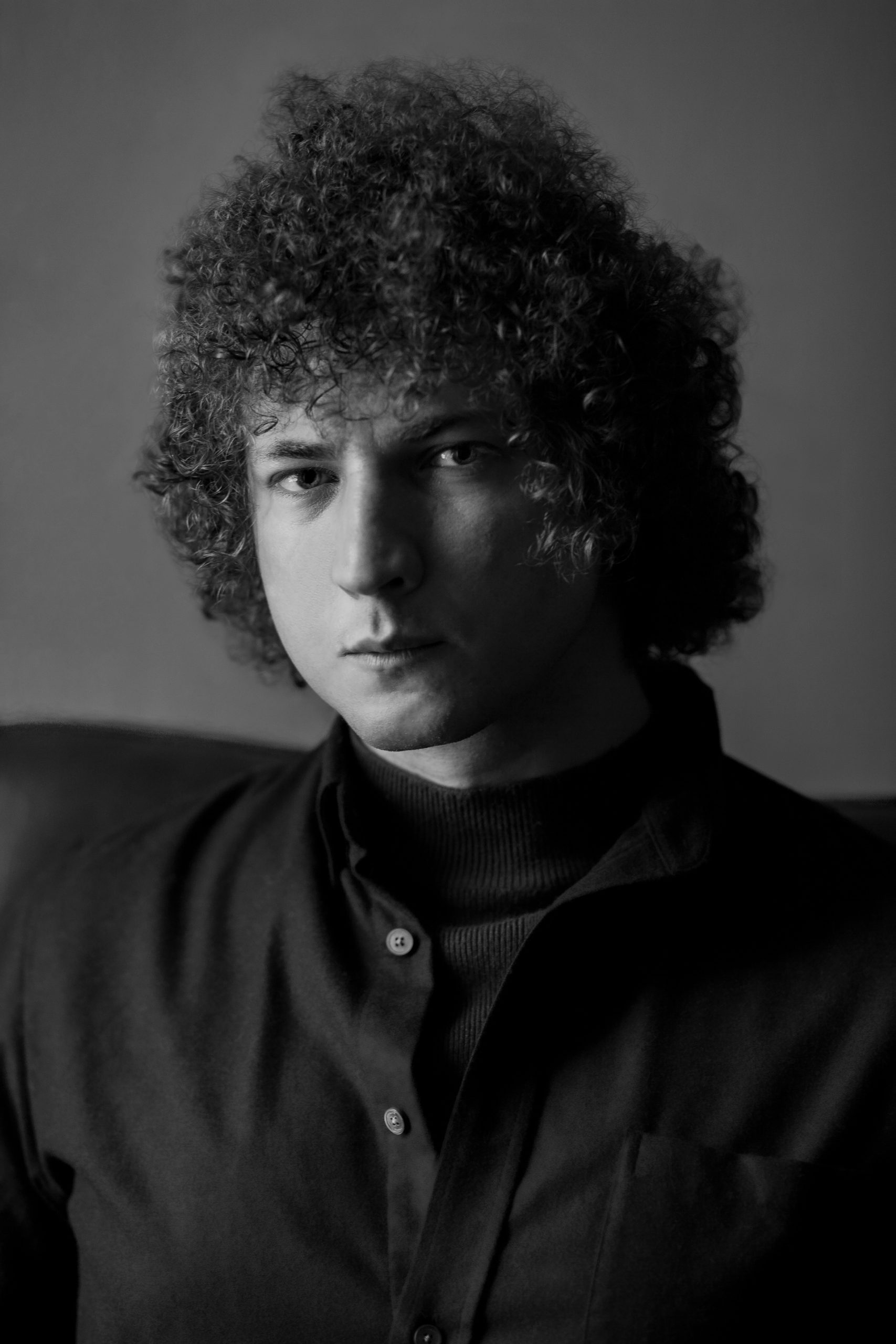
The First Book: Sam Sussman
“It’s easy to think that when writing from life, the story is intuitive. That was not my experience. Life is not literature. I had to look carefully at what I had written and ask, “Am I writing this because it…