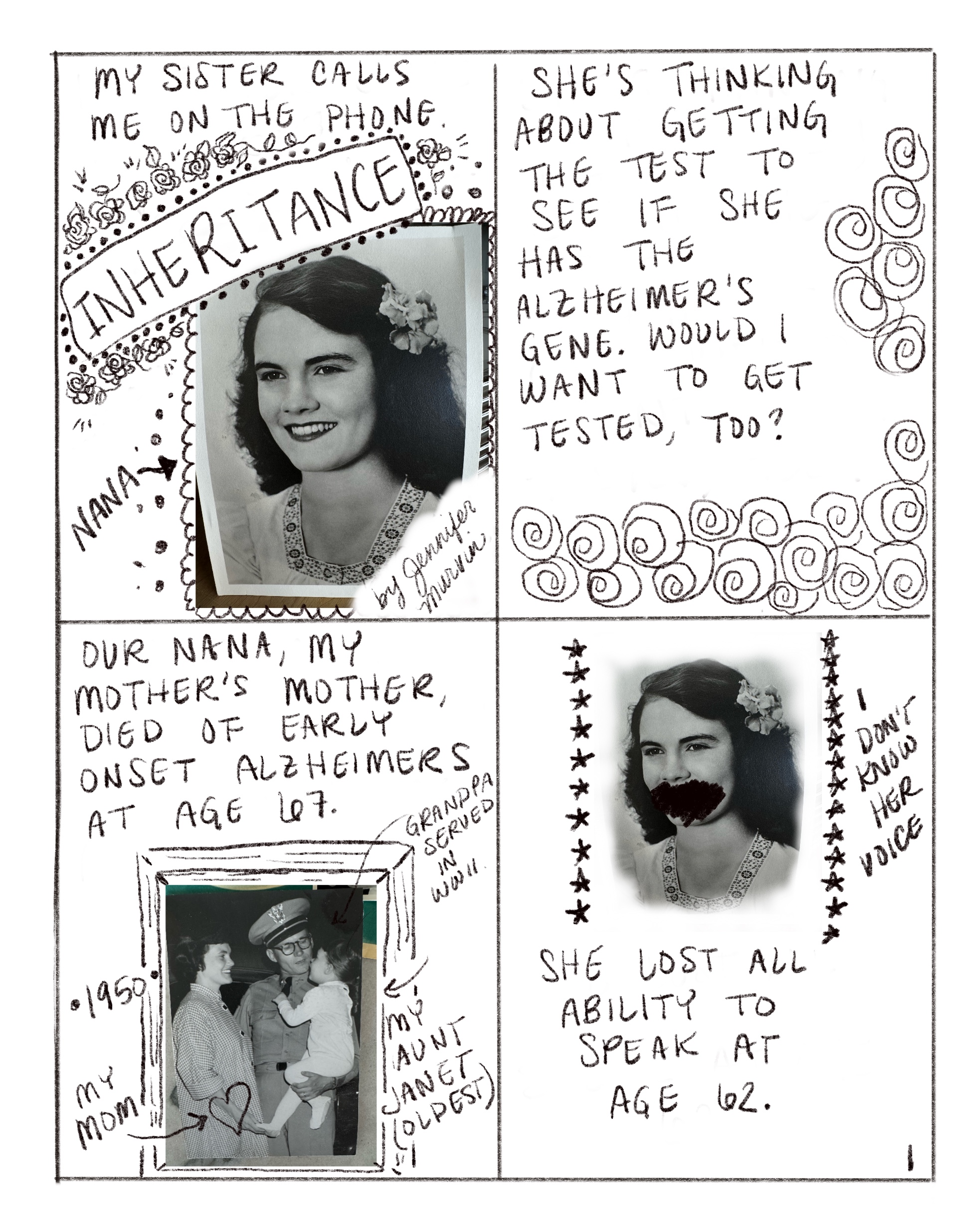

As our “What is freedom?” initiative comes to a close, we at The Rumpus wanted to look back at the thought-provoking range of responses we received. When we sent our prompt to this group of talented writers, thinkers, and artists with no parameters or requirements, we hoped to inspire creative and compelling answers, offered in whatever format each responder saw fit. To dictate or control how someone communicated their understanding of freedom would be ironic and short-sighted. As a result, freedom was expressed through bird collages and short films, historical lessons and musings on cats.
Considering all these responses as a whole, we behold not a uniform understanding of freedom, but an expansive one, these many tendrils of potentiality and possibility. Freedom is a slippery concept, especially now. Definitions contradict each other, and yet each rings true. Freedom can offer permission, “to no longer consider the consequences of [your] body and skin and hair and tongue” or even an opportunity to“laugh at yourself” and let go. In an ideal world, you are, as Shirley Manson put it, simply “free to be.”
But this permission, at times, this ability to live without judging oneself, exists alongside a vision of freedom defined by conscious effort, by keen awareness, by solidarity, by struggle—whether the fight for Palestinian sovereignty, as noted by Eileen Myles, or a call toward responsibility, or the refusal “to crumple under a snooty nose or crooked law,” or the “recognition, access, support, communication” needed to dismantle structural inequities.
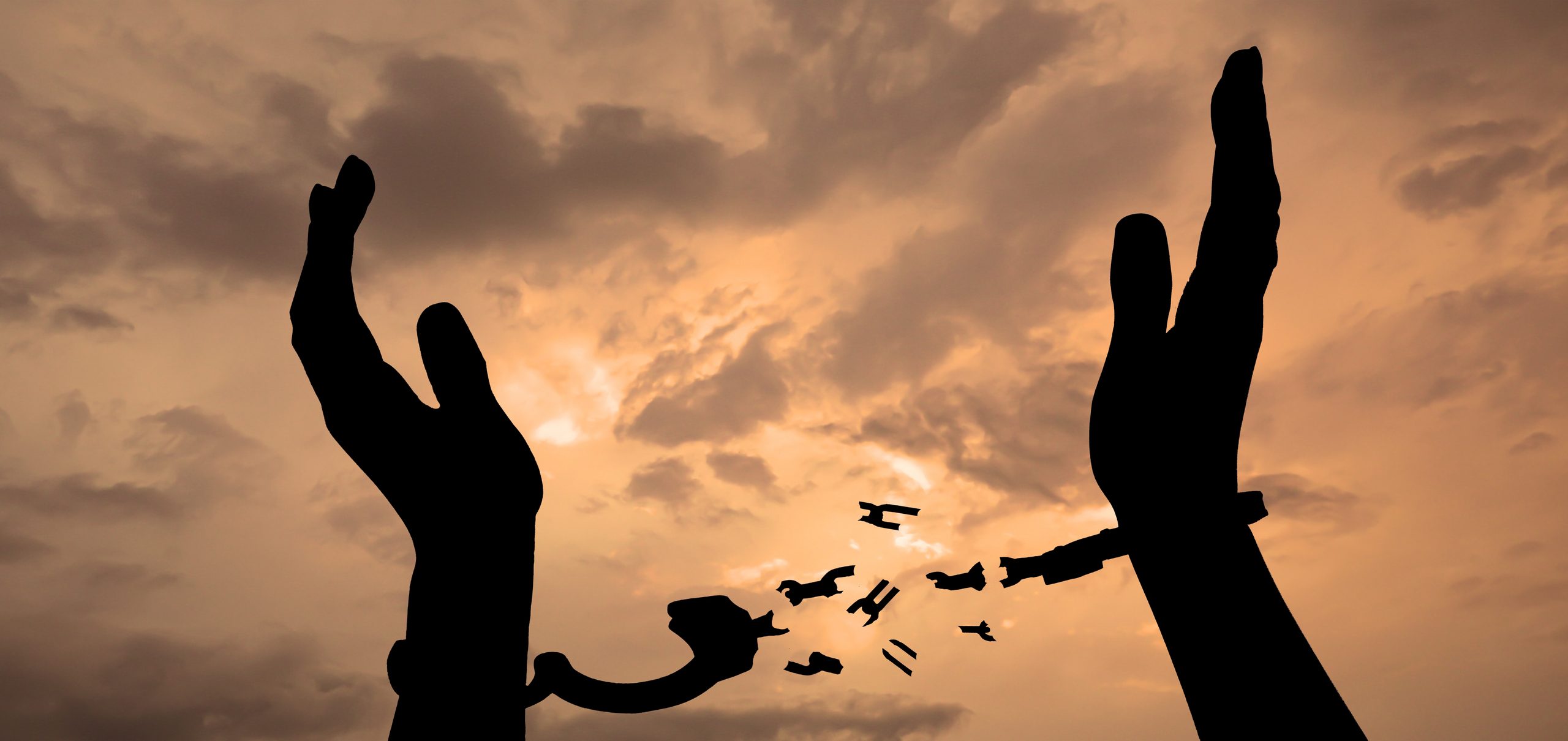
Freedom is a product of hard work, earned and fought for, but freedom is also, at times, depicted as levity—birds soaring, the open air, the winds of change. In the visual responses we received, there is a critique of star-spangled brands like Freedom Gutters LLC). We also see lesbian lovers locked in each other’s arms, a necessary reminder of how freedom, for some of us, is a more recent privilege than for others. We also see a distraught Statue of Liberty, the American flag collaged with references to Kerry James Marshall and liquor stores, a broken handcuff. Convention is inverted, each image a reframing of the patriarchal, fascistic language of white Christian nationalism and patriotism that defined Trump’s widely panned Fourth of July of celebrations.
In a moment where even birthright citizenship, one of this nation’s most sacred principles, is under threat, what can we learn about the United States? Christina Sharpe begins with an analysis of Frederick Douglass’s “What To the Slave is the Fourth of July?” and finds that this 174-year-old speech aptly speaks to our current moment: “There is not a nation on the earth guilty of practices, more shocking and bloody, than are the people of these United States, at this very hour.” Sharpe sees the necessity of both comprehending “the full brutality of what we are living at this very hour and to be able to imagine and risk other ways of being, together, on this planet.” We must not look away. We must bear witness to institutional violence with our own eyes, and imagine and collectively work toward something greater.
In moments of despair, as we know, it is normal to cling to the promise of freedom, a core tenet of this nation, but with increasing disillusionment. Alexander Chee claims that our belief in freedom is the trap of this nation, that “the idea that it could ever live up to its ideals, a carrot held over a bear trap.” And yet, we still believe, and stare longingly at that carrot, seduced by the possibility of what this nation could be. We see dreamers and potential architects of a more perfect union, people continually fighting, carrying forth the hope that someday, we can all be free.
What, really, is the freedom we dream of? Cy Gavin returns to Nina Simone: “Freedom is […] no fear. I mean really no fear.” Gloria Steinem echoes Gavin’s interpretation. For her, “freedom is the ability to express ourselves sincerely without fear of economic or physical retaliation.” Fear and the absence of freedom can become a cage, which was the unfortunate circumstance of Elissa Altman’s grandmother, who loved a lady friend in secret for sixty years, a life only fully honest in private.
Freedom is more than the escape or shelter from persecution. It’s a force with the power to both protect and invite. Nell Irvin Painter defines this as the distinction between “freedom from” and “freedom to.” She says “freedom from” still needs work, that we are vulnerable, that a government that claims to protect its citizens is attacking the nation from within.
Lynne Tillman calls that same distinction “negative liberty” and “positive liberty.” Positive liberty, a place of self-determination, is where so many of these fantastic artists reside. For some, it’s that rare moment where financial freedom and inspiration intersect. Others look at ecology, this “collaborative world where each element leans and relies on the other in complex ways,” where ecosystems become together. Joan As Police Woman, for instance, becomes anything and everything: “I am the dance floor. / I am the mirrored face of the lake. / I am the ragged end of the abandoned water pipe / buried deep under the ocean where bacteria fuck and socialize.” Her world is a world of accumulation: “We are all one more than anything concrete I say.” Roz Chast, seeks to embrace infinite abundance, making a metaphor of the dizzying amount of choice in a grocery aisle, from space-flavored to dream-flavored to even flavorless sodas. Make your choice(s).
As an electric and enigmatic whole, these many interpretations, definitions, and understandings of freedom are overwhelming, coalescing into a beautiful mosaic of resistance, openness, and self-determination. Freedom, this one word, is saturated with meaning and matter, with history and hope, with fracture and solidarity. As this conversation about freedom continues, we ask all of you the same question with which we started.
What is freedom?