
Recent posts
Rumpus Articles
-
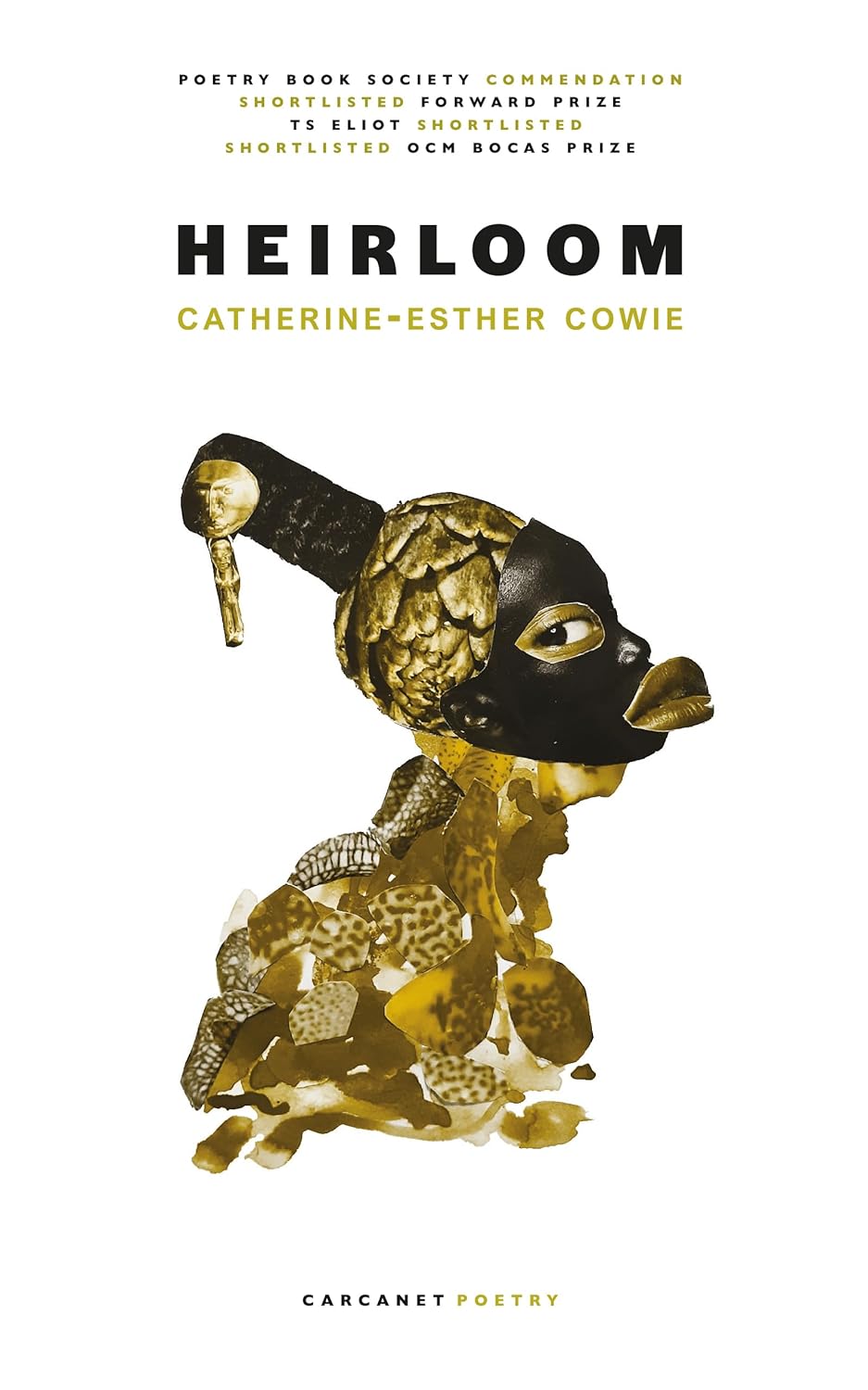
O’ Frankenstein: A Resurrection of Manman and Tifi in Catherine-Esther Cowie’s “Heirloom
We begin to wonder how this past might become vivified in our hands. An heirloom might serve this purpose. Or it should. Is an heirloom not typically an item of great value, cherished and preserved to be passed on to…
-
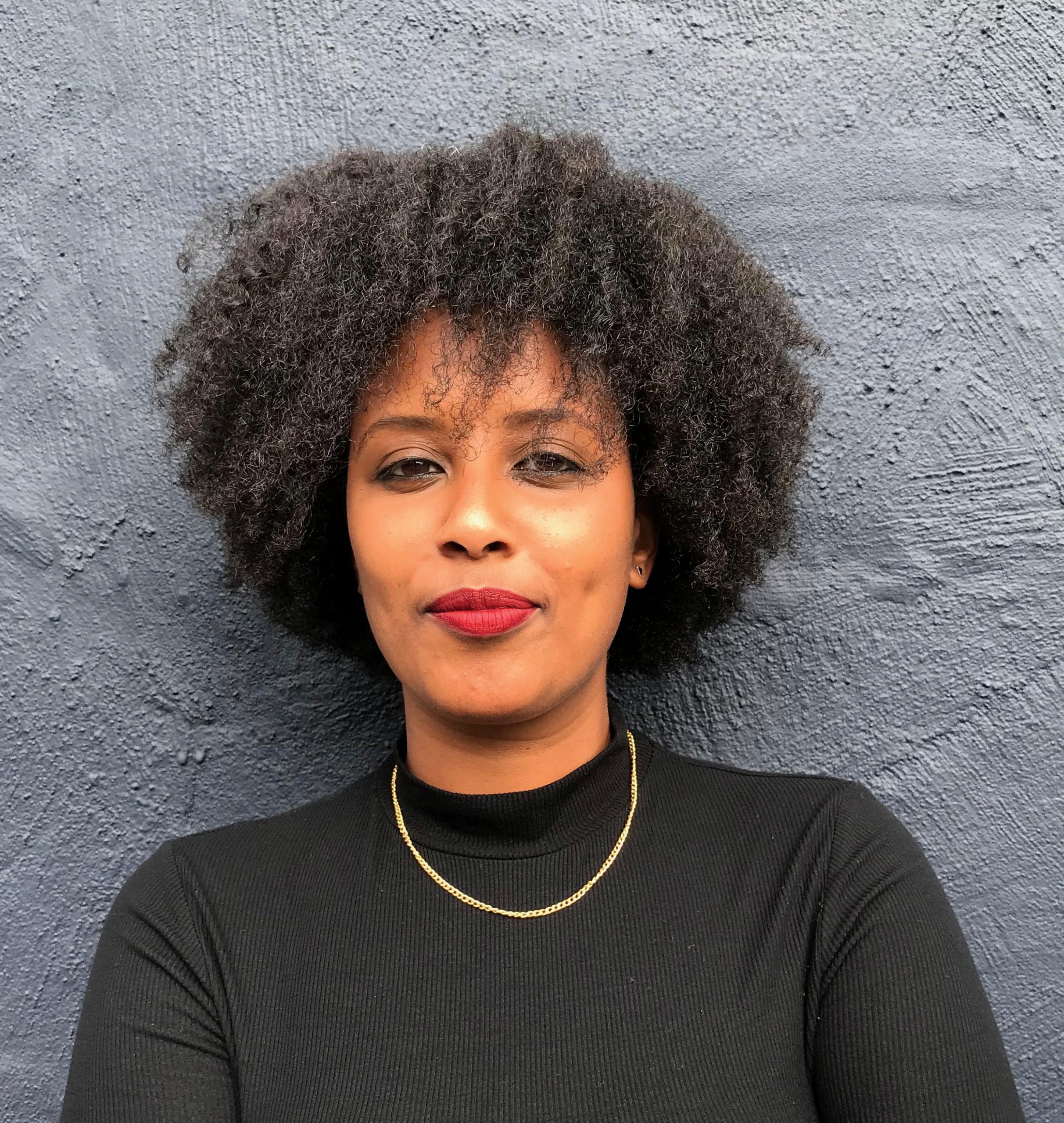
Waiting, Migration, and the Narrators Between: A Conversation with Bsrat Mezghebe
“I generally wrote as if the reader would know what I was talking about. I did not want to be bothered with incredibly long and detailed descriptions of culturally specific food, clothes, events et cetera. I thought it would slow…
-
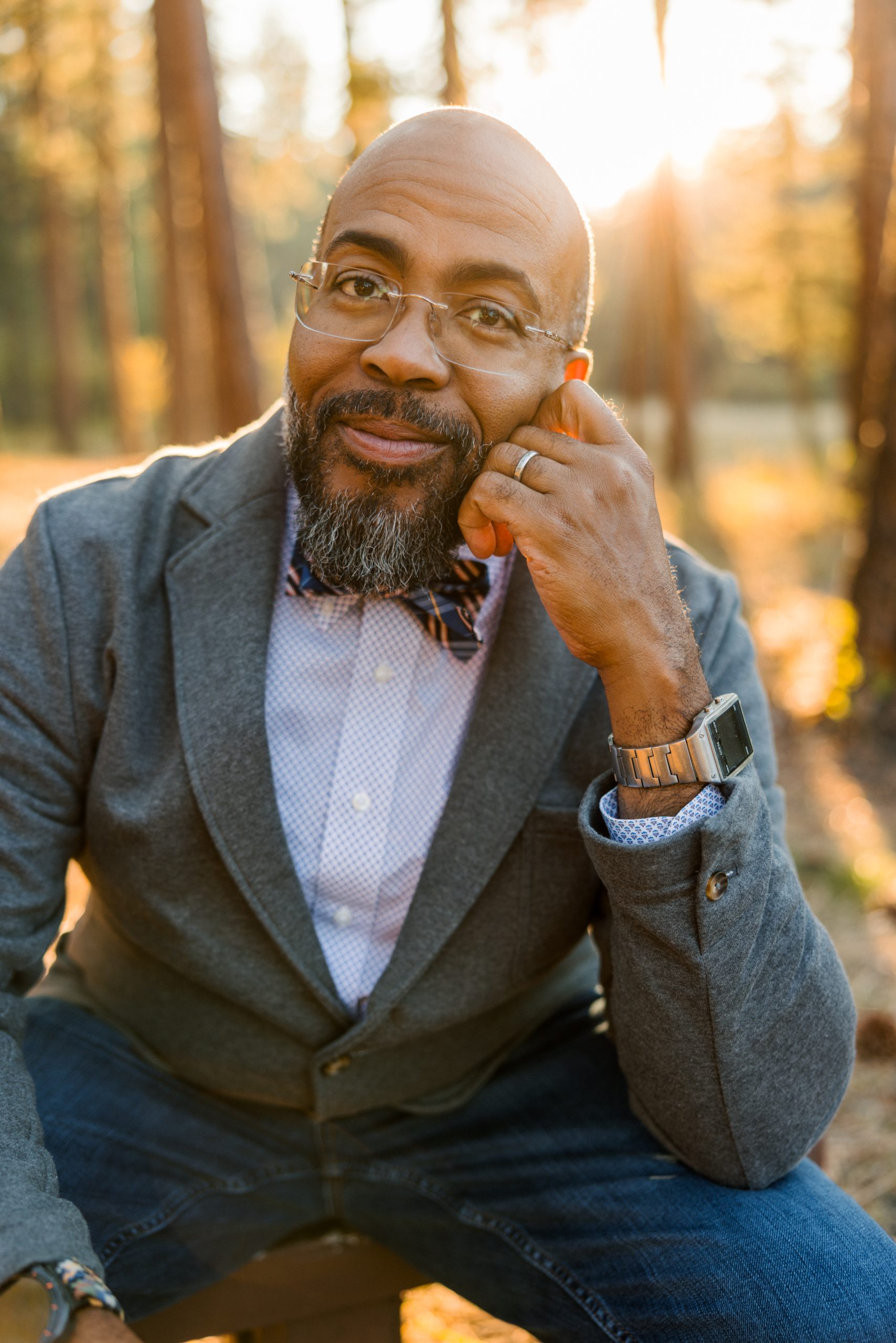
Casting a Wider Lens & Writing about Lived History: A Conversation with Sean Hill
“ I was interested in seeing what I could do with the sonnet and a voice much like my grandmother’s. Being urged to write about the women in my family moved me to write about the people and place I…
-

Men in Black Coats
I probably should have lied and told him it got dangerous. I lived alone. No safety net of a brother or a boyfriend to fall back on if a murderer broke into the building and got past the doorman, past…
-
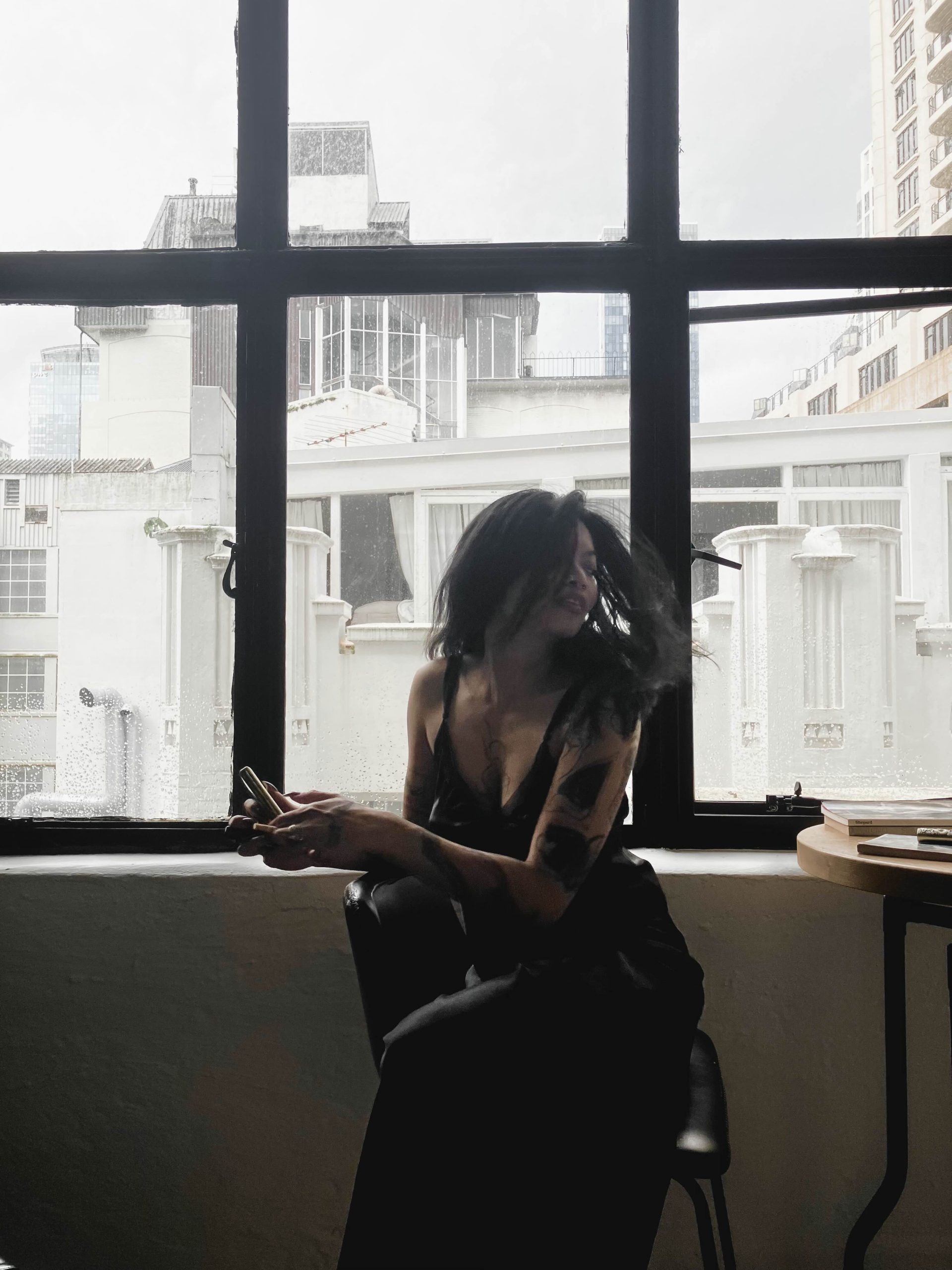
Three Poems
over coffee. At least I’m good at nodding. Fishermen were paid to take the roles of morticians. Instead of shovels, a line and hook. There’s a bay into Manila that every president jones
-

Bouquet of Memoirs: A Conversation with Beth Ann Fennelly
“I know sometimes people find titles by looking at the titles of individual pieces, and they look for the most significant or biggest piece. And in this case, it was actually one of the slightest pieces, but that also seemed…
-
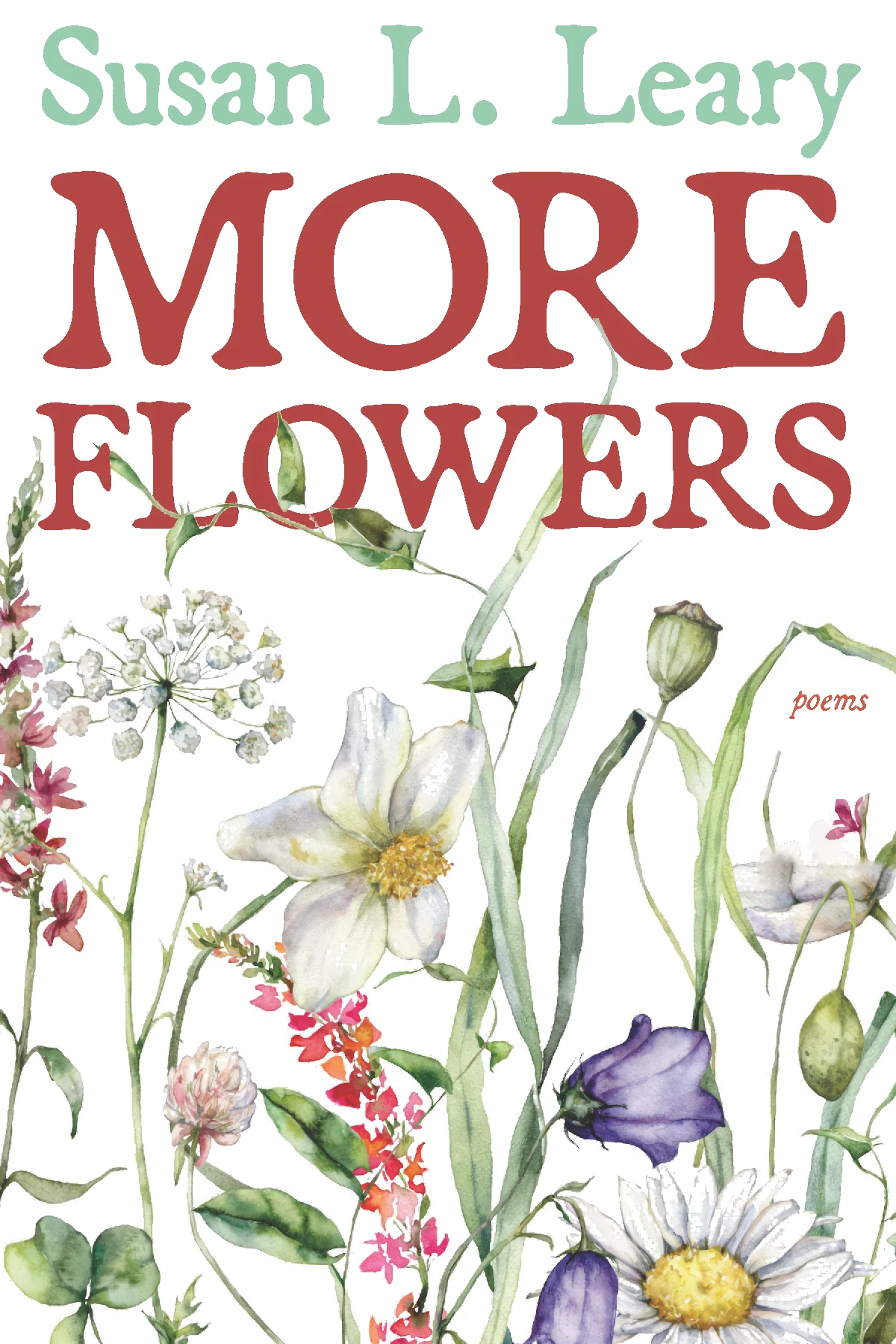
The Taxonomy of Girlhood: Review of Susan L. Leary’s “More Flowers”
More Flowers interrogates how patriarchal authority persists even in its absence, transmitted through maternal caretaking rather than overt dominance. While an authoritative male figure is not present, the mother still governs by his rule, passing down restrictive and traditional expectations…
-
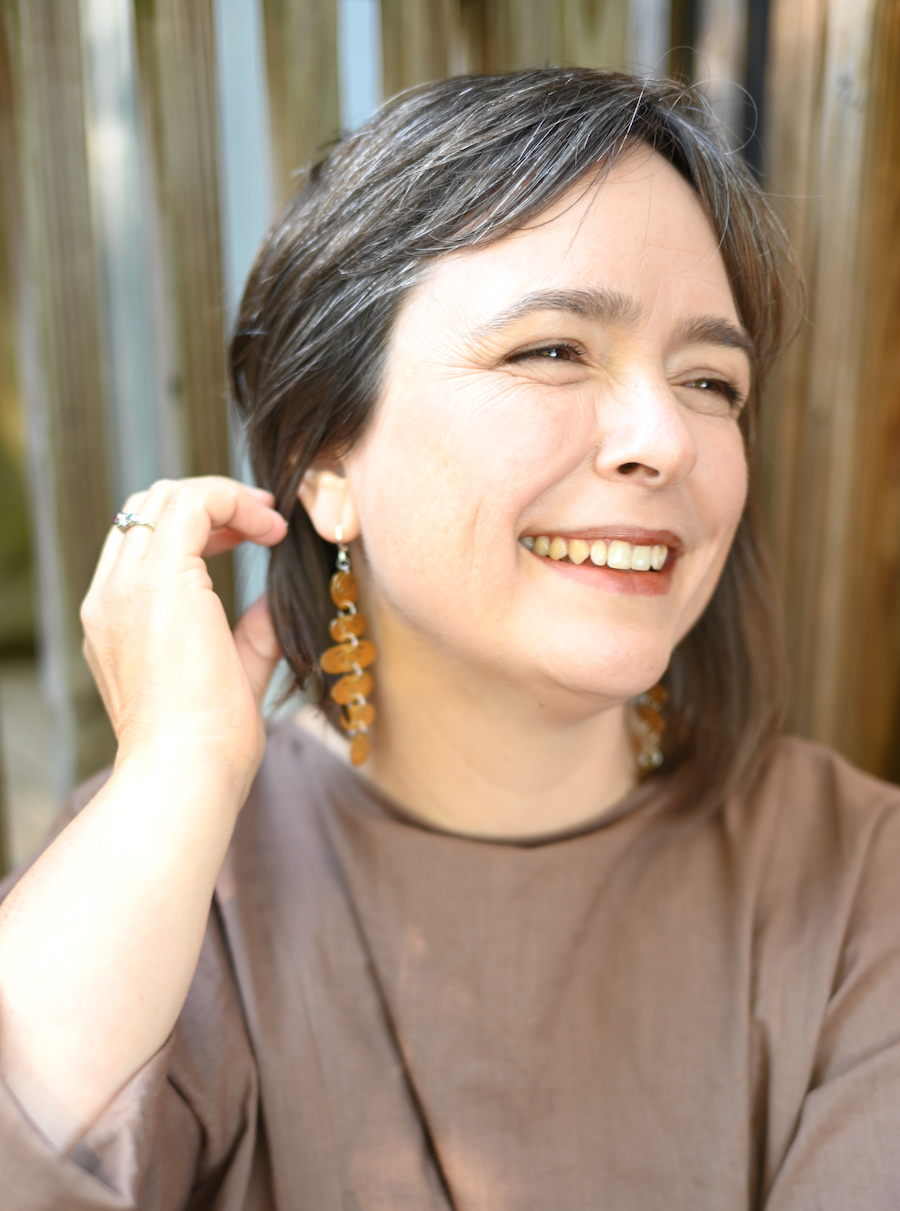
“This Fraught and Gorgeous World”: A Conversation with Anna Lena Phillips Bell
“I’ve always loved the phrase might could—it’s very much part of the vernacular I grew up speaking and hearing. There’s both a sense of hope and a sense of resignation in it. When I was writing what became the book’s…
-

The Call and Response of the Ensemble Novel: A Conversation with Emily Nemens
“I do think a lot about musical structures, and call and response. There is a common source to both writing and music—some of these patterns that we digest and metabolize as musicians about structure and callbacks. I love telling my…
-

Obliteration and Authorship: On Hamid Ismailov’s “We Computers”
Jon-Perse’s vision for computer generated poetry can be summed up as a kind of obliteration of the author.
-
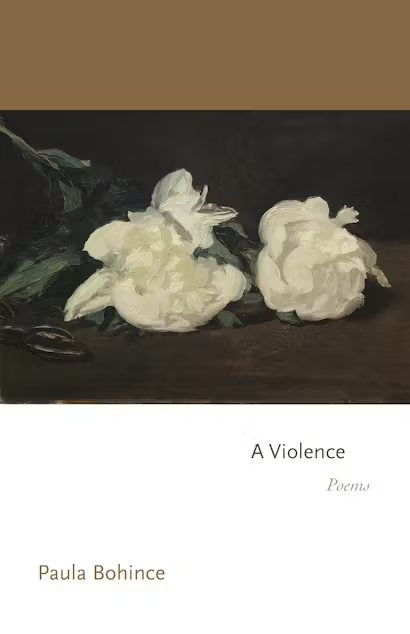
Meaning in the Ice and “A Violence: Poems” by Paula Bohince
Like silence, violence is not quantifiable. Put the indefinite article “a” in front of it and the monolithic world of violence shutters into a reflective surface of infinite, biodiverse fragments. What counts as violence?
